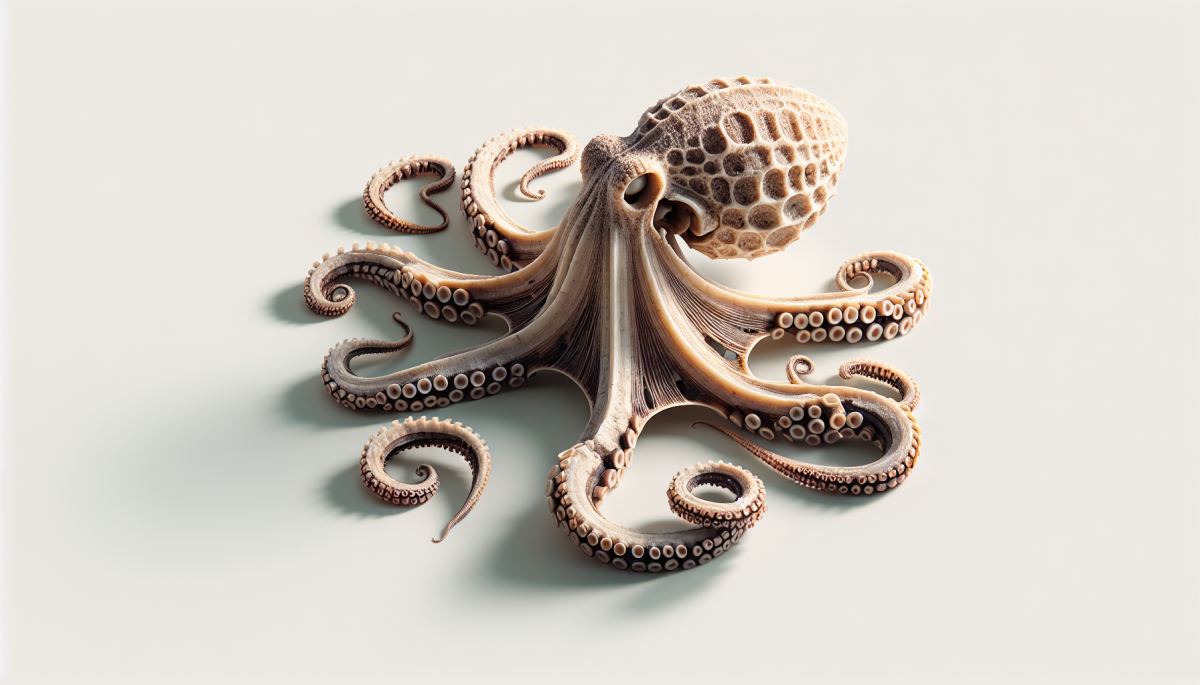
For years, a small, unremarkable fossil sat at the center of a major claim in cephalopod evolution. Discovered and described as the oldest known octopus, it was cited, referenced, and built upon as a foundational data point for understanding how these remarkably intelligent animals came to be. Now, a reexamination has overturned that story entirely, and the implications ripple outward in ways that touch on how paleontology constructs its narratives from fragmentary evidence.
The fossil in question, long held up as the earliest octopus on record, has been reclassified. It is not an octopus at all. Researchers taking a fresh look at the specimen concluded that its defining features, the anatomical markers that originally placed it within the octopus lineage, were either misidentified or misinterpreted. What was once considered a landmark find in the evolutionary record of cephalopods now belongs to a different branch of the tree entirely.
Octopuses are notoriously difficult to fossilize. Their bodies are almost entirely soft tissue, and soft tissue decays rapidly, leaving almost nothing for the geological record to preserve. The rare cases where octopus-like creatures do appear in the fossil record tend to involve extraordinary preservation conditions, the kind that require specific sediment chemistry, rapid burial, and a great deal of luck. This scarcity means that every purported octopus fossil carries enormous interpretive weight. When there are only a handful of candidates across hundreds of millions of years, each one shapes the entire timeline of the group's evolution.
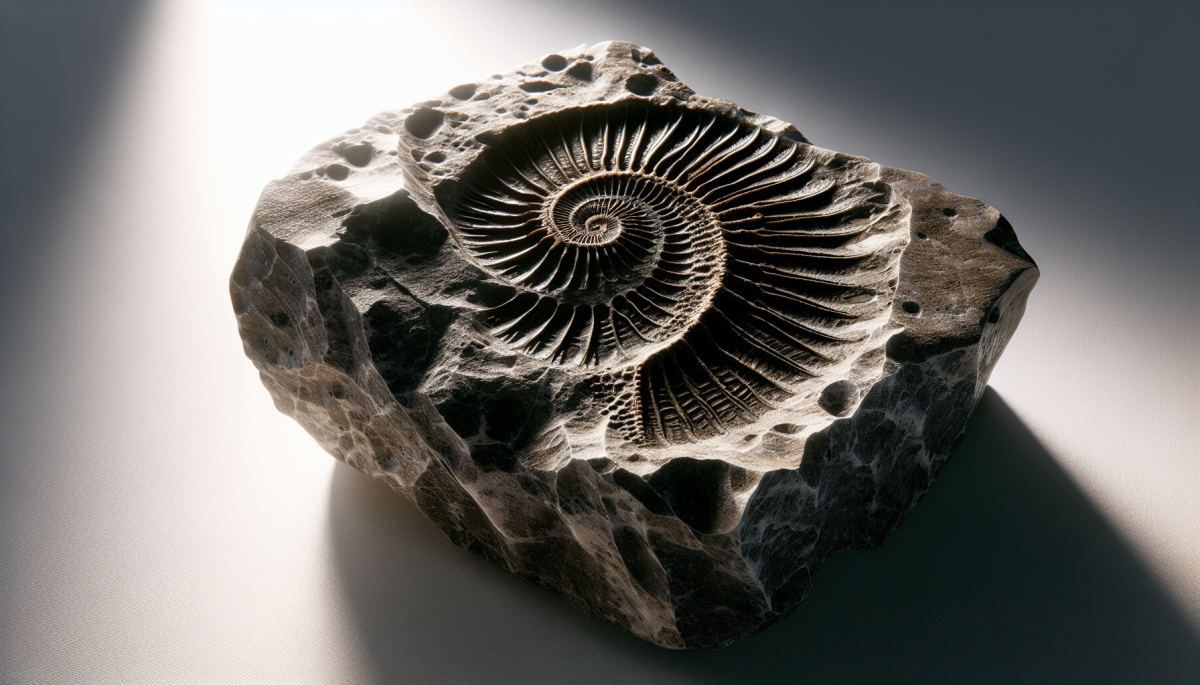
That scarcity is precisely what makes misidentification so consequential. In vertebrate paleontology, where bones and teeth preserve readily and comparisons are abundant, a single reclassified specimen rarely reshapes the field. In cephalopod paleontology, it can move the goalposts by tens of millions of years. The reclassification of this fossil does not just remove one data point. It potentially reopens questions about when octopuses first diverged from their relatives, how quickly they diversified, and whether the lineage is older or younger than current models suggest.
The deeper issue here is one of confirmation bias embedded in scientific infrastructure. Once a fossil is described and named, it enters the citation network. Papers reference it, textbooks repeat it, and the claim accretes authority simply through repetition. Challenging a well-established identification requires not just new evidence but the institutional will to revisit something that has already been "settled." The fact that this reexamination happened at all is worth noting as a sign that the field is functioning as it should, but the decades it took to get there are a reminder of how slowly correction can move through scientific literature.
The second-order consequences of this kind of foundational error are subtle but real. Evolutionary biologists who used the original fossil to calibrate molecular clocks, the statistical tools that estimate when lineages diverged based on genetic mutation rates, may need to revisit their timelines. Molecular clock analyses are only as reliable as the fossil calibration points anchoring them. If one of those anchors was misplaced, the downstream estimates shift accordingly, sometimes by significant margins.
There is also a broader lesson here about how scientific communities handle the oldest and rarest specimens. The pressure to identify something as a "first" or an "oldest" is enormous, driven partly by genuine scientific excitement and partly by the realities of academic publishing, where novelty commands attention. A fossil that represents the earliest known example of a major animal group is a headline. A fossil that represents an interesting but ambiguous cephalopod from the Mesozoic is not. That asymmetry in incentives can nudge interpretation, even unconsciously, toward the more dramatic conclusion.
Octopuses themselves, of course, remain as enigmatic as ever. Their intelligence, their distributed nervous systems, their capacity for problem-solving and camouflage have made them one of the most studied and celebrated animals in contemporary biology. Understanding where they came from, and when, matters not just for taxonomy but for the larger question of how complex cognition evolves. The fossil record for cephalopods will continue to be assembled piece by piece, each fragment contested and recontested.
The oldest confirmed octopus fossil is now something else. The search for the real oldest begins again, and this time, researchers may approach the next candidate with a little more productive skepticism.
Discussion (0)
Be the first to comment.
Leave a comment