The luxury electric sedan segment has quietly become one of the most technically competitive arenas in the automotive world, and Mercedes-Benz just raised the stakes. The updated 2027 EQS Sedan arrives looking much like its predecessor on the outside, but underneath that familiar silhouette sits a fundamentally different machine. An 800-volt electrical architecture, a two-speed gearbox, and a revised battery pack targeting roughly 425 miles of range represent the kind of engineering overhaul that rarely gets the attention it deserves when the sheet metal stays largely the same.
The jump to 800-volt architecture is not a minor footnote. Most current EVs, including earlier EQS models, operate on 400-volt systems. Doubling the voltage means the car can accept significantly more power during charging without generating the excess heat that degrades battery cells over time. In practical terms, drivers spend less time at charging stations, and the battery pack ages more gracefully across hundreds of charge cycles. Porsche and Hyundai's Genesis brand pioneered this approach in the premium segment with the Taycan and GV60 respectively, and the efficiency gains have been measurable and real. Mercedes adopting it signals that 800-volt is no longer a differentiator but a baseline expectation for serious long-range luxury EVs.
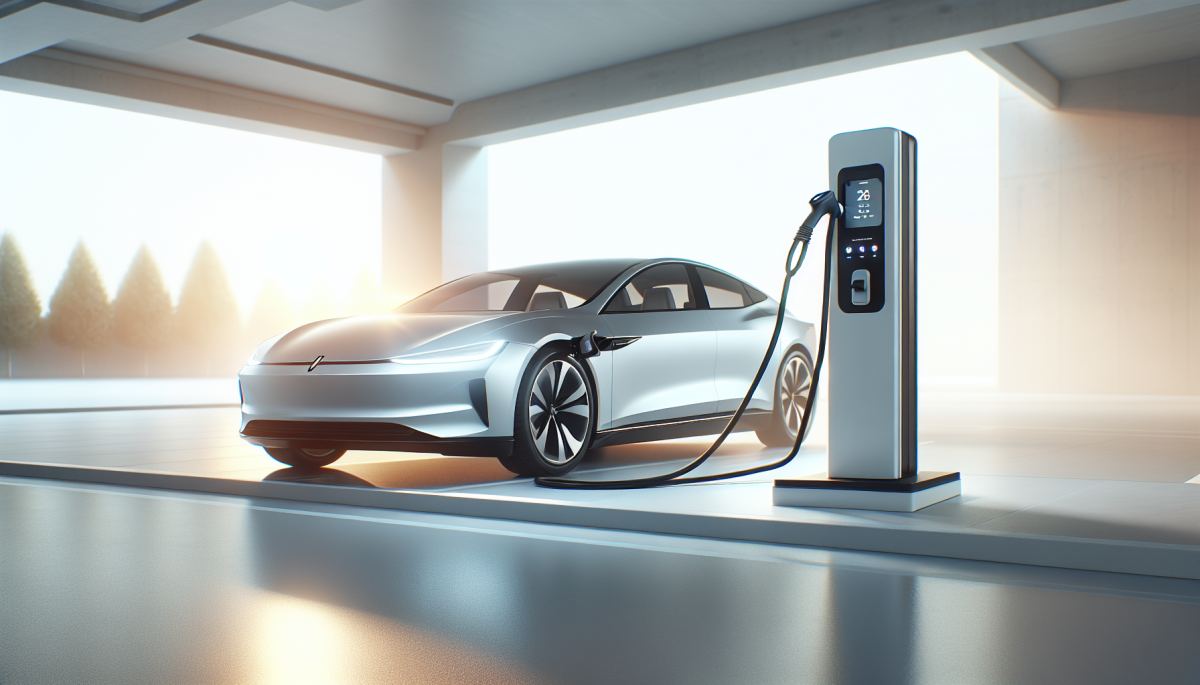
The two-speed gearbox is perhaps the more surprising engineering choice. Electric motors are celebrated precisely because they don't need multi-speed transmissions — their torque curve is flat and immediate across a wide RPM range. Yet a two-speed unit offers a genuine engineering trade-off: a shorter first gear delivers sharper acceleration from a standstill, while a taller second gear allows the motor to operate closer to its efficiency sweet spot at highway speeds. The result is a drivetrain that can be both quicker off the line and more frugal at cruise, which matters enormously when the target range is 425 miles. Porsche used a similar logic with the Taycan's optional two-speed rear axle, and the efficiency data from real-world driving validated the concept.
Four hundred and twenty-five miles is a psychologically significant figure. It clears the threshold that most analysts identify as the point where range anxiety effectively dissolves for the majority of American drivers. The average American drives fewer than 40 miles per day according to Federal Highway Administration data, meaning a 425-mile EV could theoretically go nearly two weeks between charges under typical use. But the more important calculation is road-trip confidence: with 425 miles of range and a fast-charging 800-volt system, a New York to Boston run or a Los Angeles to San Francisco drive becomes genuinely stress-free in a way that 300-mile EVs still are not for many people.
The yoke steering wheel, which Mercedes is apparently adopting for the refreshed EQS, is the detail most likely to generate debate disproportionate to its engineering significance. Tesla's experience with the yoke on the Model S Plaid has been instructive: owners either adapt quickly or find low-speed maneuvering genuinely awkward. Regulators in some markets have raised questions about whether yokes meet traditional safety standards for steering wheel design. Mercedes will need to demonstrate that its implementation, likely paired with variable-ratio steering software, solves the usability problems that have made the yoke controversial rather than simply fashionable.
What Mercedes is doing with the 2027 EQS carries implications well beyond one model refresh. The company is essentially signaling to the broader luxury market that the engineering arms race in EVs is accelerating, not plateauing. BMW, Audi, and Lucid will face pressure to match or exceed the 800-volt, 400-plus-mile combination, and that pressure cascades down to battery suppliers, charging network operators, and even urban parking infrastructure designers who are still largely planning around 400-volt charging assumptions.
There is also a quieter feedback loop worth watching. As flagship EVs like the EQS push range and charging speed higher, consumer expectations for the entire EV category shift upward. A buyer cross-shopping a mainstream EV in 2028 will carry mental benchmarks shaped by what Mercedes and Porsche demonstrated in 2027. That expectation gap could accelerate the obsolescence of current-generation 400-volt mass-market EVs faster than their manufacturers are currently planning for, compressing the window in which those vehicles can be sold at full price without significant incentives.
Mercedes has always used the S-Class and its electric sibling as laboratories for technology that eventually migrates downmarket. If the 800-volt architecture and two-speed gearbox prove themselves in the EQS, expect to see them appear in the EQE and eventually in more affordable Mercedes EVs within a product cycle or two. The 2027 EQS may look familiar, but it is quietly drawing the blueprint for what a competitive electric luxury car will have to be by the end of the decade.
Discussion (0)
Be the first to comment.
Leave a comment