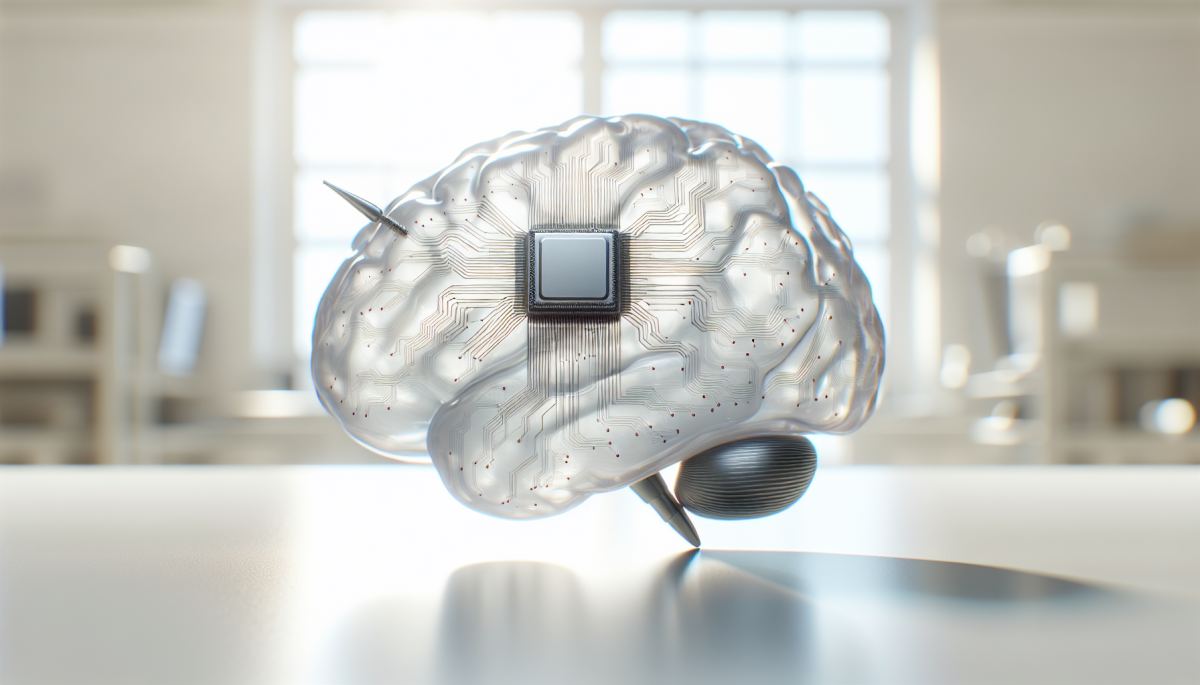
Elon Musk has never been shy about promising the impossible on an aggressive timeline. Rockets were supposed to reach Mars by 2024. Full self-driving was always "next year." And Neuralink, his brain-computer interface company founded in 2016, was going to merge human consciousness with artificial intelligence, cure paralysis, and eventually allow people to summon superhuman cognitive abilities. Nearly a decade later, the gap between that vision and reality is not just wide — it is structurally revealing about how hype cycles interact with the biology of the human brain.
Neuralink's actual record is a study in contrasts. On one side, there are genuine, meaningful milestones: the company's first human patient, Noland Arbaugh, demonstrated in early 2024 that he could control a computer cursor using only his thoughts, a result that drew legitimate praise from neuroscientists. On the other side, the path to that moment was littered with troubling signals. A 2022 Reuters investigation found that Neuralink's animal testing program had resulted in the deaths of roughly 1,500 animals, including sheep, pigs, and monkeys, over several years — a number that drew scrutiny from federal regulators and animal welfare groups. The company also faced a Department of Transportation investigation into the handling of hazardous biological materials. These are not minor footnotes; they are indicators of the pressure-cooker pace at which the company was operating.
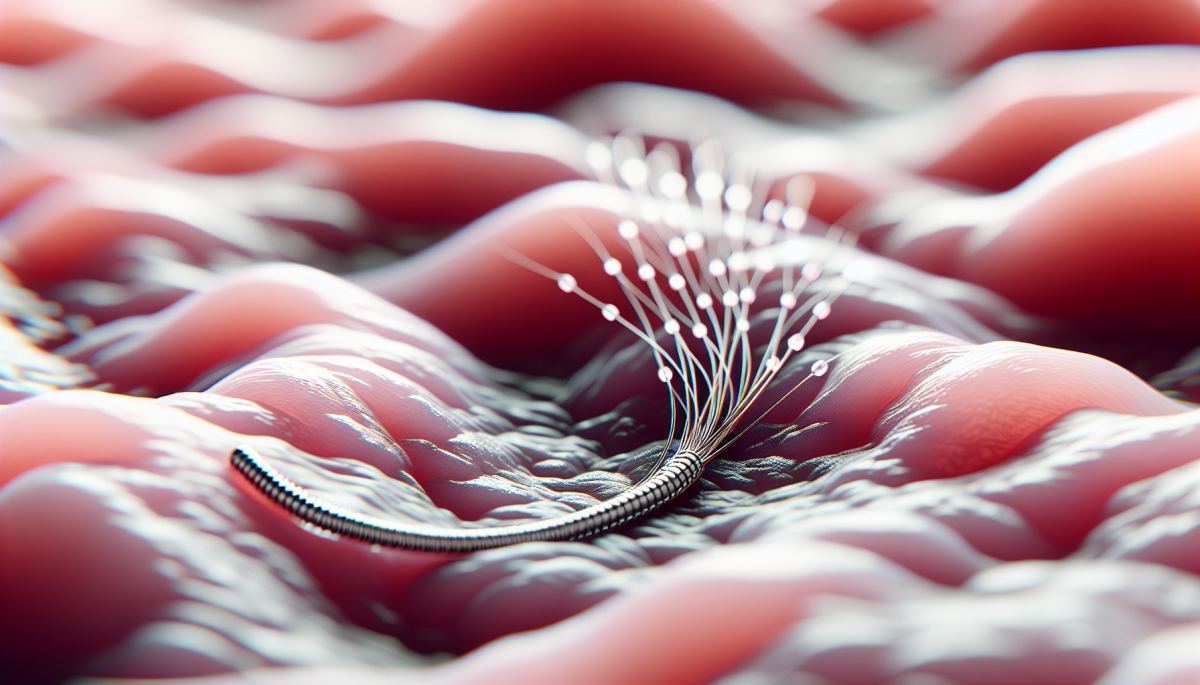
The core problem Neuralink faces is not engineering in the conventional sense. It is neuroscience, and neuroscience operates on timescales and complexity that resist the "iterate fast and ship" philosophy that works well for software. The brain treats implanted electrodes as foreign objects and mounts an immune response that gradually degrades signal quality over time — a phenomenon researchers call "glial scarring." This is not a new discovery; it has been a known limitation in the field for decades. Flexible electrode materials and biocompatible coatings have shown promise in research settings, but none have fully solved the long-term stability problem at scale.
Neuralink's device, called the N1 chip, uses 1,024 electrodes — far more than previous clinical devices like the BrainGate system, which used 96. More electrodes theoretically means richer data and finer motor control. But more electrodes also means more surface area for the brain to react against, and more complex signal processing challenges. Early reports from Arbaugh's implant indicated that some electrode threads had retracted from brain tissue within months, reducing the device's effectiveness. Neuralink confirmed the issue and said it had updated its software to partially compensate. That is a meaningful engineering response, but it also illustrates that the hardware-biology interface remains deeply unsolved.
What makes this more than a story about one company's ambitions is the broader ecosystem effect. Neuralink's visibility has reshaped public expectations for what brain-computer interfaces can and should do. Competitors like Synchron, which uses a less invasive stent-based approach deployed through blood vessels rather than open-skull surgery, have been quietly accumulating clinical data with a more conservative but potentially more scalable method. Precision Neuroscience, founded by a former Neuralink co-founder, is pursuing a thin-film electrode array that sits on the brain's surface rather than penetrating it. These companies benefit from the awareness Musk generates, but they also inherit the credibility risk when his timelines collapse.
There is a systems-level consequence to the hype cycle that rarely gets discussed: regulatory and public trust erosion. The FDA granted Neuralink Breakthrough Device designation and approved its first human trial in 2023, a process that took longer than Musk publicly suggested it should — he accused the agency of moving too slowly. But regulatory caution in neurotechnology is not bureaucratic inertia. It reflects hard lessons from the history of medical devices, where premature commercialization of implantable technologies has caused lasting harm to patients and set entire fields back by years. If Neuralink's aggressive pace produces a serious adverse event in a human subject, the regulatory environment for all brain-computer interface research could tighten significantly, affecting the more careful players alongside the reckless ones.
The deeper irony is that the genuine use cases for brain-computer interfaces — restoring communication to people with ALS, returning motor function to those with spinal cord injuries — are profoundly important and do not require superhuman framing to be worth pursuing. The science is hard enough without the weight of a civilization-scale promise attached to it. Researchers who have spent careers on neuroprosthetics worry, quietly, that the loudest voice in the room is also the one most likely to make the room harder to work in.
The question worth watching is not whether Neuralink will eventually produce a useful medical device. It probably will. The more consequential question is whether the institutions, regulatory frameworks, and public trust needed to responsibly scale this technology will still be intact when the science is actually ready.
References
- Metz et al. (2024) — Neuralink's First Human Patient Moves a Mouse With His Mind
- Lev et al. (2022) — Neuralink Has Been Killing Lots of Animals in a Race to Beat Competitors
- Synchron (2023) — Synchron Clinical Trial Updates
- Salatino et al. (2017) — Glial Responses to Implanted Electrodes in the Brain
Discussion (0)
Be the first to comment.
Leave a comment