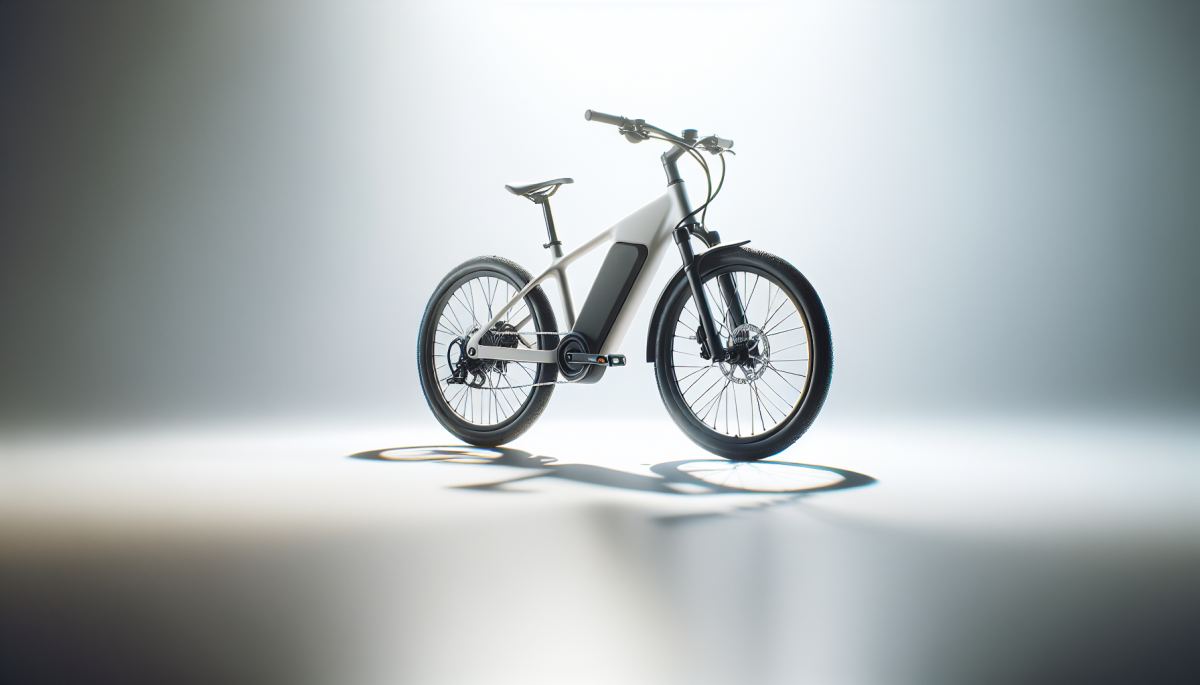
Solid-state batteries have been the holy grail of energy storage for the better part of two decades, promised repeatedly by automakers, startups, and research labs, and delayed just as repeatedly. So when a company claims to have built the world's first electric bike running on actual solid-state cells, the instinct is skepticism. But the details surrounding the Verge TS Pro and its battery partner reveal something more interesting than a press release: a glimpse into the messy, unglamorous reality of bringing next-generation battery chemistry from the lab to the road.
The Verge TS Pro, developed by Finnish motorcycle startup Verge Motorcycles, is being positioned as the fastest-charging electric bike available, powered by solid-state cells from a startup that claims to have cracked a problem that Toyota, QuantumScape, and Solid Power have each spent billions trying to solve. That alone would be remarkable. What makes it stranger, and more telling, is one specific engineering detail that surfaced alongside the announcement: the battery pack uses small PC-style cooling fans to manage heat.
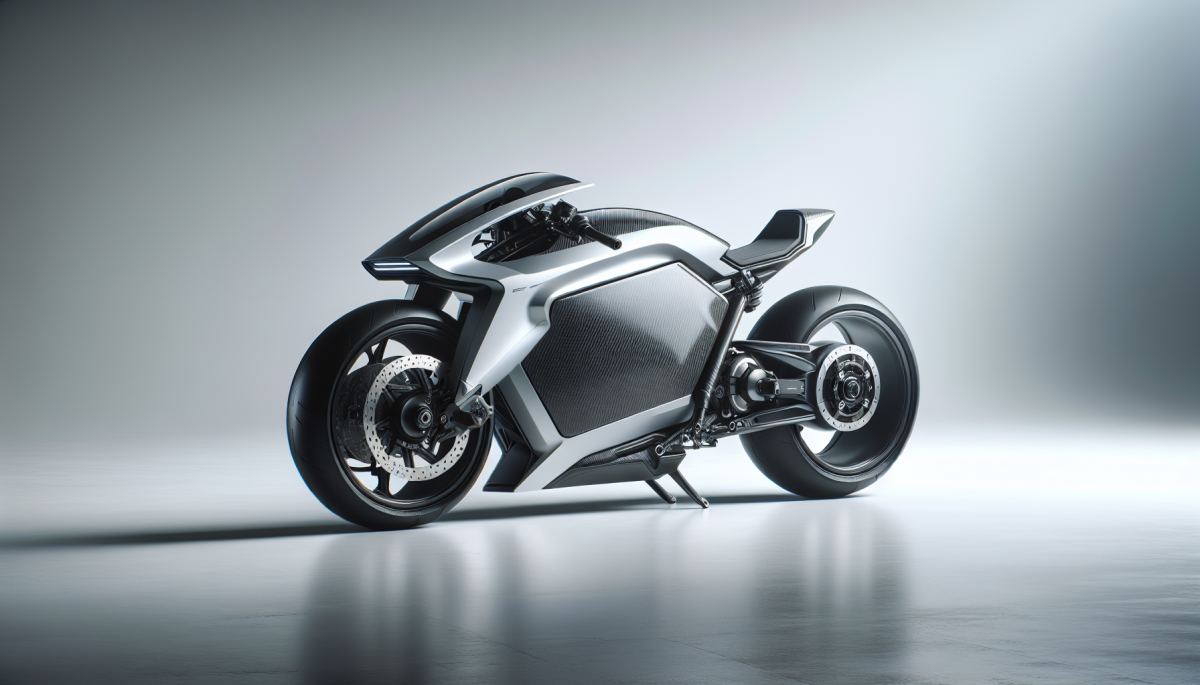
On the surface, that sounds like a footnote. In practice, it is a flashing signal about where solid-state technology actually stands.
One of the central promises of solid-state batteries is that they run cooler and safer than conventional lithium-ion cells, which rely on flammable liquid electrolytes. Solid electrolytes are supposed to be more thermally stable, less prone to the runaway heating events that have caused fires in phones, cars, and scooters. So the presence of active cooling hardware in a solid-state pack raises a legitimate question: how solid-state is this, really?
The honest answer is probably that solid-state is not a binary category. Researchers and engineers have long distinguished between fully solid-state designs and hybrid approaches that use semi-solid or composite electrolytes, which retain some liquid or gel components to improve ion conductivity and interface contact. Many of the "solid-state" batteries closest to commercialization today fall into this hybrid zone. They are meaningfully better than conventional lithium-ion in some respects, but they are not the room-temperature, zero-thermal-management dream that the term sometimes implies in consumer marketing.
The PC fans, in other words, are not necessarily a sign of failure. They may simply be an honest artifact of where the technology sits on the maturity curve in 2024 and 2025. Fast charging, which the Verge TS Pro emphasizes, generates heat regardless of electrolyte chemistry. Managing that heat with small, lightweight fans rather than a heavy liquid cooling loop is actually a reasonable engineering trade-off for a motorcycle application.
What matters more than the fans themselves is what this product, if it works as described, does to the competitive landscape around it. Electric vehicle manufacturers have been watching solid-state development with a mixture of hope and anxiety. The technology promises higher energy density, faster charging, and longer cycle life, which would allow smaller, lighter packs to deliver the same or better range. For motorcycles and bikes, where weight is especially punishing, that is not a marginal improvement. It is a potential redesign of the entire product category.
If a small Finnish startup genuinely ships a rideable, fast-charging solid-state motorcycle before Toyota or Nissan gets a solid-state car to market, it reshapes the narrative around who wins the battery transition. Startups with lower volume requirements and more tolerance for per-unit cost can serve as proof-of-concept vehicles for chemistry that larger manufacturers cannot yet afford to scale. That is not unlike what early Tesla Roadsters did for lithium-ion in performance vehicles: they demonstrated viability in a niche before the technology cascaded into mass-market products.
The second-order consequence worth watching is supplier dynamics. If solid-state cells become available at even modest commercial scale through partnerships like this one, it accelerates the pressure on established battery manufacturers, particularly in Asia, to move their own solid-state timelines forward or risk losing design wins to newer entrants. A single electric motorcycle is a small data point. But in a market defined by who controls the next generation of cell chemistry, small data points have a way of compounding.
The fans spinning inside that battery pack are not an embarrassment. They are a reminder that technological transitions rarely arrive as cleanly as their press releases suggest, and that the companies willing to ship something real, even imperfect, often define the terms of what comes next.
References
- Irle, R. (2024) — Global EV Sales for 2024
- Placke et al. (2017) — Lithium ion, lithium metal, and alternative rechargeable battery technologies
- QuantumScape Corporation (2023) — Annual Report and Solid-State Battery Development Updates
- Solid Power Inc. (2023) — Solid-State Battery Technology Overview

Discussion (0)
Be the first to comment.
Leave a comment