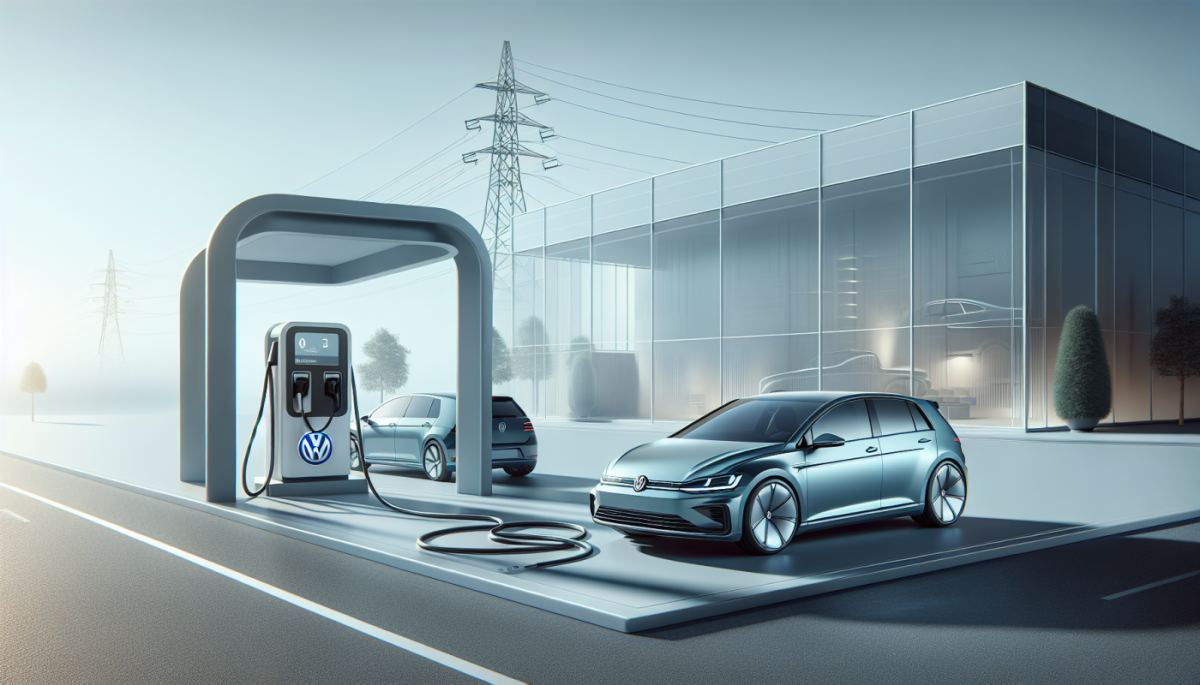
Volkswagen has spent decades building one of the most recognisable nameplates in automotive history. The Golf is not just a car; it is a cultural shorthand for a certain kind of sensible, reliable, European motoring. So when the company launched the ID.3 as its electric flagship hatchback, the implicit promise was enormous: here, finally, was the Golf for the electric age. The reality has been more complicated. Now, with a comprehensive update that includes a new name, bidirectional charging capability, and a return of physical buttons, Volkswagen is quietly admitting that the original execution fell short of that promise — and betting that this revision can close the gap.
The changes are more than cosmetic. Bidirectional charging, often called vehicle-to-grid or V2G technology, is the kind of feature that sounds like a footnote but carries genuinely significant implications. It means the car's battery can push electricity back into a home or onto the grid, transforming the vehicle from a passive consumer of energy into an active node in a broader energy system. For individual owners, this could mean using the car to power a home during peak-price evening hours and recharging it cheaply overnight. At scale, fleets of bidirectional EVs represent a form of distributed energy storage that grid operators have been quietly desperate for as renewable generation grows more intermittent. Volkswagen is not the first to offer this — Nissan's Leaf had rudimentary V2G capability years ago — but embedding it into a mass-market European hatchback at this price point is a meaningful step toward normalising the technology.
The return of physical buttons deserves more attention than it typically receives in automotive coverage. The industry's rush toward touchscreen-dominated interiors was driven less by genuine user research and more by cost reduction and a desire to signal technological sophistication. Removing physical controls cuts manufacturing complexity and lets automakers update interfaces through software. But the backlash has been real and sustained. Drivers complained that adjusting the heating or changing the volume while moving required the kind of focused visual attention that belongs on the road, not on a glass panel. Volkswagen's decision to restore tactile controls is a rare moment of a major automaker publicly reversing course on an interface philosophy it had championed. It will not be the last. The broader lesson — that digital-first design can create analogue problems — is one the industry is still absorbing.
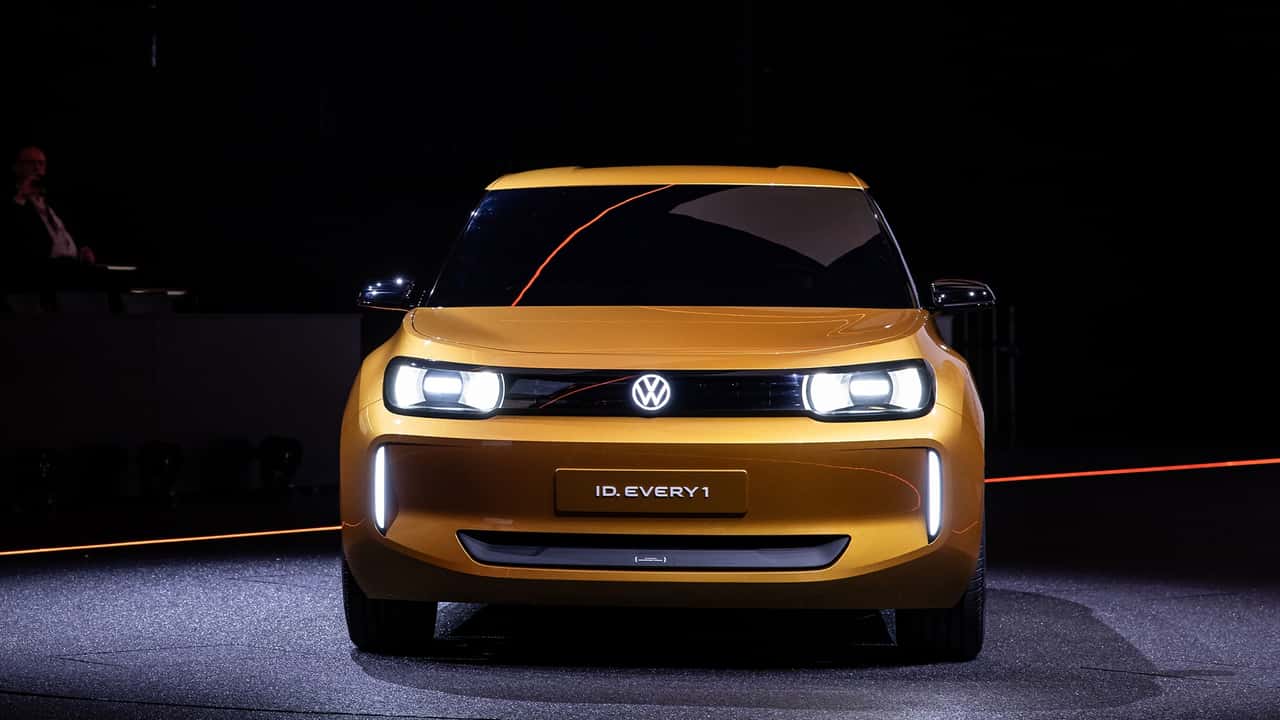
The decision to give the updated car a new name is perhaps the most revealing signal of all. Volkswagen has not disclosed precisely what the new name will be, but the act of renaming itself suggests the company recognises that the ID.3 brand has not fully landed with consumers the way the Golf brand did across generations. Naming in the automotive world is not trivial. It carries residual trust, emotional association, and word-of-mouth momentum. The ID. prefix, shared across Volkswagen's electric range, was designed to build a coherent electric identity separate from the combustion lineage. But coherent family branding only works when each member of the family earns its own reputation. If the ID.3 has struggled to do that, a rename is both an acknowledgment of that struggle and a chance to reset expectations.
There is a feedback loop worth watching here. Volkswagen's electric transition has faced pressure from multiple directions simultaneously: slowing EV demand growth in key European markets, intensifying competition from Chinese manufacturers offering comparable range at lower prices, and internal cost pressures that led to painful restructuring conversations within the company last year. Each of these forces shapes the others. Slower demand makes it harder to justify the investment needed to close the cost gap with Chinese rivals. Failure to close that gap further dampens demand. The ID.3 update, with its added features and repositioned identity, is partly an attempt to interrupt that loop by giving buyers a more compelling reason to choose Volkswagen specifically rather than simply choosing electric.
The second-order consequence most worth tracking is what bidirectional charging does to the relationship between automakers and energy companies. Once cars become grid assets, the question of who controls that relationship — and who captures the value from it — becomes commercially significant. Volkswagen, like other manufacturers, will need to decide whether to build energy services in-house, partner with utilities, or cede that ground to third parties. The car that sits in a driveway overnight is no longer just a depreciating asset. It is a battery, and batteries have become infrastructure.
Whether the renamed ID.3 becomes the Golf of its generation remains genuinely open. But the more interesting question may be whether the Golf of the electric age needs to be a car at all — or whether it becomes, quietly, a piece of the grid.
Discussion (0)
Be the first to comment.
Leave a comment