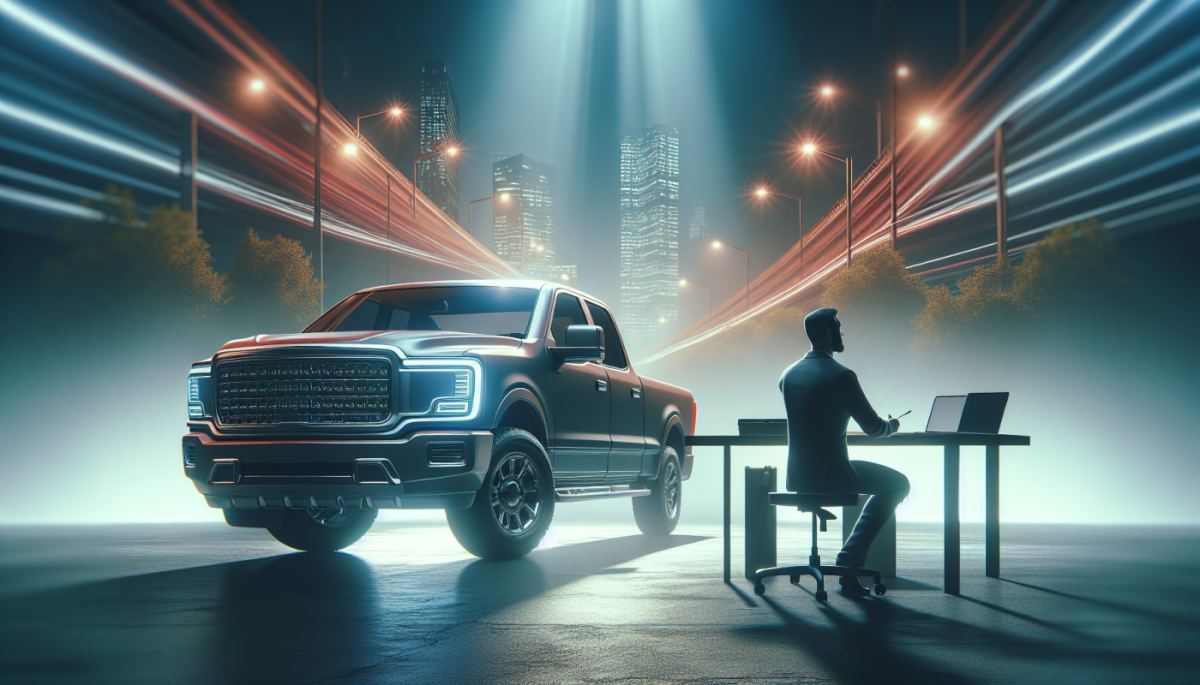
For decades, the American truck market has been dominated by a single architectural philosophy: body-on-frame construction, big beds, and the implicit promise that more mass equals more capability. That orthodoxy shaped not just what automakers built but what buyers believed they needed. Yet a quieter counter-tradition has always existed, one built around unibody pickups that borrow their structural logic from passenger cars rather than heavy-duty work vehicles. These trucks ride better, handle more predictably, and fit into parking garages. And right now, the used market is offering some of the most compelling entry points in years.
The appeal is not simply about comfort, though that matters. Unibody construction integrates the cab and frame into a single welded structure, which reduces weight, lowers the center of gravity, and allows for suspension tuning that feels closer to a crossover than a traditional truck. For the overwhelming majority of pickup buyers who never tow a boat or haul construction materials, that tradeoff is not a compromise at all. It is a rational upgrade.
Three models define this segment in the current used market. The Honda Ridgeline remains the most fully realized version of the concept. Built on a platform shared with the Pilot SUV, it offers a dual-action tailgate, a lockable in-bed trunk, and a ride quality that genuinely surprises people who climb in expecting a truck. Its all-wheel-drive system is competent rather than aggressive, which suits suburban and light off-road use without the fuel penalty of a more mechanically complex setup. Used examples from the 2017 refresh onward represent strong value, as Honda ironed out earlier criticisms about styling and towing capacity in that generation.
The Hyundai Santa Cruz occupies a different niche, smaller and more overtly car-derived, with a turbocharged four-cylinder engine and available all-wheel drive. It launched in 2022, which means used inventory is still relatively thin, but early examples are beginning to appear at prices that undercut new. Its bed is shorter than the Ridgeline's, which limits certain kinds of hauling, but its footprint makes it genuinely easy to park and maneuver in dense urban environments. For buyers who want truck utility without truck scale, it fills a gap that nothing else in the American market currently addresses.
The Ford Maverick rounds out the group and may be the most systemically interesting of the three. Ford designed it explicitly as an entry-level truck for buyers who had been priced out of the F-150, and its hybrid powertrain, standard on the base model, delivers fuel economy figures that no body-on-frame truck can match. At launch, demand so overwhelmed supply that dealers were marking examples up thousands above sticker. The used market has since normalized somewhat, and a well-maintained Maverick hybrid from 2022 or 2023 can now be found at prices that make the math genuinely compelling compared to a new compact crossover.
What makes this moment worth paying attention to is not just the trucks themselves but what their growing presence in the used market signals about a broader shift in buyer behavior. The traditional pickup truck has become one of the most expensive consumer products in American life. The average transaction price for a new full-size truck now exceeds $55,000, a figure that has climbed steadily as automakers have pushed buyers toward higher trims with features that inflate margins. That pricing pressure has not gone unnoticed, and it is quietly redirecting a segment of the market toward alternatives that would have seemed implausible ten years ago.
The second-order consequence here is worth watching carefully. As unibody pickups accumulate used inventory and prove their durability over time, they build the kind of owner community and repair ecosystem that sustains long-term market viability. The Ridgeline, which has been in production long enough to have a genuine ownership track record, is already benefiting from this dynamic. If the Maverick and Santa Cruz follow the same arc, the unibody segment could shift from a niche curiosity to a structural alternative within the broader truck market, one that puts quiet but real pressure on the pricing assumptions that have governed full-size trucks for a generation.
The American truck buyer has long been told that bigger is better and that capability justifies cost. The used unibody market is beginning to ask, quietly but persistently, whether that was ever really true for most of the people who believed it.

Discussion (0)
Be the first to comment.
Leave a comment