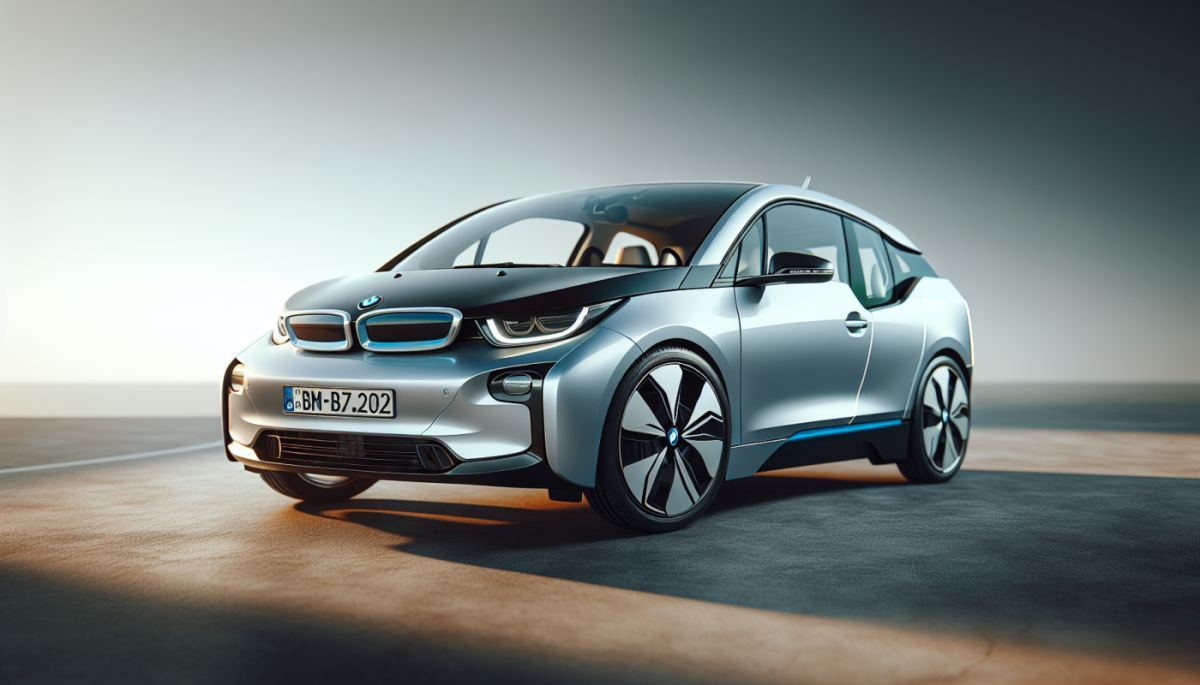
The electric vehicle industry has spent years chasing a number that feels psychologically decisive: 1,000 kilometers of range. BMW just got uncomfortably close. The newly unveiled i3 electric sedan — not to be confused with the compact urban runabout BMW retired in 2022 that shared the same name — arrives with a claimed WLTP range of 900 kilometers and charging speeds of up to 400 kW. Those are not incremental improvements. They represent a meaningful shift in what premium electric vehicles can credibly promise to drivers who still hesitate at the dealership door.
For context, the WLTP cycle is widely regarded as more realistic than the older NEDC standard, though real-world range still tends to fall somewhere below the official figure depending on speed, temperature, and driving behavior. Even so, 900 km under WLTP is a number that makes a long-haul drive from Los Angeles to San Francisco and back — without stopping to charge — theoretically possible. That changes the conversation in ways that raw horsepower figures never quite could.
Range alone no longer tells the full story of an electric vehicle's usability. The 400 kW peak charging speed is arguably the more disruptive figure here. For comparison, Tesla's V4 Superchargers top out at 250 kW for most vehicles, and even the Porsche Taycan — long considered the benchmark for fast-charging among premium EVs — peaks at around 320 kW. A 400 kW ceiling, if the real-world charging curve holds up under scrutiny, would mean that a driver could add several hundred kilometers of range during a coffee stop rather than a sit-down meal.
This matters because range anxiety and charging anxiety are related but distinct problems. A car with 900 km of range but slow charging is a different product from one with 500 km of range and genuinely fast replenishment. BMW appears to be targeting both anxieties simultaneously, which suggests the company has been watching consumer hesitation data very carefully. The German automaker has not always been the fastest mover in the EV transition — its early plug-in hybrid strategy drew criticism for prioritizing optics over genuine electrification — but the i3 sedan signals a more committed posture.
The ripple effects of a 900 km, 400 kW vehicle entering the premium market extend well beyond BMW's own sales projections. The most immediate pressure lands on competitors. Mercedes-Benz, Audi, and Lucid Motors — whose Air sedan has held the range crown among production EVs for several years — will face renewed urgency to respond. Lucid in particular has built much of its brand identity around efficiency and range leadership. A BMW carrying a familiar three-letter badge and matching those numbers reframes the competitive landscape in ways that a startup challenger simply cannot.
There is also a quieter infrastructure consequence worth watching. Charging networks in the United States and Europe have been scaling toward 350 kW as a kind of industry ceiling, with relatively few stations capable of delivering more. If 400 kW vehicles begin arriving in volume, the pressure on charging operators like Electrify America, IONITY, and even Tesla to upgrade hardware accelerates. That is a capital-intensive ask, and the timeline for those upgrades rarely moves as fast as the vehicles that demand them. The result could be a temporary gap where the car's capability outpaces the grid's ability to honor it — a familiar pattern in technology adoption where the device arrives before the ecosystem catches up.
For consumers sitting on the fence, the i3 sedan's specifications may do something that years of incentive programs and environmental messaging have struggled to accomplish: make the electric option feel unambiguously superior on practical terms, not just ideological ones. When a vehicle can travel 900 kilometers on a charge and replenish quickly enough to make stopping feel routine rather than anxious, the remaining objections become thinner. The question BMW now faces is whether it can deliver that promise at a price point and production volume that actually moves the needle — because in the EV market, a world-premiere unveiling and a driveway reality are still two very different things.
Discussion (0)
Be the first to comment.
Leave a comment