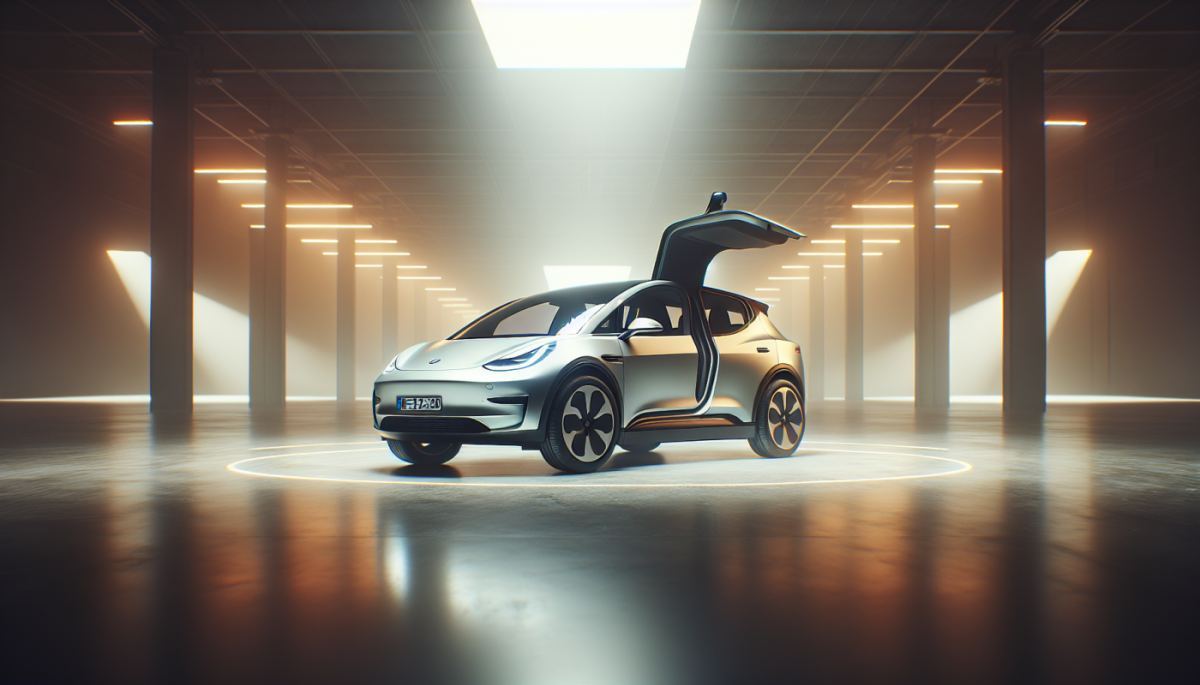
There is a version of BMW's future where the company survives the electric transition as a profitable automaker but loses the thing that made people care about it in the first place. The new i3 — not to be confused with the quirky urban runabout BMW sold under the same name from 2013 to 2022 — is the clearest test yet of whether those two outcomes are mutually exclusive.
The 3 Series has been the backbone of BMW's identity for decades. It is the car that built the "ultimate driving machine" mythology into something tangible and affordable, the entry point through which generations of drivers first understood what it meant for a car to feel alive beneath you. The iX3, BMW's electric SUV, was a competent product. It sold reasonably well. But nobody wrote love letters about it. The 3 Series is different. Electrifying it is not a product decision so much as a philosophical one.
To understand why the i3 matters more than the iX3, you have to understand what the 3 Series has historically done for BMW as a system, not just as a revenue line. The sedan sits at the center of a feedback loop that has sustained the brand for generations: driving enthusiasts buy the 3 Series, they evangelize it, that word-of-mouth pulls aspirational buyers toward the broader BMW lineup, and the halo effect justifies premium pricing across every model from the X1 to the 7 Series. Disrupt the 3 Series and you risk unwinding that entire loop.
The iX3, as an SUV, sits outside that loop. Buyers who choose it are largely making a practical decision, trading on BMW's reputation for quality and refinement rather than its reputation for driver engagement. If the iX3 had been mediocre, BMW would have lost some sales and taken some criticism. If the i3 is mediocre, BMW risks something harder to recover: the credibility of the claim that an electric BMW can still be a driver's car.
This is the pressure that shapes everything about how the i3 has been developed and marketed. BMW's engineers are not just trying to hit range and efficiency targets. They are trying to preserve a feeling, and feelings are notoriously difficult to engineer into a platform that, by its nature, distributes weight differently, delivers torque differently, and sounds completely different from the cars that built the brand's reputation.
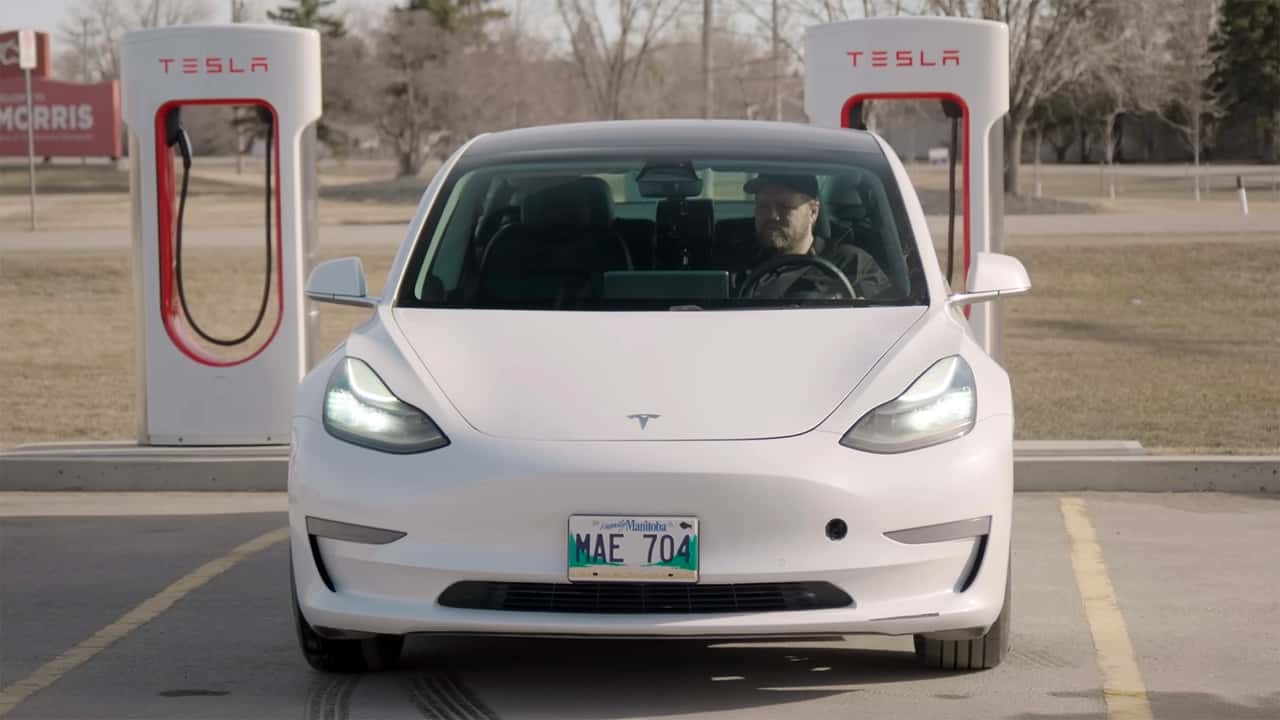
The second-order consequences of the i3's reception could ripple well beyond BMW's own balance sheet. The 3 Series competes directly with the Tesla Model 3, the Polestar 2, and increasingly with electric sedans from Genesis and Hyundai. If BMW can demonstrate that a legacy automaker's electric sedan can match or exceed the driver engagement of a Tesla while offering the refinement and dealer network that Tesla still struggles to provide, it changes the competitive calculus for the entire segment.
More importantly, it gives BMW's loyal customer base a reason to stay rather than defect. One of the quieter crises facing traditional European automakers is the loyalty gap: drivers who have bought BMW or Mercedes for twenty years are reaching their next purchase decision and, for the first time, seriously considering a brand they would have dismissed a decade ago. The i3 is BMW's most direct argument that they do not have to make that leap.
There is also a workforce and manufacturing dimension that rarely gets discussed in the automotive press. BMW's plants in Munich and elsewhere have been retooled around electric platforms, and the 3 Series line carries enormous symbolic weight for the workers and communities tied to those facilities. A successful i3 validates those investments. A lukewarm one raises uncomfortable questions about whether the capital was deployed wisely, and whether the next round of investment follows the same path or gets redirected.
The deeper question the i3 forces into the open is whether brand identity built on internal combustion can survive translation into an entirely different propulsion paradigm, or whether the loyalty BMW has accumulated is more fragile than anyone in Munich would like to admit. The answer will not come from a press release or a launch event. It will come from whether, three years from now, the people who buy the i3 are telling their friends to do the same.

Discussion (0)
Be the first to comment.
Leave a comment