Stories

Health
WHO Warns Weak Drink Taxes Are Fueling a Global Health Crisis
The WHO says governments are letting harmful drinks stay too cheap, and the compounding health costs are now impossible to ignore.

Health
Men Are Losing the Y Chromosome With Age — and the Consequences May Be Severe
A growing body of research suggests that the silent loss of the Y chromosome in aging men's cells may be fueling heart disease, cancer, and Alzheimer's.
Mobility
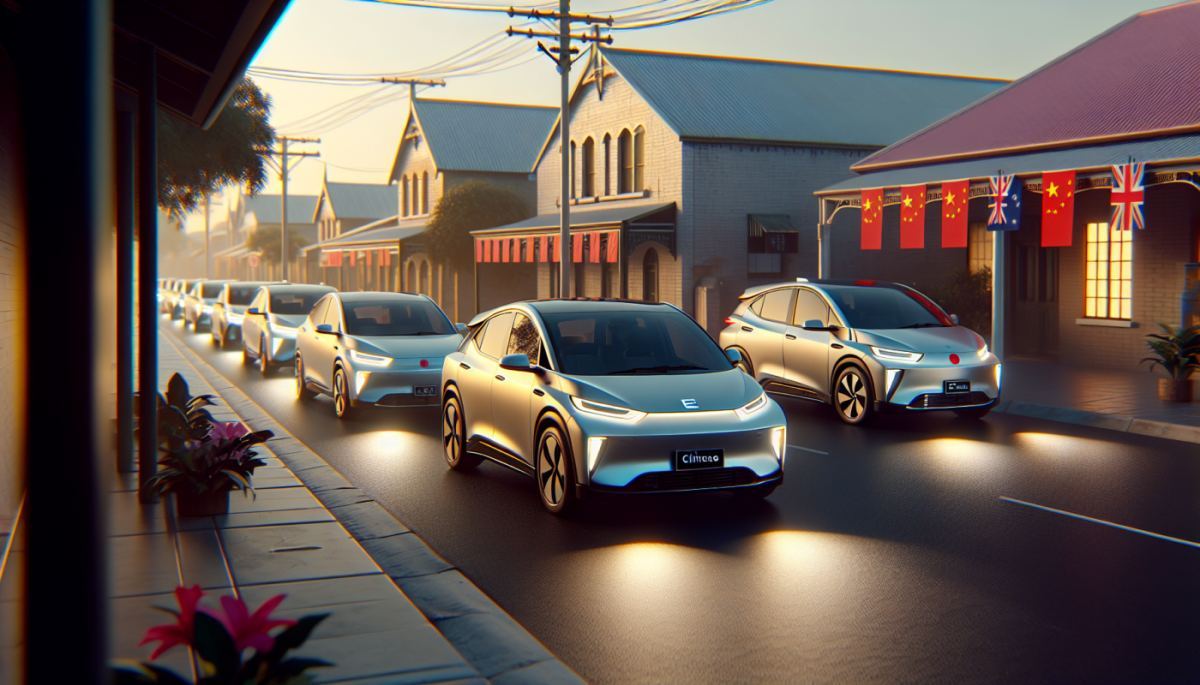
Chinese EVs Are Outselling Japanese Brands in Australia — and It's Not Close
Chinese EV brands are outselling Japanese automakers in Australia — and the feedback loops now in motion could make that lead very hard to reverse.

Health
The Case for Eating Your Skincare: Vitamin C Works From the Inside Out
Vitamin C serums dominate skincare shelves, but new research suggests eating the nutrient may reshape skin at a structural level that topicals can't reach.

Mobility
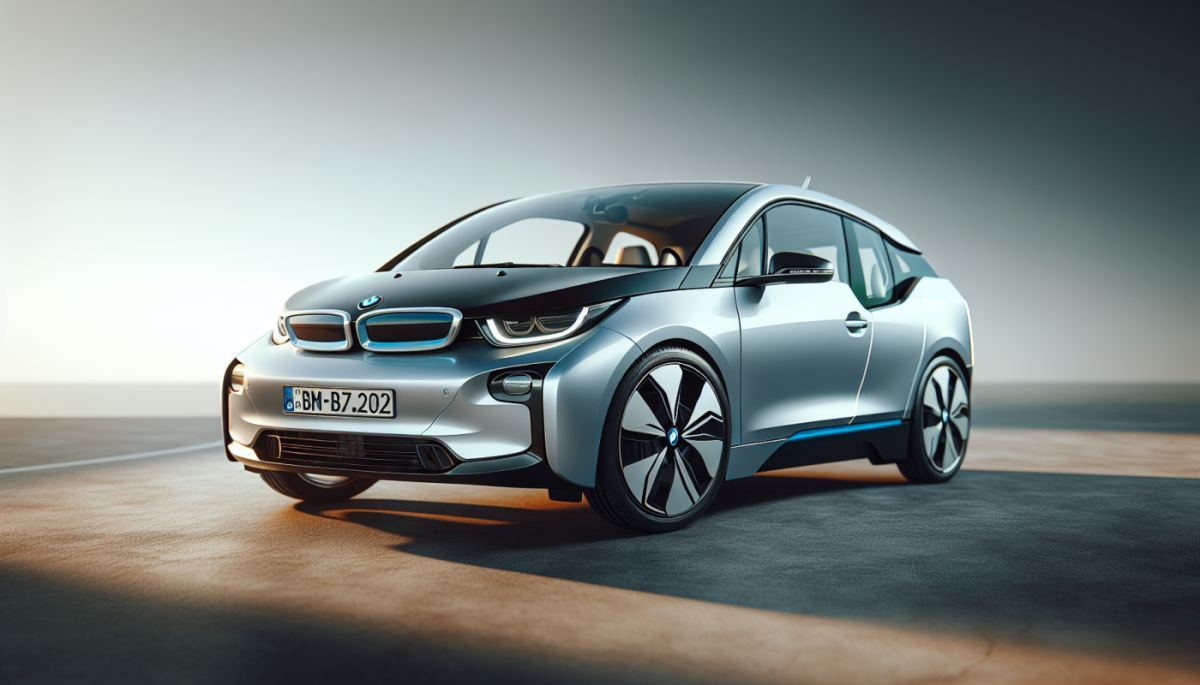
BMW's Electric 3 Series Arrives With 800V Architecture to Challenge Tesla's Dominance
BMW's first electric 3 Series brings 800-volt charging and a range claim that could redraw the luxury EV map.

Health
Clogged Brain Drains May Be the Earliest Warning Sign of Alzheimer's
Blockages in the brain's drainage system, visible on standard MRI scans, may signal Alzheimer's risk earlier than any marker currently in clinical use.
More Stories

Health
Stanford Cracks the Code on mRNA Vaccines and Heart Inflammation
Mobility
VinFast Is Building a Factory for a U.S. Market That Barely Knows It Exists

Health
The WHO Pandemic Agreement Has a Pathogen-Sharing Problem Nobody Wants to Solve

Health
The Resurrection of a Banned Metabolism Drug — This Time, Safer
Advertisementinfeed_2

Health
Your Body Clock May Be Sounding a Dementia Alarm Years Before Diagnosis
Older adults with fragmented daily rhythms are far more likely to develop dementia, pointing to the body clock as an early and largely overlooked warning system.
Mobility
Rivian's R2 Bets Its Future on a Leaner Parts Strategy
Rivian's R2 isn't just a cheaper SUV — it's a structural bet that fewer parts and a global footprint can finally make the company profitable.