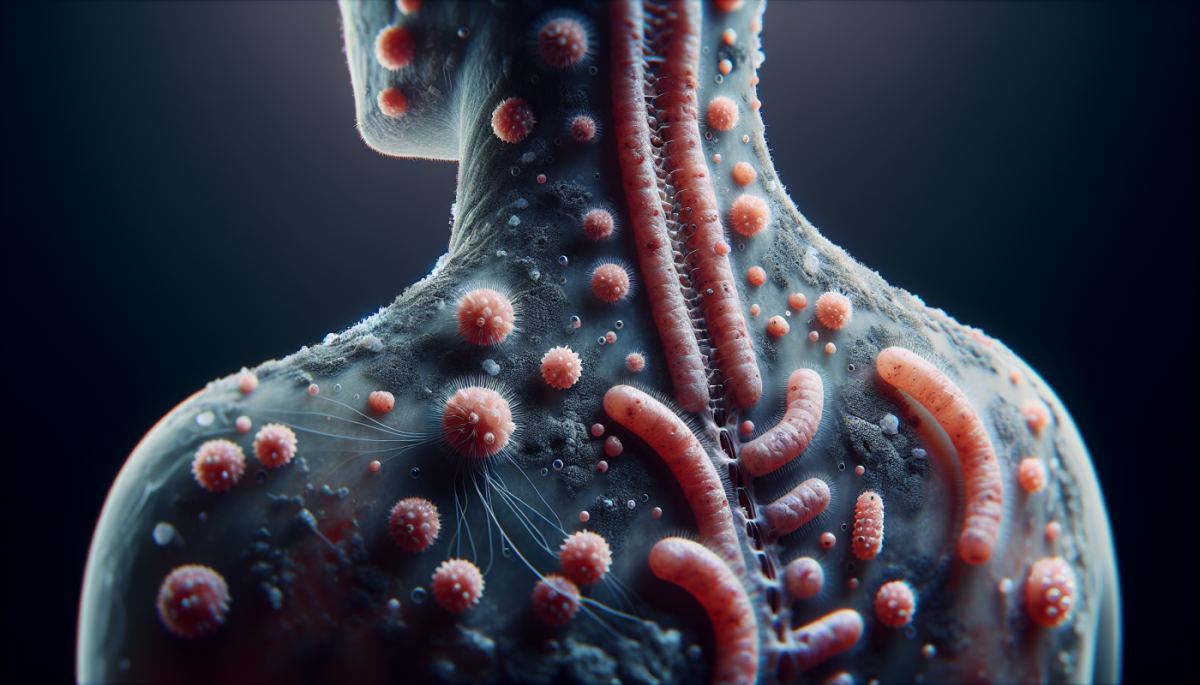
For decades, the standard explanation for why some wounds refuse to close has centered on antibiotic resistance. The assumption was straightforward: bacteria survive the drugs, the infection persists, and healing stalls. But new research is forcing a more uncomfortable reckoning with what is actually happening inside a chronic wound, and the answer turns out to be far more aggressive than simple drug resistance.
Scientists have discovered that a common bacterium found in long-lasting wounds is not merely surviving antibiotic treatment. It is actively releasing damaging molecules that overwhelm skin cells and prevent them from doing their most basic job: repairing tissue. The bacterium, in effect, does not just endure the immune response. It weaponizes the wound environment itself.
The specific mechanism involves the release of reactive oxygen species and other harmful molecular byproducts that flood the wound site. Skin cells, known as keratinocytes, are the frontline workers of tissue repair. When they are bombarded by these molecules, they lose their ability to migrate across the wound bed and lay down new tissue. The healing process does not slow down. It stops entirely. What makes this finding particularly striking is that researchers also demonstrated a potential path forward: when antioxidants were introduced to neutralize these harmful molecules, the skin cells recovered their function and resumed the repair process.
To understand why this matters beyond the laboratory, it helps to think about chronic wounds as a systems problem rather than a simple infection problem. The human body's wound-healing cascade is one of its most elegant feedback loops. Inflammation signals repair cells to arrive. Repair cells lay down scaffolding. New tissue grows. Inflammation recedes. Each stage depends on the previous one completing correctly.
What this research reveals is that certain bacteria can insert themselves into that loop and corrupt it from within. By generating oxidative stress, they create a local environment that is chemically hostile to the very cells responsible for resolution. The immune system keeps sending signals to heal. The skin cells keep receiving those signals. But the molecular noise generated by the bacteria drowns out the response. It is less like a locked door and more like a jammed radio frequency.
This reframes the clinical challenge considerably. Physicians treating diabetic foot ulcers, pressure sores, and venous leg ulcers have long struggled with wounds that appear clean on the surface but simply will not close. Many of these patients cycle through repeated antibiotic courses with little improvement. If the bacteria driving the problem are not primarily succeeding through drug resistance but through active tissue sabotage, then antibiotics alone were never going to be sufficient. The treatment was addressing the wrong variable.
The implications ripple outward in ways that deserve serious attention. Chronic wounds affect an estimated 6.5 million patients in the United States annually, according to data published in the journal Wound Repair and Regeneration, and the cost of treating them exceeds $25 billion per year. A significant portion of that burden falls on elderly patients and those with diabetes, two populations that are growing. If the underlying biology of wound chronicity has been misunderstood, then a substantial share of that spending has been directed at incomplete solutions.
The antioxidant finding opens a genuinely different therapeutic avenue, but it also raises a second-order question that the research community will need to grapple with: if oxidative stress is the proximate cause of healing failure, what other bacterial species or wound conditions produce the same effect through different molecular pathways? The bacterium identified in this study may be one actor in a larger cast. Treating it as a singular discovery rather than a proof of concept for a broader class of mechanisms would be a missed opportunity.
There is also a feedback loop worth watching on the clinical side. As antioxidant-based wound therapies move toward development, they will enter a healthcare system that is already saturated with topical wound products of variable efficacy. The commercial pressure to deploy a new mechanism before it is fully characterized is real, and the history of wound care is littered with promising interventions that worked in controlled conditions and underperformed in the complexity of real patients.
What this research ultimately demands is a more honest accounting of how chronic wounds are classified and treated. A wound that does not heal is not just a wound with bacteria in it. It may be a wound in which the bacteria have fundamentally altered the biochemical terrain. That distinction, small as it sounds, could change everything about how clinicians approach the problem going forward.
References
- Zhao et al. (2013) — Antimicrobials, Resistance and the Biology of Chronic Wounds
- Sen et al. (2009) — Human Skin Wounds: A Major and Snowballing Threat to Public Health
- Dunnill et al. (2017) — Reactive Oxygen Species and Wound Healing
- Bjarnsholt et al. (2008) — Pseudomonas aeruginosa Tolerance to Tobramycin, Hydrogen Peroxide and Polymorphonuclear Leukocytes



Discussion (0)
Be the first to comment.
Leave a comment