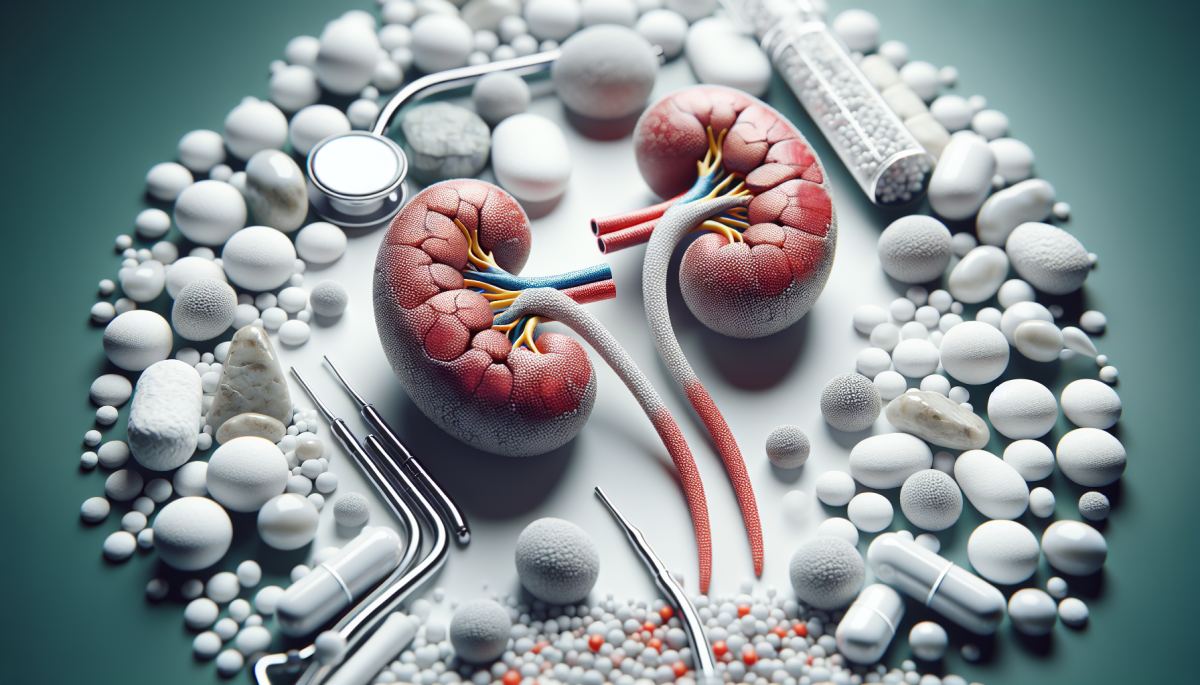
Kidney stones are among the most reliably miserable experiences in medicine. The pain arrives without warning, radiates in waves, and has been described by sufferers as worse than childbirth. For the roughly one in ten Americans who develop them, the cruelest part may be that stones tend to return. Recurrence rates hover around 50 percent within ten years, and the standard advice from doctors has long been simple: drink more water. Dilute the urine, reduce the concentration of stone-forming minerals, and the odds of another episode should fall. It sounds almost too straightforward to fail.
A large clinical trial published in the New England Journal of Medicine has now put that logic to a serious test, and the results are more complicated than the conventional wisdom suggested. Researchers enrolled hundreds of patients who had already experienced kidney stones and assigned them to either a high-intensity hydration intervention or standard care. The intervention group received smart water bottles that tracked fluid intake in real time, regular coaching sessions, automated reminders, and financial incentives tied to hitting daily hydration targets. This was not a passive nudge. It was a sustained, technology-assisted campaign to change behavior, backed by the kind of infrastructure that most public health programs can only dream about.
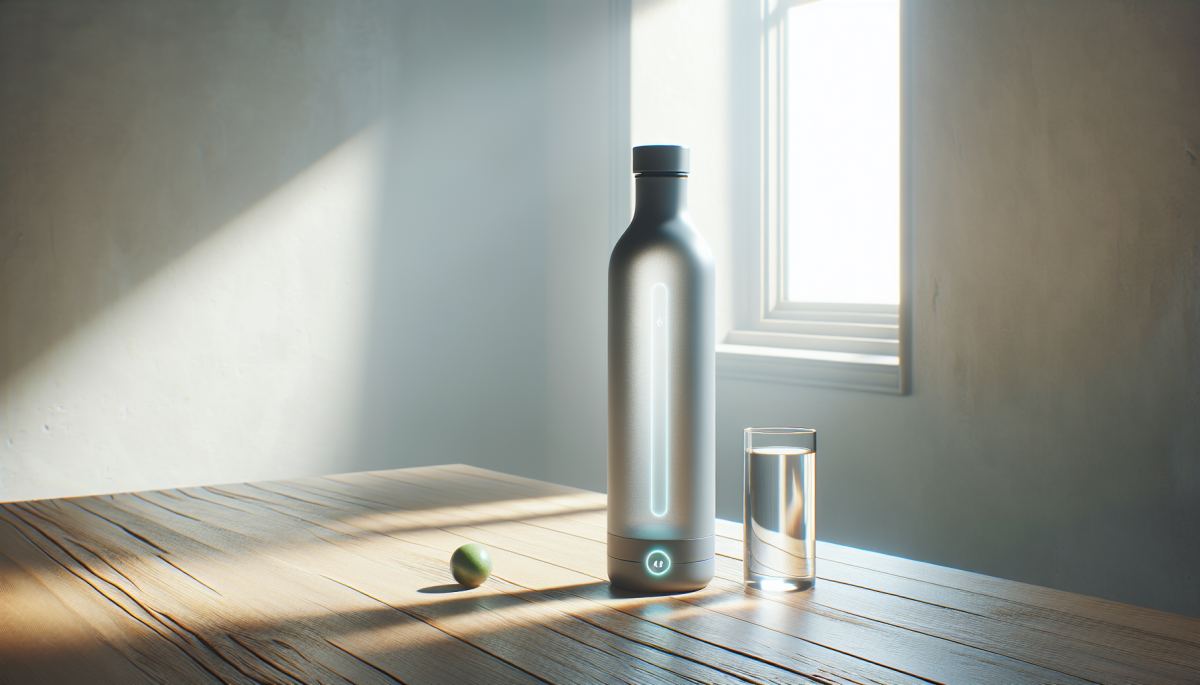
The participants in the intervention group did drink more water. That part worked. Their urine output increased measurably, which is exactly what the physiological model predicts should reduce stone formation. And yet when researchers tracked stone recurrence over the follow-up period, the difference between the two groups was not statistically significant. More water, more coaching, more accountability, and more money on the line, and the stones came back at roughly the same rate.
The finding does not mean hydration is irrelevant to kidney stone prevention. Decades of observational research and smaller studies have linked higher fluid intake to lower stone risk, and no serious nephrologist is about to tell patients to stop drinking water. What the trial suggests, more uncomfortably, is that the relationship between hydration and stone recurrence is far more entangled with individual biology than the simple dilution model implies.
Kidney stones form through a cascade of interacting factors: urine chemistry, diet, gut microbiome composition, genetic predispositions, and the behavior of specific proteins that either promote or inhibit crystal growth. For some patients, the dominant driver of stone formation may have little to do with how much water they drink. A person whose stones are driven primarily by a genetic tendency to absorb excess calcium, or by an overabundance of oxalate-producing gut bacteria, may dilute their urine faithfully and still watch crystals accumulate. The body is not a simple pipe that clogs less when flushed more aggressively.
There is also a behavioral economics dimension worth examining. Financial incentives and smart devices produced measurable changes in drinking habits during the trial, which tells us something important about the limits of motivation as a lever for health outcomes. People can be nudged into doing the right thing and still not get the right result, because the right thing was never quite right enough for their particular physiology.
The deeper consequence of this trial may play out in clinical practice over the next decade. Hydration advice is cheap, easy to give, and carries essentially no risk of harm. It has served as a comfortable anchor for kidney stone counseling precisely because it requires no expensive testing, no genetic analysis, and no individualized metabolic workup. If physicians and patients now absorb the message that drinking more water is less powerful than assumed, the question becomes what fills that vacuum.
The risk is a drift toward therapeutic nihilism on one hand, or toward over-medicalization on the other. Some patients may conclude that prevention is futile and stop trying. Others may be pushed toward pharmaceutical interventions, dietary restriction protocols, or metabolic testing that is genuinely warranted for high-risk individuals but unnecessary for the broader population of first-time stone formers. Getting that triage right will require a more sophisticated understanding of stone subtypes than most primary care settings currently support.
What this trial ultimately reveals is that medicine has been treating kidney stones as a plumbing problem when they may be, for many patients, a systems problem. The pipes matter, but so does everything flowing through them. As researchers begin to map the genetic and microbial signatures that predict recurrence, the next generation of prevention may look less like a smart water bottle and more like a personalized metabolic profile drawn at the time of a patient's first stone. That future is not yet here, but the failure of a well-designed hydration trial has made the case for it considerably harder to ignore.
References
- Scales et al. (2025) — Hydration to Prevent Kidney Stone Recurrence
- Pearle et al. (2014) — Medical Management of Kidney Stones: AUA Guideline
- Ferraro et al. (2020) — Kidney Stone Disease: Pathophysiology, Diagnosis and Management
- Romero et al. (2010) — Kidney Stones: A Global Picture of Prevalence, Incidence, and Associated Risk Factors


Discussion (0)
Be the first to comment.
Leave a comment