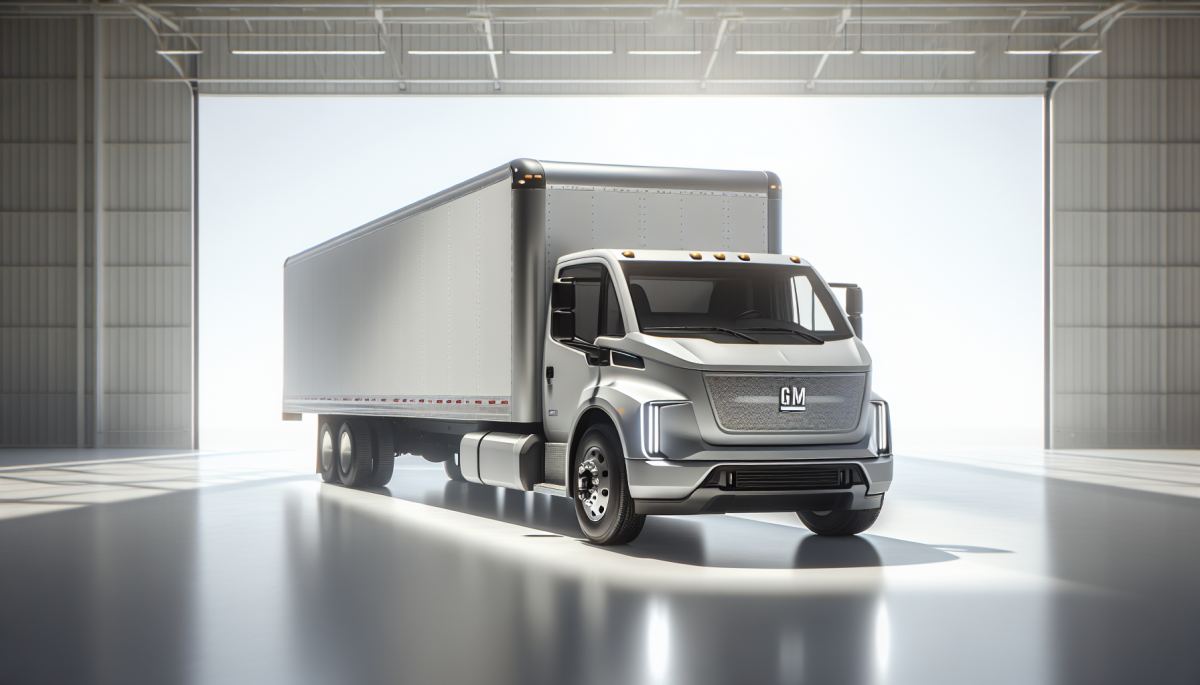
General Motors has paused development work on next-generation versions of some of its most high-profile electric vehicles, according to recent reporting. The freeze affects future iterations of the Cadillac Escalade IQ, the Chevrolet Silverado EV, the GMC Sierra EV, and the GMC Hummer EV — a lineup that represents the beating heart of GM's bet on large-format electric vehicles. The decision signals something more significant than a routine product planning shuffle. It reflects a company recalibrating its ambitions against the stubborn friction of a market that has not moved as fast as the optimists promised.
GM had positioned these trucks and SUVs as the vehicles that would prove electric powertrains could conquer America's most profitable segment. Full-size trucks and large SUVs are not peripheral products for Detroit automakers — they are the financial engines that fund everything else. The Silverado and Sierra nameplates alone have historically accounted for enormous portions of GM's North American revenue. Electrifying them was always going to be a high-stakes gamble, and the pause suggests the house is reconsidering its chips.
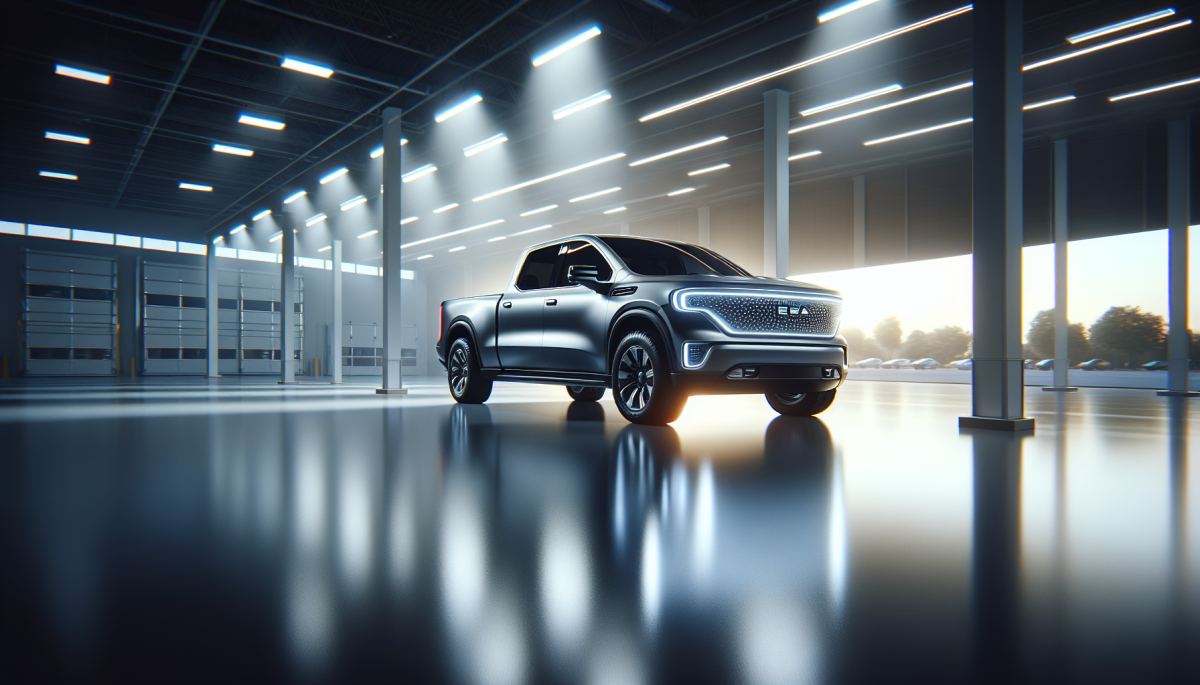
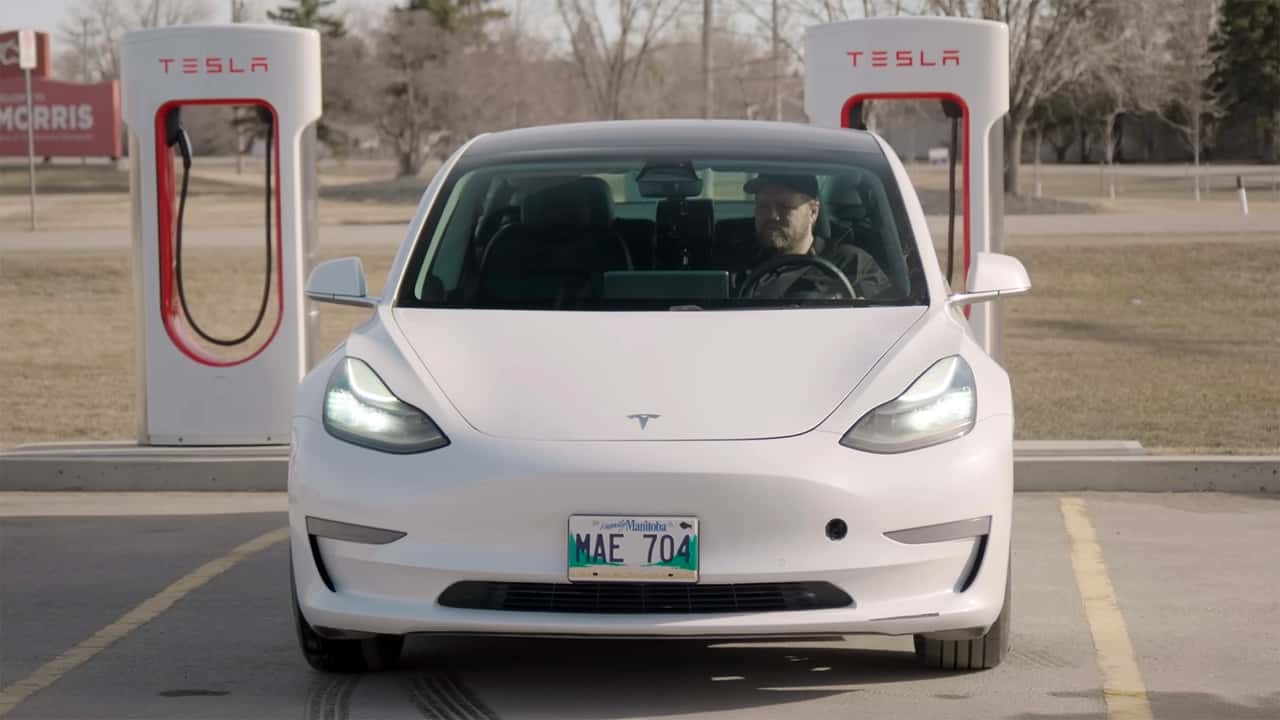
The broader EV market has been sending mixed signals for the better part of two years. While Tesla continues to dominate the premium end and budget-oriented models from Chinese manufacturers are reshaping global competition, the American mass-market transition has stalled in a kind of awkward middle ground. Consumers remain interested in EVs in surveys but hesitant at dealerships, particularly when the vehicles in question carry price premiums that can stretch into the tens of thousands of dollars over comparable gas-powered alternatives.
The Silverado EV, for instance, launched at price points that put it well out of reach for the average truck buyer. The Cadillac Escalade IQ arrived as an ultra-luxury statement piece rather than a volume product. These were not vehicles designed to move metal in the hundreds of thousands — they were designed to demonstrate capability and capture early adopters. The problem is that the early adopter pool has largely been tapped, and the mainstream buyer has not followed in the expected numbers.
There is also a charging infrastructure dimension that rarely gets the attention it deserves in these conversations. Truck and SUV buyers tend to use their vehicles for towing, hauling, and long-distance travel — precisely the use cases where EV range anxiety is most acute and where the charging network remains most inadequate. A Silverado EV towing a boat trailer sees its range drop dramatically, and the mental calculus of planning a trip around charging stops is a genuine behavioral barrier that no amount of marketing has yet dissolved.
What happens inside GM's product planning meetings does not stay there. The company's decisions ripple outward through a supply chain that has been retooling at significant cost and speed. Battery suppliers, aluminum fabricators, software developers, and assembly workers at plants like Factory ZERO in Detroit have all been orienting around a roadmap that now appears to be shifting beneath them. When an automaker pauses next-generation development, it is not simply delaying a product — it is sending a signal to every tier-one and tier-two supplier about where investment confidence actually sits.
There is also a competitive signaling effect worth watching. Ford has already pulled back on some of its EV production targets for the F-150 Lightning. Stellantis has been navigating its own electrification turbulence. If the three traditional Detroit automakers are all quietly moderating their large-vehicle EV ambitions at roughly the same time, it creates a self-reinforcing dynamic: less investment leads to slower cost reduction, slower cost reduction keeps prices high, high prices suppress demand, and suppressed demand justifies further pullback. That is a feedback loop with real staying power.
The political environment adds another layer of complexity. Federal EV incentives under the Inflation Reduction Act have been a meaningful demand lever, but their future is uncertain given ongoing legislative and executive branch pressures. Automakers making 10-year product decisions are being asked to do so against a policy backdrop that could look very different in 18 months.
GM's pause is not a death sentence for electric trucks. The underlying technology continues to improve, battery costs are on a long-run downward trajectory, and the regulatory pressure from California and the European Union has not disappeared. But the timeline has clearly stretched, and the confident projections of just a few years ago now look like they were drawn with a pencil rather than ink. The more interesting question is whether this recalibration produces smarter, more affordable products down the road — or whether it simply delays the reckoning that the industry knows is coming.
References
- Wayland, M. (2024) — GM slows EV development amid demand concerns
- Boudette, N. (2024) — Electric Vehicle Sales Are Growing, but Not as Fast as Automakers Hoped
- Colias, M. (2023) — GM's Electric-Vehicle Ambitions Run Into a Harsh Reality
- U.S. Department of Energy (2024) — EV Charging Infrastructure Deployment

Discussion (0)
Be the first to comment.
Leave a comment