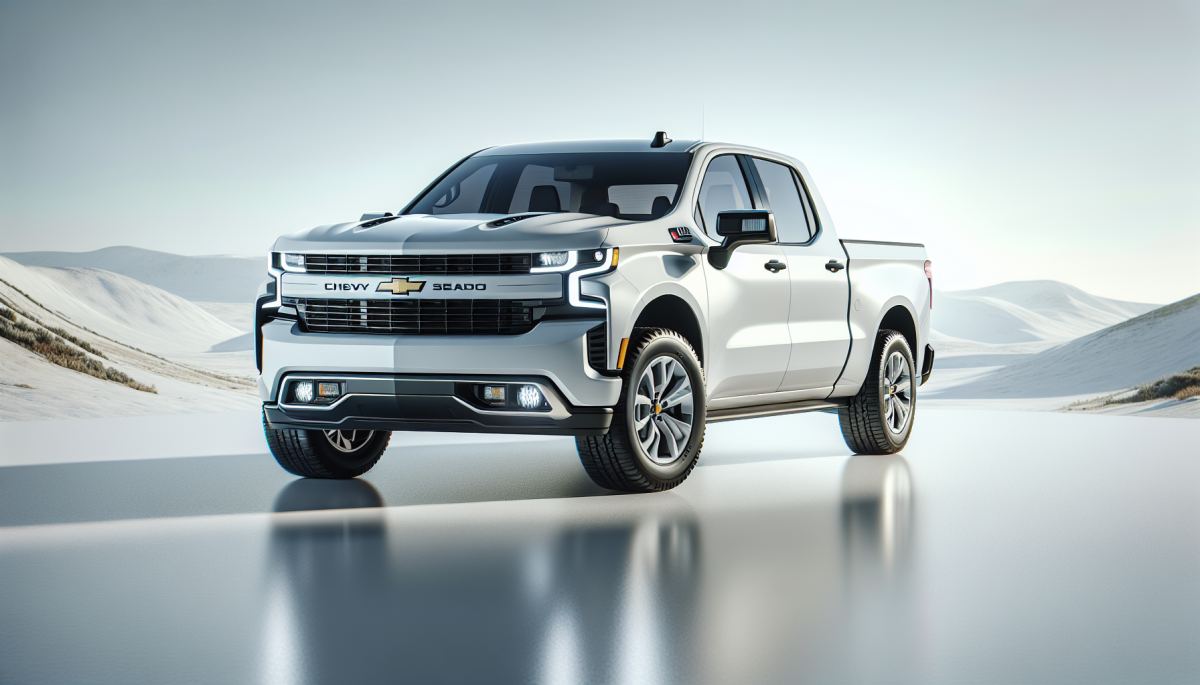
General Motors built its electric vehicle ambitions on a foundation of marquee names. The Silverado, the Hummer, the Escalade — these weren't just vehicles, they were cultural touchstones, the kind of products that could theoretically drag millions of reluctant truck buyers into the electric era. Now, according to a report confirmed by GM on Wednesday, the company is canceling next-generation versions of the Chevy Silverado EV, GMC Hummer EV, and Cadillac Escalade IQ. The current models will not receive direct successors. That is not a minor product decision. It is a signal.
To understand what's happening here, it helps to remember how loudly GM announced these vehicles in the first place. The Silverado EV was unveiled at CES 2022 with considerable fanfare, positioned as proof that America's best-selling truck segment could go electric without sacrificing utility or identity. The Escalade IQ was meant to anchor Cadillac's transformation into a luxury EV brand. The Hummer EV, resurrected as an electric behemoth, was supposed to reframe the entire conversation about what electric trucks could be. GM committed billions to its Ultium battery platform, the backbone of all three vehicles, and spoke openly about becoming an EV leader by mid-decade.
What changed is a combination of forces that, taken together, paint a complicated picture of where the American auto industry actually stands.
Electric trucks are expensive to build and, so far, difficult to sell at scale. The Silverado EV's starting price hovered well above $70,000 in its initial configurations, putting it in direct competition with Tesla's Cybertruck and Ford's F-150 Lightning while also competing against GM's own internal combustion lineup. Consumer demand for electric trucks has grown, but not at the pace the industry projected in 2021 and 2022, when EV enthusiasm was running at a fever pitch and automakers were making bets calibrated to that moment rather than to the more complicated market that followed.
GM has also been quietly absorbing losses on its EV operations. The company's electric vehicle segment lost approximately $5.8 billion in adjusted earnings before interest and taxes in 2023 alone, according to figures GM disclosed publicly. That kind of sustained loss creates enormous internal pressure to rationalize the portfolio, cut programs that aren't delivering returns, and concentrate resources on vehicles that can actually generate profit in the near term. Canceling a next-generation platform before it consumes additional development capital is, from a pure financial engineering standpoint, a defensible move.
But defensible and wise are not always the same thing.
Here is where systems thinking becomes essential. When a company as large as GM pulls back from next-generation EV development, the consequences don't stay inside GM's balance sheet. Suppliers who tooled up for Ultium-based components face reduced order volumes. Engineers who were hired specifically for EV programs face uncertainty. And perhaps most consequentially, the competitive signal this sends to foreign automakers, particularly Chinese manufacturers like BYD and SAIC who are aggressively expanding their electric truck and SUV ambitions globally, is that the American incumbents are blinking.
There's also a feedback loop worth watching inside the consumer market. EV adoption is partly driven by the perception of momentum. When buyers see major manufacturers retreating, it can reinforce hesitation, creating a self-fulfilling slowdown. The truck segment is particularly sensitive to this dynamic because truck buyers tend to be brand-loyal and risk-averse. If GM's electric trucks disappear from future model cycles, those buyers don't automatically migrate to Tesla or Rivian. Many of them simply stay with gasoline.
The irony is that GM's Ultium platform, whatever its commercial struggles, represented genuine engineering progress. Abandoning the next generation of vehicles built on it doesn't erase the sunk cost, it just forfeits the potential upside.
What happens next will depend partly on how Ford and Stellantis respond, partly on where battery costs land over the next three years, and partly on the regulatory environment under an administration that has shown little appetite for mandating EV adoption. GM may be making a rational short-term decision. But in an industry where product cycles run five to seven years, short-term rationality has a way of becoming long-term vulnerability.

Discussion (0)
Be the first to comment.
Leave a comment