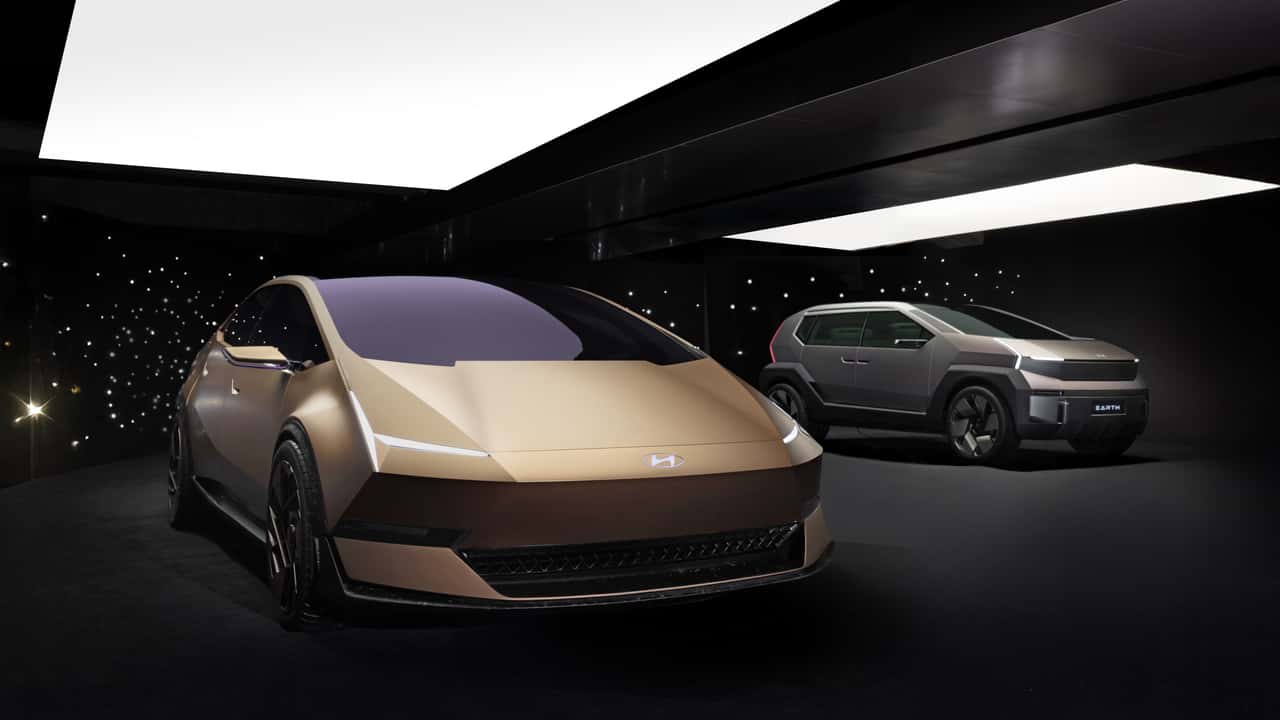
Hyundai has never been shy about tailoring its ambitions to specific markets, but the debut of two concept vehicles under a China-exclusive Ioniq sub-brand marks something more deliberate than a regional refresh. The Venus and Earth design studies, unveiled to signal the direction of Hyundai's electric vehicle push in China, look almost nothing like the Ioniq 5, Ioniq 6, or any other model in the global lineup. That visual rupture is not accidental. It is a calculated response to a competitive environment that has fundamentally changed what Chinese consumers expect from an electric car.
China's EV market is no longer a place where foreign brands can coast on heritage or badge recognition. Domestic players like BYD, NIO, Li Auto, and the Huawei-backed Aito have redefined the category with aggressive pricing, software-first interiors, and design languages that feel genuinely futuristic rather than cautiously evolved. Foreign automakers, including Volkswagen, General Motors, and Toyota, have all watched their market share erode in real time. Hyundai, which saw its China sales collapse from a peak of roughly 1.8 million vehicles annually around 2016 to a fraction of that in recent years, is not entering this moment from a position of strength. The new Ioniq sub-brand is less a victory lap and more a structural bet that a clean-slate identity can do what incremental product updates could not.
The decision to let the China Ioniq concepts look nothing like their global siblings is itself a systems-level signal. It suggests Hyundai's leadership has accepted that brand coherence across markets is less valuable than relevance within them. This is a meaningful strategic shift. For decades, global automakers operated on the assumption that a unified visual identity built trust and reduced development costs. That logic still holds in Europe and North America, where Hyundai's Ioniq lineup has earned genuine critical acclaim. But in China, where local competitors iterate on design and software at a pace that would be operationally impossible for most Western manufacturers, a globally harmonized look can read as stale before a model even reaches dealerships.
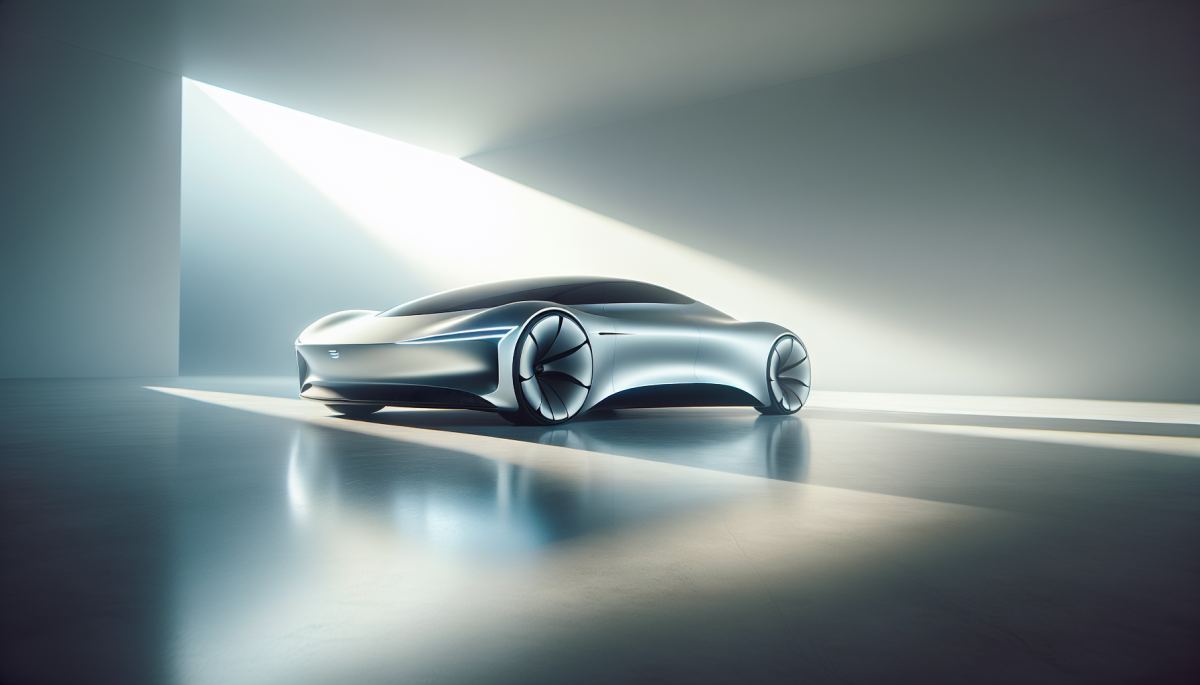
The Venus and Earth concepts appear to lean into proportions and surface treatments that feel closer to the aesthetic vocabulary of Chinese luxury tech brands than to anything in the Korean automaker's existing portfolio. Without full production specifications yet confirmed, the concepts function primarily as a declaration of intent, telling Chinese consumers and investors that Hyundai is willing to build something genuinely different for this market rather than shipping a rebadged version of what sells in Seoul or Frankfurt.
The more consequential story here may not be about Hyundai at all. If a major global automaker formally fragments its EV brand identity by market, it creates a precedent that others will feel pressure to follow. Stellantis, Volkswagen Group, and even Toyota are all navigating versions of the same dilemma: how do you maintain global brand equity while competing locally against companies that have no global brand equity to protect and therefore nothing to lose by moving fast? The answer Hyundai appears to be testing is organizational and creative decoupling, letting a regional team develop something that the parent brand would never greenlight for a global audience.
The risk is real. A China-specific Ioniq that succeeds on its own terms could create internal competition for resources, engineering talent, and executive attention. It could also produce consumer confusion if the global Ioniq brand and the China Ioniq brand begin to stand for visibly different things. Brand architecture is not infinitely elastic, and Hyundai will eventually have to decide whether the China sub-brand is a temporary experiment or a permanent fork in the road.
What makes this moment genuinely interesting is that the answer may not be Hyundai's to decide alone. If Chinese consumers respond to the Venus and Earth direction with enthusiasm, and if that enthusiasm translates into sales volume that the global Ioniq lineup cannot match in that market, the market itself will have made the strategic choice. Automakers have always said they follow the customer. In China's EV arena, that principle is about to be tested at a speed and scale the industry has rarely encountered.
Discussion (0)
Be the first to comment.
Leave a comment