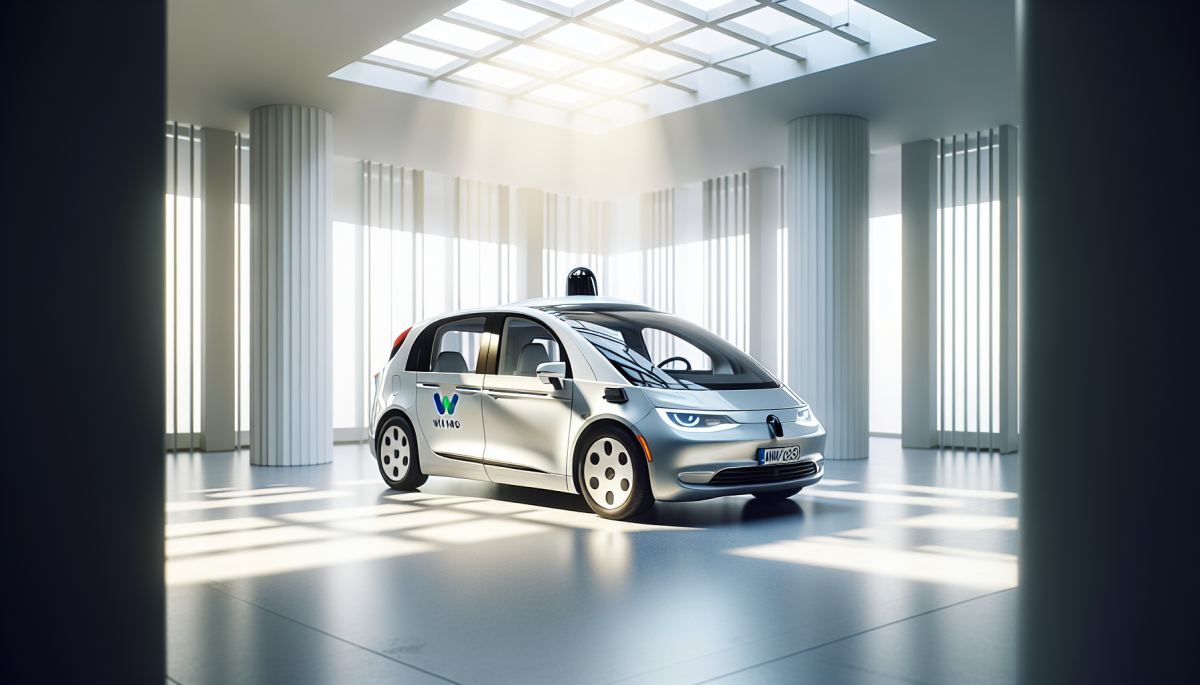
Half a million rides a week. That is the number Waymo announced on Thursday, revealing that its fully driverless robotaxi service has doubled its weekly ridership in under a year. The figure is not just a corporate milestone — it is a signal that autonomous vehicle technology has crossed a threshold that many analysts once assumed was still years away. The question worth asking now is not whether robotaxis work, but what happens to everything built around the assumption that they never would.
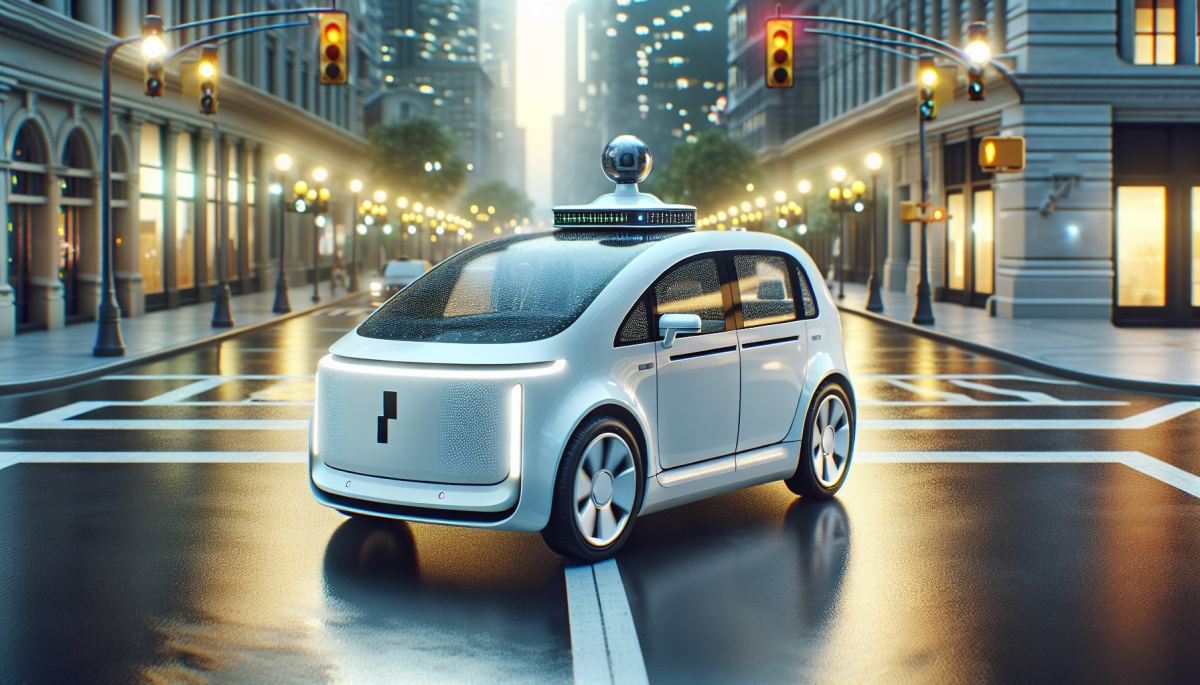
Waymo currently operates in San Francisco, Los Angeles, Phoenix, and Austin, with expansion plans that have been accelerating alongside its ridership numbers. The company, a subsidiary of Alphabet, has spent well over a decade and an estimated $3.5 billion in disclosed funding rounds building toward this moment. Unlike competitors that stumbled or retreated — most notably Cruise, which suspended operations in 2023 after a serious safety incident — Waymo has pursued a methodical, data-heavy approach to deployment, expanding geofenced zones incrementally rather than rushing into uncontrolled environments. That patience now looks like a strategic moat.
The doubling of ridership in under a year is not simply a function of more cars on more roads. It reflects something more interesting: a feedback loop between trust and usage. Early adopters in San Francisco reported novelty and occasional anxiety. But as the service became routine, word-of-mouth normalized it. Riders who once filmed their driverless trips for social media now just scroll their phones like they would in any cab. That behavioral normalization is arguably more important than the technology itself, because public trust is the rate-limiting factor in autonomous vehicle adoption, not engineering.
The number that does not appear in Waymo's announcement is the one that will matter most to labor economists: how many human driving jobs are displaced per 500,000 weekly rides. The U.S. Bureau of Labor Statistics counted roughly 1.5 million people employed as ride-hailing drivers and taxi operators as of recent years, a workforce that skews toward immigrants, part-time workers, and people using gig income as a financial bridge. Waymo's current scale is still a rounding error relative to that workforce. But the trajectory is not.
Uber and Lyft, for their part, have been hedging. Both companies have existing partnerships or exploratory agreements with autonomous vehicle developers, recognizing that the platform layer — the app, the pricing algorithm, the customer relationship — may retain value even after the human driver disappears. Uber has already integrated Waymo rides into its app in Austin. That arrangement is quietly significant: it suggests the major ride-hailing platforms are positioning themselves as aggregators of autonomous fleets rather than fighting the transition. The second-order effect here is that gig workers, who were already denied employee status and benefits through years of legal battles, may find that the political and legal infrastructure they built to fight for rights becomes relevant just as the jobs themselves begin to evaporate.
Beyond labor, the 500,000-rides-per-week figure starts to stress-test assumptions baked into urban infrastructure. Cities designed around parking minimums, for instance, assumed that most vehicles would sit idle for 95 percent of their lives. A robotaxi fleet optimized for continuous deployment does not need parking in the same way — it needs charging corridors, maintenance depots, and curb access. San Francisco has already experienced friction between Waymo vehicles and emergency responders, cyclists, and transit buses, prompting the city to engage in ongoing negotiations with the company over operational rules.
Insurance markets are also being quietly repriced. Traditional auto insurance is built on actuarial models tied to human error, which accounts for over 90 percent of crashes according to the National Highway Traffic Safety Administration. As autonomous miles accumulate without the same error profile, insurers will need new frameworks — and the companies that build those frameworks first will hold significant pricing power over the entire industry.
Waymo's 500,000 weekly rides is a number that sounds like a success story, and in many ways it is. But it is also the early data point in a much longer curve — one that will reshape labor markets, city planning codes, insurance actuarial tables, and the basic geography of urban mobility. The companies, regulators, and workers who treat this moment as a distant future problem rather than a present-tense systems shift are the ones most likely to be caught off guard when the next doubling arrives.
References
- Hawkins, A.J. (2024) — Waymo is now completing 700,000 paid robotaxi trips per week
- National Highway Traffic Safety Administration (2023) — Critical Reasons for Crashes Investigated in the National Motor Vehicle Crash Causation Survey
- Conger, K. (2023) — Cruise Pauses Driverless Operations After Accident
- Boudette, N. (2023) — Uber and Waymo Partner to Offer Robotaxi Rides

Discussion (0)
Be the first to comment.
Leave a comment