
Every few years, nutritional science lands on a food that seems almost too convenient to be true. Wild blueberries may be the latest, but the evidence building around them is harder to dismiss than most. A sweeping new scientific review has positioned wild blueberries as a meaningful ally for cardiometabolic health, pointing to improvements in blood vessel function, blood pressure, cholesterol, blood sugar regulation, gut microbiome diversity, and even cognition. What makes this review notable is not just the breadth of those findings, but the timeline: some benefits appear to emerge within hours of consumption, while others accumulate over weeks of regular intake.
That dual-speed mechanism is worth pausing on. The acute effects, particularly improvements in endothelial function, the ability of blood vessels to dilate and respond to demand, suggest that polyphenols in wild blueberries are biologically active almost immediately after digestion. The longer-arc benefits, including shifts in cholesterol profiles and gut microbiome composition, point to something more structural happening over time. This is not a supplement delivering a single compound at a clinical dose. It is a whole food whose complex matrix of anthocyanins, flavonoids, and fiber appears to work through several overlapping pathways simultaneously.
The distinction between wild and cultivated blueberries matters more than most consumers realize. Wild blueberries, primarily harvested in Maine and Eastern Canada, are smaller, more densely pigmented, and contain a significantly higher concentration of anthocyanins per gram than their cultivated counterparts. That deeper pigmentation is not cosmetic. Anthocyanins are the plant's own stress-response compounds, produced in greater quantities when a plant grows in harsher, less managed conditions. A cultivated blueberry grown in optimized soil with irrigation is, in a sense, a more comfortable berry. A wild one has been competing for survival.
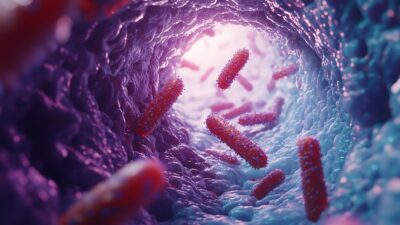
This matters because the cardiometabolic benefits identified in the review are largely attributed to polyphenol load, and wild varieties simply carry more of it. Researchers have been circling this territory for over a decade, but the accumulation of randomized controlled trials and mechanistic studies has reached a point where the signal is difficult to attribute to chance or confounding. The gut health findings are particularly interesting from a systems perspective: anthocyanins are poorly absorbed in the small intestine, meaning a substantial portion reaches the colon largely intact, where gut bacteria metabolize them into bioactive compounds that then re-enter circulation. The berry, in other words, is partly feeding the microbiome, and the microbiome is finishing the metabolic work.
Nutritional reviews rarely stay contained to the laboratory. When credible evidence accumulates around a specific food, it tends to move markets, shift agricultural incentives, and occasionally distort the very research ecosystem that produced the findings. The wild blueberry industry, concentrated in Maine and Atlantic Canada, is already a significant economic force, and increased scientific attention will likely accelerate investment in both production and research funding, some of which flows back to the same institutions publishing the studies. That feedback loop does not invalidate the science, but it is worth naming.
More consequentially, the gut-heart axis findings open a genuinely underexplored frontier. If wild blueberries improve cardiometabolic markers partly by reshaping microbial populations in the colon, then their benefits are not just nutritional but ecological, in the sense that they are modifying a living system inside the body. This reframes how we might think about dietary interventions for cardiovascular disease more broadly. Rather than targeting a single biomarker with a single compound, the more durable strategy may involve feeding the microbial communities that regulate inflammation, lipid metabolism, and vascular tone over the long term.
Cardiovascular disease remains the leading cause of death in the United States, and the gap between what clinical nutrition science knows and what most Americans eat remains vast. Wild blueberries will not close that gap alone. But the review's findings suggest that the mechanisms connecting diet, the microbiome, and heart health are more tightly coupled than previously understood. As researchers continue to untangle those connections, the humble wild blueberry may end up being less of a superfood story and more of a systems biology case study in how whole foods interact with human physiology in ways that isolated nutrients simply cannot replicate.
References
- Basu et al. (2010) — Blueberries Decrease Cardiovascular Risk Factors in Obese Men and Women
- Cassidy et al. (2016) — Higher dietary anthocyanin and flavonol intakes are associated with anti-inflammatory effects
- Vendrame et al. (2011) — Six-Week Consumption of a Wild Blueberry Powder Drink Increases Bifidobacteria
- Wallace et al. (2020) — Anthocyanins and Human Health


Discussion (0)
Be the first to comment.
Leave a comment