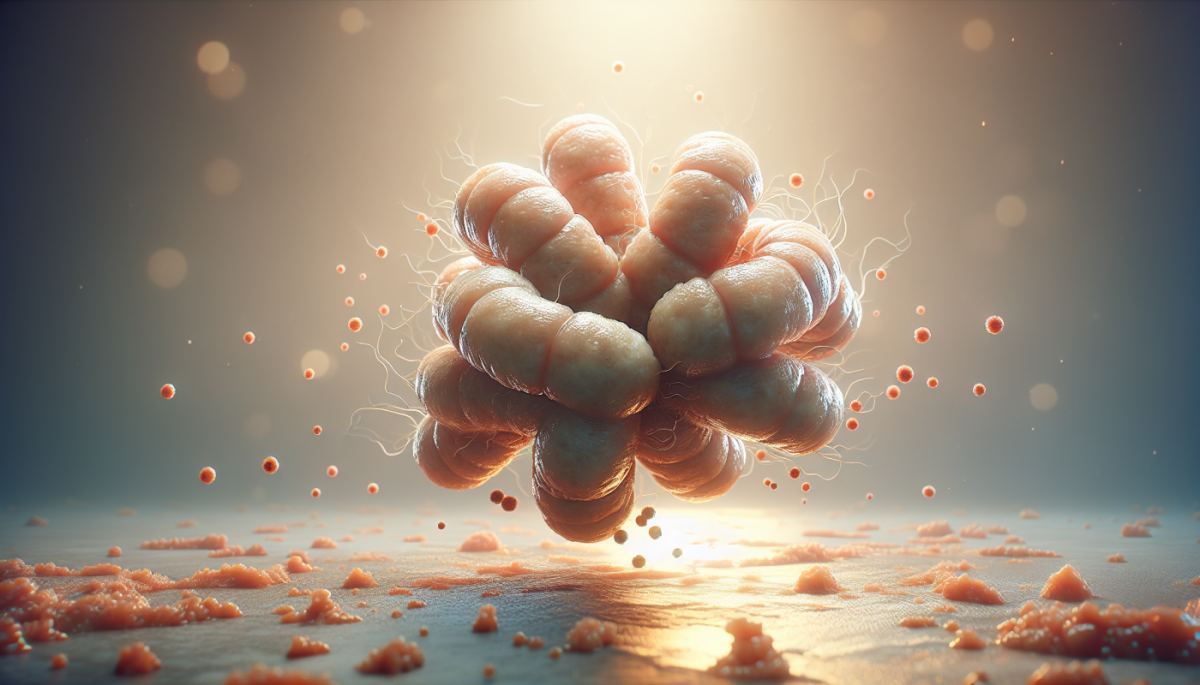
Something unexpected is living in the digestive tracts of stronger people, and it is not a protein shake. A new study has identified a striking correlation between the abundance of a gut bacterium called Roseburia inulinivorans and measurable muscle strength in both mice and humans, adding a genuinely surprising chapter to the fast-moving science of the gut-muscle axis.
The findings do not yet explain how the bacterium does what it appears to do. Researchers have confirmed the correlation but the mechanism remains elusive, which is precisely what makes this discovery so scientifically interesting and so easy to misread. Correlation in microbiome research has a long and humbling history of failing to survive the leap to causation. And yet the fact that the signal appeared across two species simultaneously is not something scientists typically dismiss without a second look.
The idea that the gut microbiome influences skeletal muscle is no longer fringe science. Over the past decade, researchers have established that gut bacteria produce short-chain fatty acids, modulate systemic inflammation, and influence nutrient absorption in ways that plausibly affect how muscles grow, repair, and perform. Roseburia inulinivorans fits neatly into this broader picture. It is a butyrate-producing bacterium, meaning it ferments dietary fiber into butyrate, a short-chain fatty acid with well-documented anti-inflammatory properties and a known role in gut barrier integrity.
Butyrate is interesting here because inflammation is one of the primary enemies of muscle function. Chronic low-grade inflammation, the kind that accumulates quietly with age, poor diet, or sedentary behavior, is closely associated with sarcopenia, the progressive loss of muscle mass that affects hundreds of millions of people globally and drives enormous downstream costs in healthcare and disability. If Roseburia inulinivorans is producing butyrate at higher levels in people with greater muscle strength, the chain of inference, while not yet proven, is at least mechanistically plausible.
What researchers have not yet untangled is the direction of the relationship. Does a more abundant population of this bacterium cause stronger muscles, or do people who are already stronger, perhaps because they exercise more or eat more fiber, simply create a gut environment where Roseburia inulinivorans thrives? Exercise is itself one of the most powerful known modulators of microbiome composition. Regular physical activity increases microbial diversity and specifically promotes the growth of butyrate-producing species. The correlation, in other words, might be pointing at a third variable sitting quietly behind both.
That ambiguity matters enormously for what comes next. The pharmaceutical and supplement industries have a well-documented tendency to sprint ahead of the science when a microbiome story gains traction. Probiotic products targeting athletic performance already occupy significant shelf space in gyms and health food stores, most of them built on evidence far thinner than what this study provides. A finding linking a specific bacterium to muscle strength in two species will almost certainly accelerate commercial interest in Roseburia inulinivorans as a probiotic candidate, regardless of whether the mechanism has been established.
The more consequential second-order effect, however, may play out in aging research. If the gut-muscle connection proves causal and actionable, it reframes sarcopenia not purely as a musculoskeletal problem but as a microbial one, at least in part. That shift in framing could redirect research funding, clinical trial design, and ultimately treatment pathways for one of the most costly and underappreciated conditions associated with aging. Dietary interventions that feed Roseburia inulinivorans, primarily inulin-rich foods like chicory, garlic, and leeks, are already safe, cheap, and widely available. A proven mechanism could make them medically significant overnight.
There is also a subtler implication for how we think about physical fitness itself. If microbial composition is a meaningful contributor to muscle strength, then two people following identical training programs and diets might achieve meaningfully different results based on what is living in their gut. That is a variable that conventional exercise science has barely begun to account for, and it suggests that personalized approaches to fitness, already gaining ground through genetic testing, may eventually need to incorporate microbiome profiling as well.
The researchers have handed the scientific community a genuinely interesting thread to pull. Whether it leads to a breakthrough in muscle medicine or quietly joins the long list of microbiome correlations that never quite became cures will depend on the hard mechanistic work still ahead. But the question itself, of whether strength is partly a product of digestion, is one that would have seemed absurd not long ago. That it now seems worth asking seriously is itself a kind of progress.


Discussion (0)
Be the first to comment.
Leave a comment