The electric vehicle market has spent years promising mass affordability while consistently delivering it only to wealthier buyers. Two announcements cutting through the noise this week suggest that calculus may finally be changing, though the path forward is far more complicated than a simple price drop.
Rivian, the adventure-oriented EV maker that built its reputation on expensive trucks and SUVs, is now staking its future on the R2, a smaller, more accessible vehicle designed to bring the brand within reach of mainstream buyers. For a company that has burned through capital at a remarkable pace while producing vehicles that start well above $70,000, the R2 represents something close to an existential pivot. Rivian cannot survive as a niche luxury brand indefinitely. The R2 is the company's attempt to prove it can manufacture at volume and at a price point that actually moves units.
What makes Rivian's situation particularly instructive is how it mirrors the broader tension inside the American EV industry. Building a compelling, premium electric vehicle is hard. Building one that ordinary families can afford, while maintaining the margins needed to keep the lights on, is a different engineering problem entirely. Rivian has the brand loyalty and the design credibility. What it has lacked is the manufacturing efficiency and the supply chain discipline that lower price points demand. The R2 launch will test whether the company absorbed those lessons from its turbulent early production years, or whether the same bottlenecks that plagued the R1T rollout will resurface at higher volumes.
The stakes extend beyond Rivian's balance sheet. If the R2 succeeds, it validates the idea that a startup EV brand can climb down the price ladder without collapsing under the weight of its own cost structure. If it stumbles, it hands ammunition to critics who argue that only legacy automakers with decades of manufacturing infrastructure can realistically deliver affordable electric vehicles at scale.
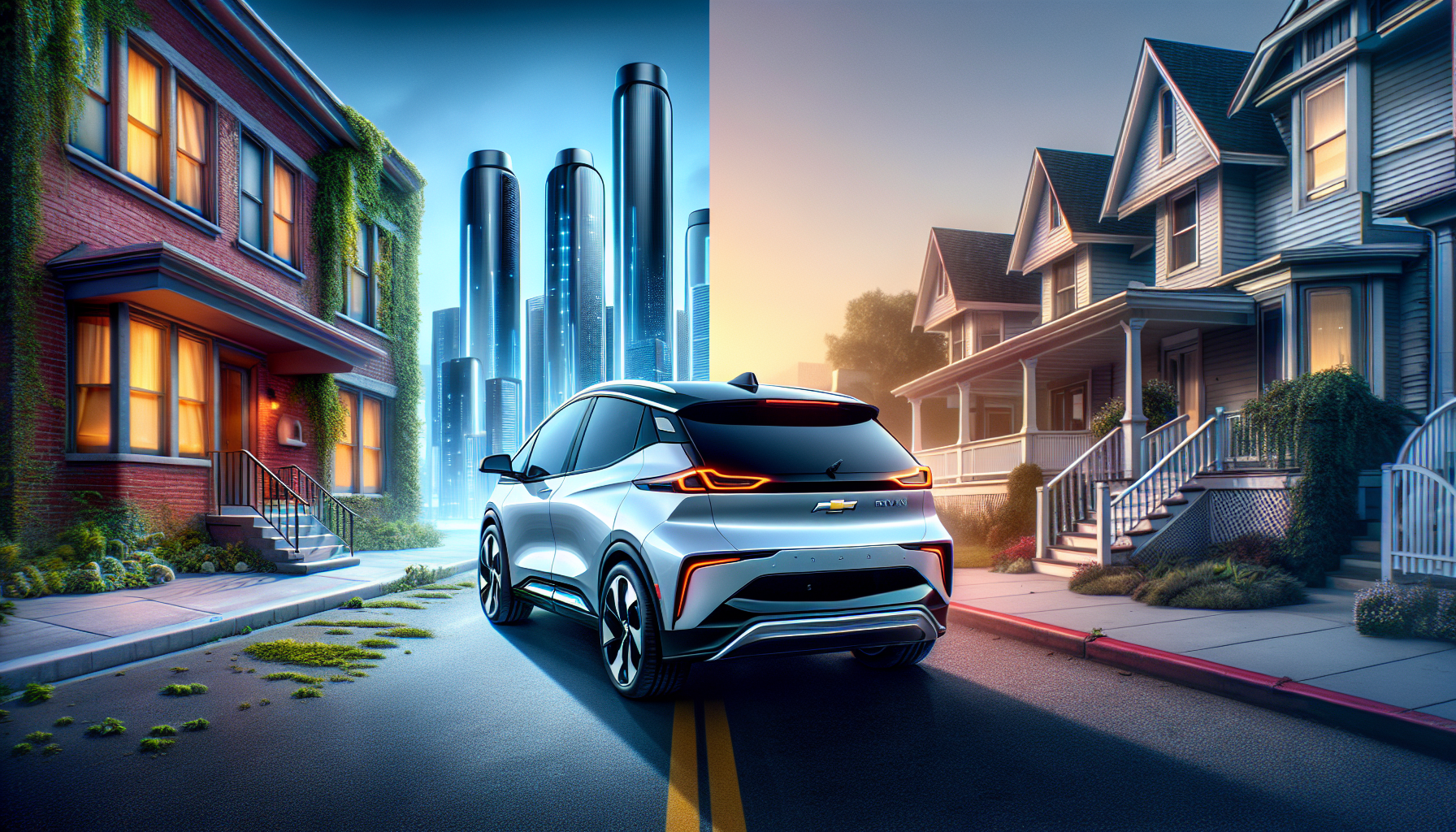
Which brings us to the 2027 Chevy Bolt EV, a vehicle that carries its own symbolic freight. General Motors killed the original Bolt, then reversed course and brought it back, a decision that looked erratic at the time but now reads as a grudging acknowledgment that the affordable end of the EV market is not a problem to be solved later. The reworked Bolt that journalist Mack recently drove represents GM leaning into its manufacturing advantages, the very strengths that Rivian is still trying to build.
Early impressions of the 2027 Bolt suggest a vehicle that feels more refined than its predecessor, with updates that address some of the criticisms that followed the original through its production run. For GM, the Bolt is less a profit center than a strategic placeholder, a way to maintain presence in the entry-level segment while the company's broader EV portfolio matures. That is not a glamorous role, but it is a necessary one.
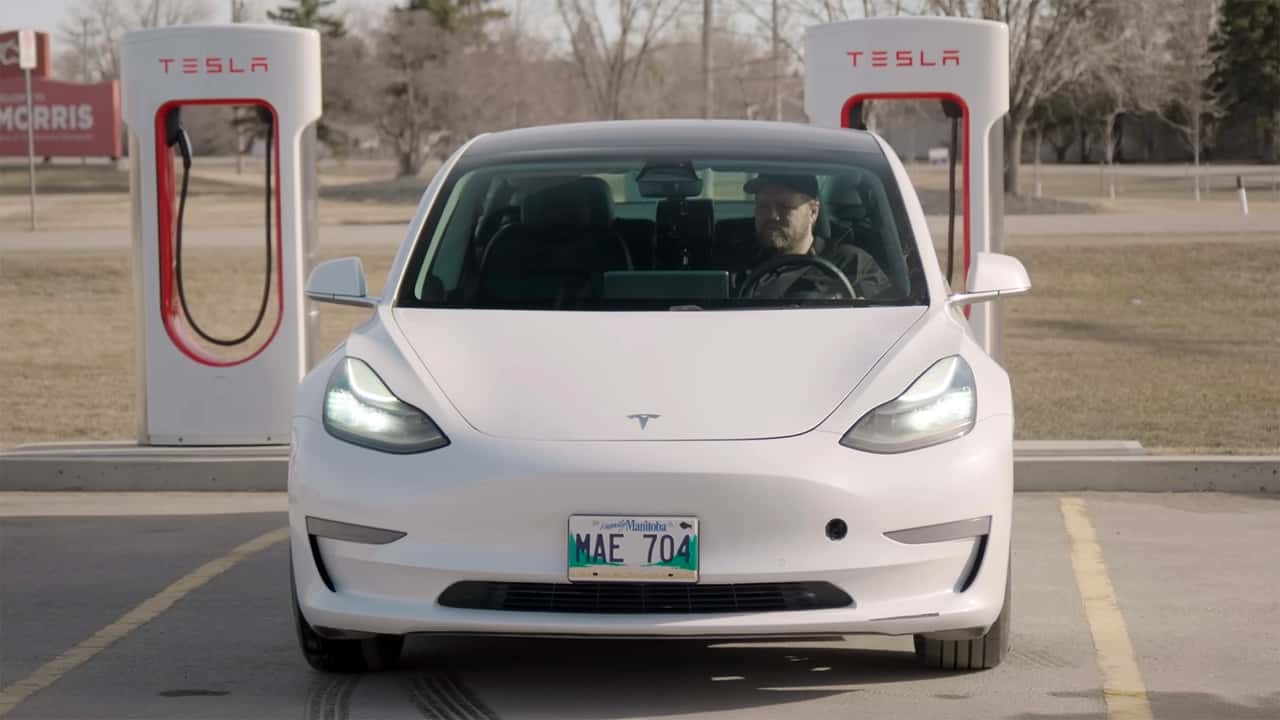
The deeper systems dynamic at play here is one of competitive pressure creating a feedback loop that ultimately benefits consumers, though not on a smooth or predictable timeline. Rivian entering the more affordable segment puts pressure on GM to sharpen the Bolt's value proposition. GM's manufacturing scale and dealer network put pressure on Rivian to deliver on quality and reliability. Tesla's dominance across multiple price points puts pressure on both. Each competitive move reshapes the incentives for the others, and the cumulative effect is a market that is slowly, unevenly, but genuinely moving toward broader accessibility.
The second-order consequence worth watching is what happens to the used EV market as more affordable new options arrive. A credible $40,000 R2 or a refreshed Bolt at a competitive price point does not just attract new EV buyers. It also softens residual values on older, pricier models, which in turn makes those vehicles more accessible to buyers who could never afford them new. Affordability in the new car market has a way of cascading downward, and the used market is where most Americans actually buy their vehicles.
The question hanging over both the R2 and the Bolt revival is not whether affordable EVs are possible. It is whether the companies building them can survive long enough, and execute consistently enough, to let the market dynamics they are setting in motion actually play out.

Discussion (0)
Be the first to comment.
Leave a comment