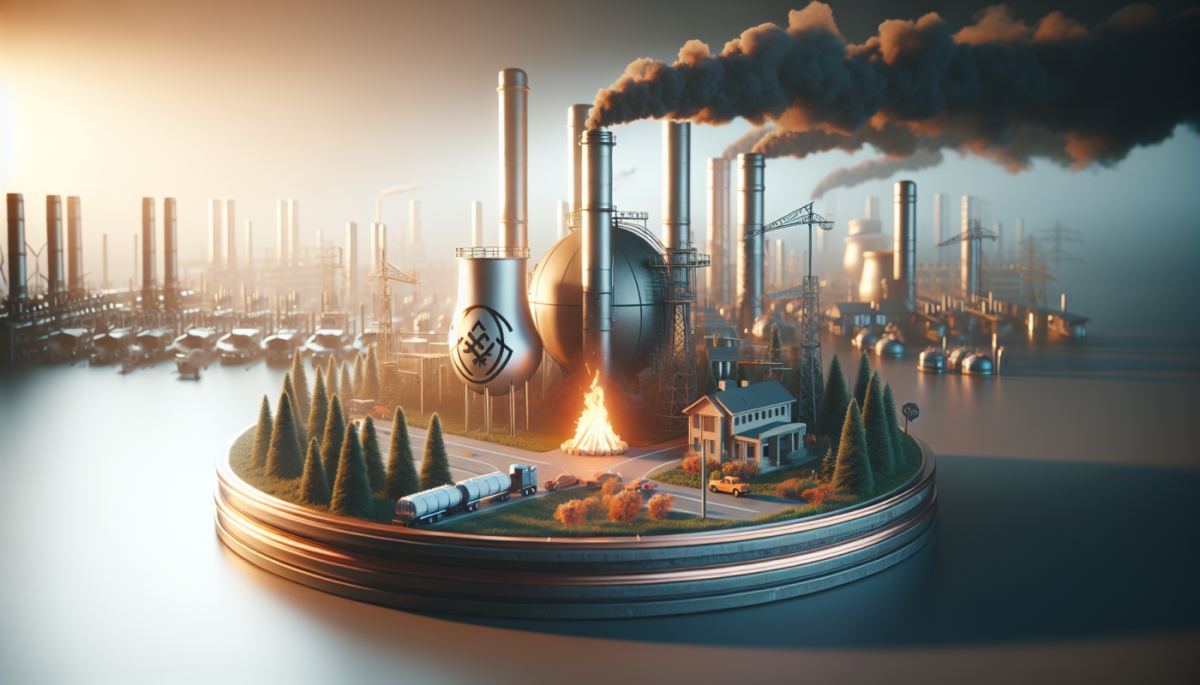
Something significant is moving through American legislatures, and it is not a climate bill. Across multiple states, lawmakers are advancing legislation that would strip courts of the power to hold fossil fuel companies legally accountable for climate-related damages. These bills, framed in the language of economic protection and legal fairness, represent the newest and perhaps most structurally consequential front in the long war over climate litigation.
The logic behind the bills is straightforward, at least on its surface. Proponents argue that energy companies should not be held liable for the downstream consequences of a product that was legal to sell, widely used by consumers, and implicitly sanctioned by decades of government policy. It is the same argument the tobacco industry once made, and the same argument that courts have spent years slowly, painstakingly dismantling. The difference now is that fossil fuel companies are not waiting for the courts to rule against them. They are going to legislatures first.
To understand why these bills matter, you have to understand what is actually at stake in climate liability litigation. Cities, counties, and states across the country have filed lawsuits against major oil and gas companies, arguing that these corporations knew for decades that their products were warming the planet, concealed that knowledge, and continued to profit while communities absorbed the costs of floods, wildfires, and extreme heat. Honolulu, Baltimore, and dozens of other municipalities are pursuing cases that legal scholars describe as among the most consequential environmental litigation in American history.
These cases have survived years of procedural battles over jurisdiction, with courts repeatedly affirming that they belong in state courts rather than federal ones, a distinction that matters enormously because state courts tend to be more favorable to plaintiffs in tort cases. The fossil fuel industry has fought every procedural inch of this terrain. Now, with the litigation finally maturing toward the discovery phase, where internal company documents could become public, the industry appears to be pursuing a legislative shortcut.
Bills that ban liability lawsuits for climate change do not just protect companies from future verdicts. They retroactively reshape the legal landscape in ways that could extinguish cases already in progress. That is not incidental to the strategy. It is the point.
The most obvious effect of these bills, if they pass and survive constitutional challenge, is that fossil fuel companies would operate in a zone of legal immunity that almost no other industry enjoys. Pharmaceutical companies can be sued for harms caused by approved drugs. Automakers face liability for design defects in legal vehicles. The idea that an entire sector could be insulated from tort law because its product was commercially legal is a genuinely radical departure from how American liability law has functioned.
But the second-order consequences run deeper. Climate litigation has functioned, in part, as a mechanism for forcing disclosure. The discovery process in these cases has the potential to surface internal research, executive communications, and strategic documents that could reshape public understanding of what the industry knew and when. Liability shields would not just protect companies from damages. They would protect the documentary record from ever becoming public. In that sense, these bills are as much about information control as they are about financial exposure.
There is also a chilling effect to consider. If states successfully immunize fossil fuel companies from climate liability, it signals to other industries facing long-tail harm litigation, from plastics manufacturers to agrochemical companies, that the legislative route is available when the judicial one becomes threatening. The precedent, if established, does not stay contained to oil and gas.
For the municipalities that have invested years and significant legal resources into these cases, a successful liability shield law would represent not just a legal defeat but a fiscal one. The costs of climate adaptation, the seawalls, the flood insurance gaps, the emergency response infrastructure, do not disappear because a lawsuit is dismissed. They simply get redistributed back onto local taxpayers and public budgets already under strain.
What is unfolding is a race between two timelines: the pace at which climate litigation matures toward consequential rulings, and the pace at which industry-aligned legislatures can erect legal barriers before those rulings arrive. Which timeline wins will shape not just who pays for climate damages, but whether accountability for them is even legally conceivable in the United States.
Discussion (0)
Be the first to comment.
Leave a comment