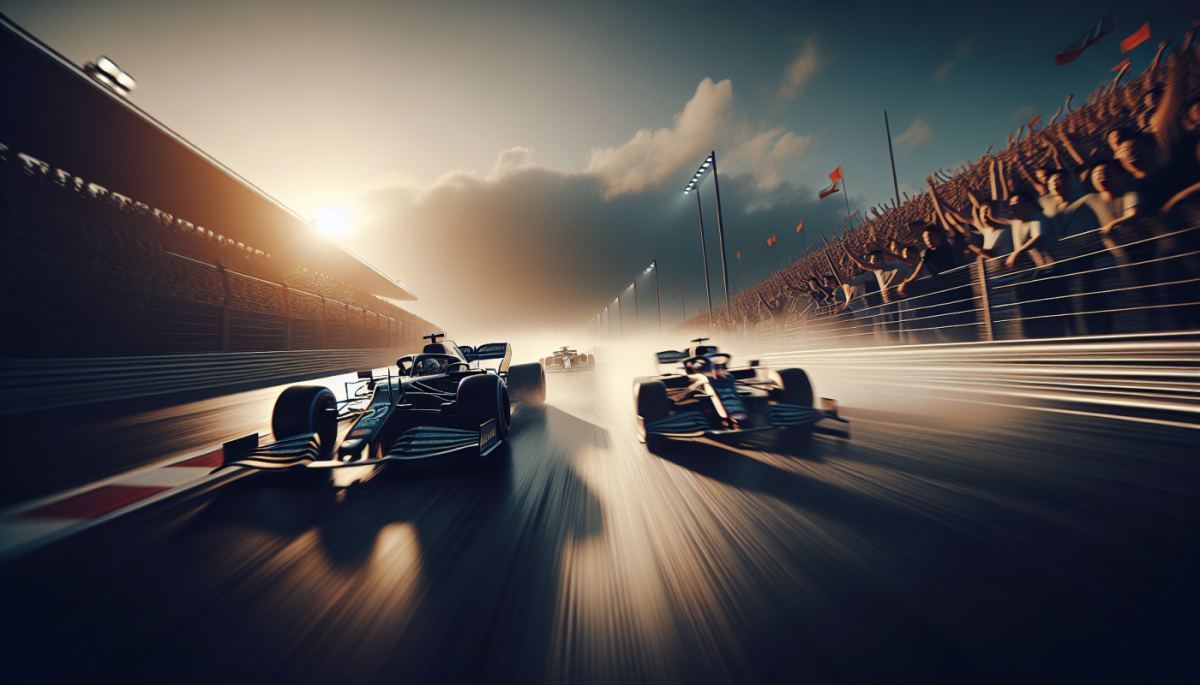
The grandstands in Shanghai were full. Not politely full, not optimistically full, but genuinely, visibly, overwhelmingly full in a way that caught even seasoned paddock observers off guard. For a sport that spent years treating China as a checkbox on a calendar rather than a market worth cultivating, the scenes at the Shanghai International Circuit carried a significance that went well beyond the racing itself.
Formula 1 returned to China after a five-year absence — a gap carved out first by pandemic restrictions, then by logistical hesitation — and what it found waiting was an audience that had not lost interest. If anything, the time away had compressed demand. The sprint weekend format, which condenses competitive action into a tighter schedule, gave fans more to watch across fewer days, and the crowds responded with an energy that the sport's commercial leadership will be studying carefully.
There is something worth examining in the specific alchemy of a sprint weekend and why it seems to land differently with newer or returning audiences. Traditional grands prix ask fans to invest across three separate sessions before the main event even begins. The sprint format collapses that investment window. Action arrives faster, stakes feel higher sooner, and the emotional payoff is front-loaded in a way that suits both the casual viewer and the person who has traveled a significant distance to be there in person.
China's motorsport audience is not monolithic. It includes longtime fans who followed the sport through the Schumacher and Alonso eras on state broadcaster CCTV, a younger generation shaped almost entirely by the Netflix series Drive to Survive, and a growing cohort of fans attached to specific drivers rather than teams or constructors. That last group is particularly significant. Driver-first fandom, which Formula 1 has actively encouraged through its social media strategy and documentary content, tends to generate the kind of loud, visible, merchandise-wearing attendance that fills grandstands and photographs well. Shanghai had all of it at once.
The commercial feedback loop here is not subtle. Full grandstands produce images that travel globally on social media within minutes. Those images reach potential fans in other markets and reinforce the idea that Formula 1 is a live event worth attending, not merely a broadcast product worth streaming. Attendance drives visibility, visibility drives interest, and interest eventually drives attendance somewhere else. The sport has understood this dynamic intellectually for years. In Shanghai, it appeared to be experiencing it in real time.
Beyond the spectacle, the density of those grandstands carries a more pointed message about where Formula 1's growth ceiling actually sits. European markets, which have historically anchored the sport's calendar and its commercial identity, are largely saturated. The passionate fan in Silverstone or Monza is already a passionate fan. The person in Shanghai who has never attended a grand prix before represents something more valuable to a sport in expansion mode: an unconverted believer.
China's broader sports consumption habits are shifting in ways that favor exactly what Formula 1 is now selling. Live event attendance, premium experiences, and internationally branded spectacle have all grown as aspirational categories among urban Chinese consumers over the past decade. Formula 1, with its combination of technological theater, global celebrity, and carefully managed exclusivity, fits that appetite in a way that few other international sports properties can match.
The risk, of course, is that the sport mistakes a packed house for a permanent condition. Chinese sporting audiences have shown before that they can arrive in force and then redirect their attention when the novelty fades or when a locally resonant storyline disappears from the competition. Formula 1 currently has no Chinese driver on the grid, a fact that the sport's leadership is aware of and that several junior development programs are quietly working to address. Without that narrative anchor, sustaining the emotional investment of a domestic audience across seasons rather than events becomes a genuine strategic challenge.
The grandstands in Shanghai were full this weekend. The more consequential question is what the sport builds on top of that fact before the next time it comes back.
Discussion (0)
Be the first to comment.
Leave a comment