More than half of American adults report feeling lonely, isolated, or lacking meaningful companionship, according to survey data from the American Psychological Association. This is not a fringe statistic buried in academic literature. It is a portrait of daily life for tens of millions of people who are, by every technical measure, more connected than any generation in human history. They carry smartphones. They maintain social media profiles. They send dozens of messages a day. And yet something essential is missing.
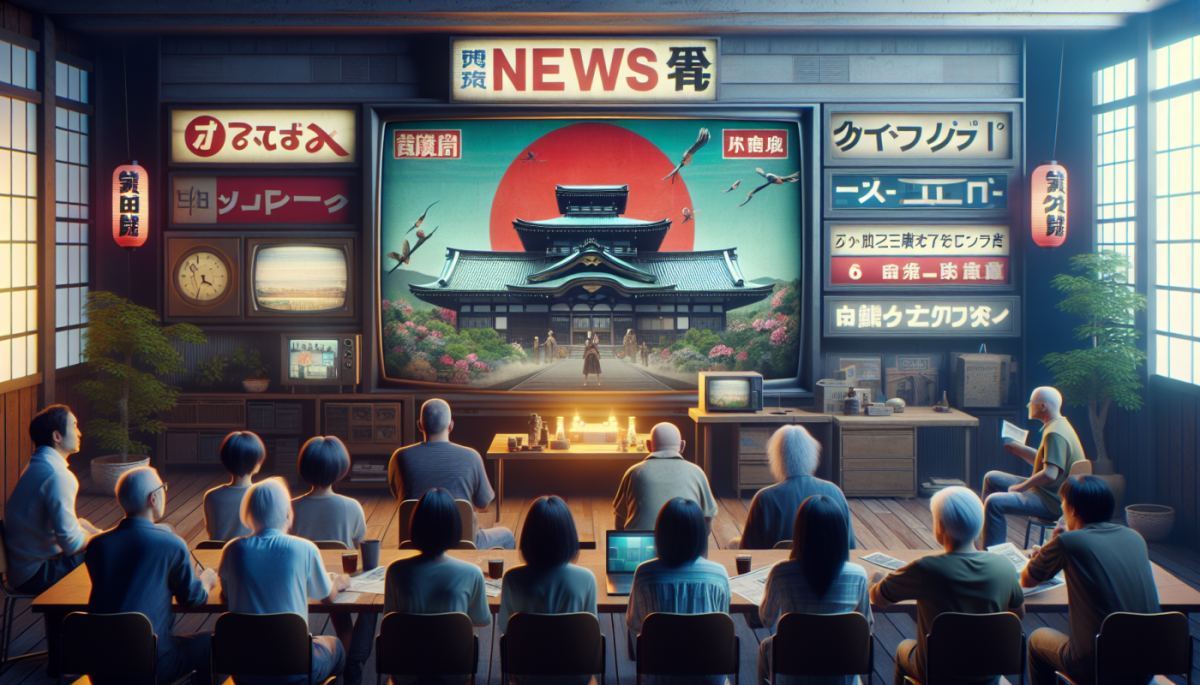
The Blue Zones Project, a community wellbeing initiative inspired by the research of National Geographic Fellow Dan Buettner, has been watching this contradiction for years. Its researchers have long studied the world's longest-lived populations, from Sardinia to Okinawa, and one pattern keeps surfacing: the people who live longest do not just eat well or exercise regularly. They belong to something. In Okinawa, that something has a name: moai.
A moai, in its original form, is a small group of five or so friends who commit to meeting regularly throughout their lives, sharing resources, emotional support, and a sense of mutual obligation. The word itself roughly translates to "meeting for a common purpose." These groups were not designed as wellness interventions. They emerged organically from Okinawan village culture as a practical support network, a way of pooling resources during hard times. But researchers studying Okinawan longevity began to notice that moai membership correlated strongly with lower stress, longer life, and greater reported happiness. The social bond, it turned out, was doing biological work.
Six communities participating in the Blue Zones Project are now formally piloting moai-style social groups as a structured public health strategy. The initiative asks participants to commit to regular in-person gatherings, shared activities, and the kind of low-stakes accountability that makes showing up feel expected rather than optional. The APA survey of 3,000 adults that informed the project's approach found that the hunger for real, in-person, emotional connection is growing precisely as online interaction becomes more dominant and, for many people, more exhausting.
This is not a coincidence. Researchers studying social media behavior have documented what some call a "connection paradox": platforms optimized for engagement tend to reward conflict, performance, and comparison rather than intimacy. The comments sections that fuel divisiveness, the debates that generate heat without light, the curated highlight reels that make other people's lives look frictionless. None of this is the same as sitting across from someone who knows your actual circumstances and shows up anyway. The moai model is structurally different because it is small, consistent, and reciprocal. It is harder to perform for five people you see every week than for five hundred followers you will never meet.
The Blue Zones communities adopting this model are betting that structure can substitute, at least partially, for the organic social fabric that modern life has frayed. People do not stumble into lifelong friend groups the way they once might have through stable neighborhoods, multigenerational workplaces, or religious institutions. The moai framework offers a scaffold: a reason to gather, a small enough group to feel safe, and enough repetition to build genuine trust over time.
The implications of this experiment extend well beyond individual wellbeing. Loneliness has been linked in peer-reviewed research to increased risk of cardiovascular disease, cognitive decline, and premature death, with some studies suggesting the health impact is comparable to smoking fifteen cigarettes a day. If structured social connection can meaningfully reduce isolation at a community level, the downstream effects on healthcare costs, workforce productivity, and civic participation could be substantial. A town where people feel genuinely known by their neighbors is also, research suggests, a town more likely to vote, volunteer, and extend trust across social differences.
There is also a feedback loop worth watching. Communities that successfully build social cohesion tend to attract residents who value that cohesion, which deepens it further. The Blue Zones Project has documented this dynamic in places like Albert Lea, Minnesota, and Fort Worth, Texas, where early wellbeing initiatives created visible cultural shifts that made healthy and connected behavior feel normal rather than effortful.
The real test of the moai pilot will not be whether participants enjoy the groups, most people enjoy belonging to things. It will be whether the habit persists after the formal program ends, whether the groups develop the self-sustaining quality that made their Okinawan counterparts last for decades. If they do, six American towns will have quietly demonstrated something that no wellness app has managed: that the oldest social technologies are sometimes the most durable ones.


Discussion (0)
Be the first to comment.
Leave a comment