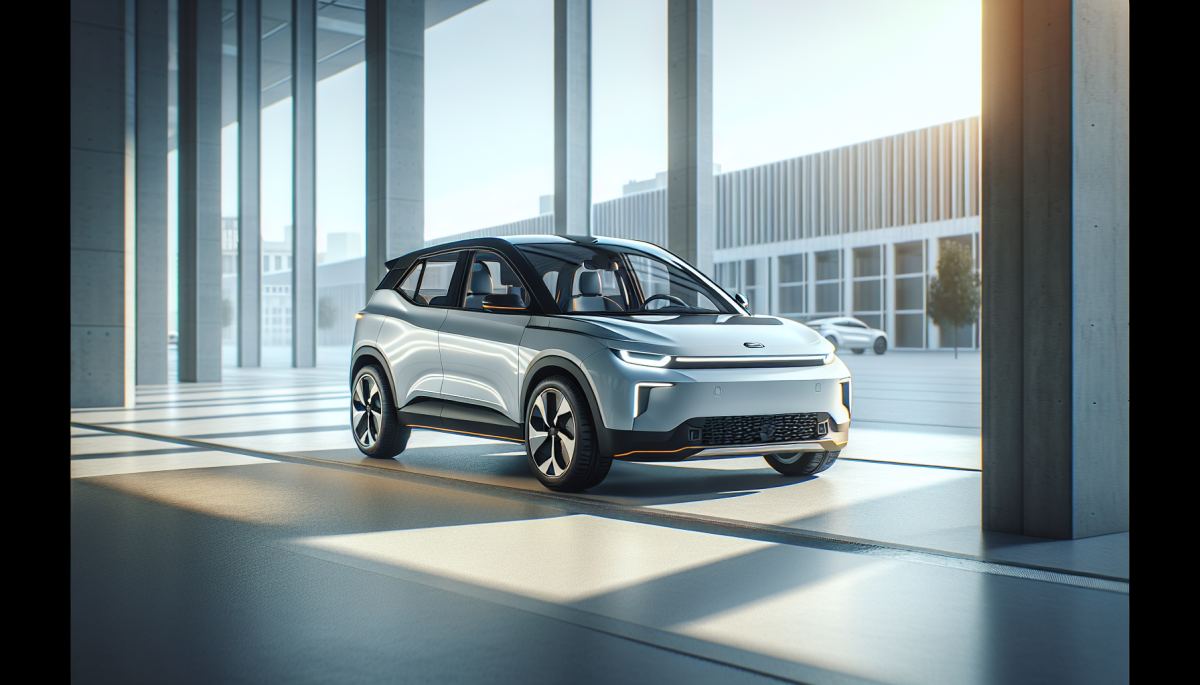
Tesla's reputation was built on aspiration. The Model S was a status symbol, the Model 3 a stretch purchase for the upper-middle class, and even the Model Y, now the world's best-selling car, sits comfortably above $40,000 in most configurations. But according to recent reporting, Tesla is now developing a Chevy Bolt-sized compact electric SUV aimed squarely at buyers who have been priced out of the EV market entirely. If accurate, this represents one of the most consequential product decisions the company has made in years.
The Chevy Bolt is a meaningful benchmark. General Motors sold the Bolt for as little as $26,500 before eventually discontinuing it in 2023, only to announce its return after overwhelming consumer demand made clear that affordable EVs have a real and underserved market. A Tesla-branded vehicle in that size and price class would not just compete with the Bolt's successor or the Nissan Leaf. It would fundamentally alter the psychology of EV adoption, because Tesla's brand carries a weight that GM and Nissan simply cannot replicate in the same way.
The EV industry has been caught in a stubborn paradox. Automakers know that mass adoption requires mass-market pricing, yet the cost of battery packs, software integration, and manufacturing complexity has kept entry-level EVs either underpowered, under-featured, or both. Tesla itself shelved earlier plans for a more affordable vehicle, sometimes referred to internally as the Model 2, amid concerns about whether it could be produced profitably at a low enough price point. The reemergence of these plans, now reportedly centered on a compact SUV form factor rather than a sedan, suggests the company believes it has found a path through that cost barrier.
The SUV choice is telling. American consumers have voted with their wallets for years, consistently choosing crossovers and SUVs over sedans regardless of powertrain. The Bolt, despite its virtues, was always fighting the body-style preference of the average buyer. A compact SUV from Tesla would remove that friction entirely, offering the practicality people actually want at a price point closer to what they can actually afford. It is a rare alignment of market demand and strategic necessity.
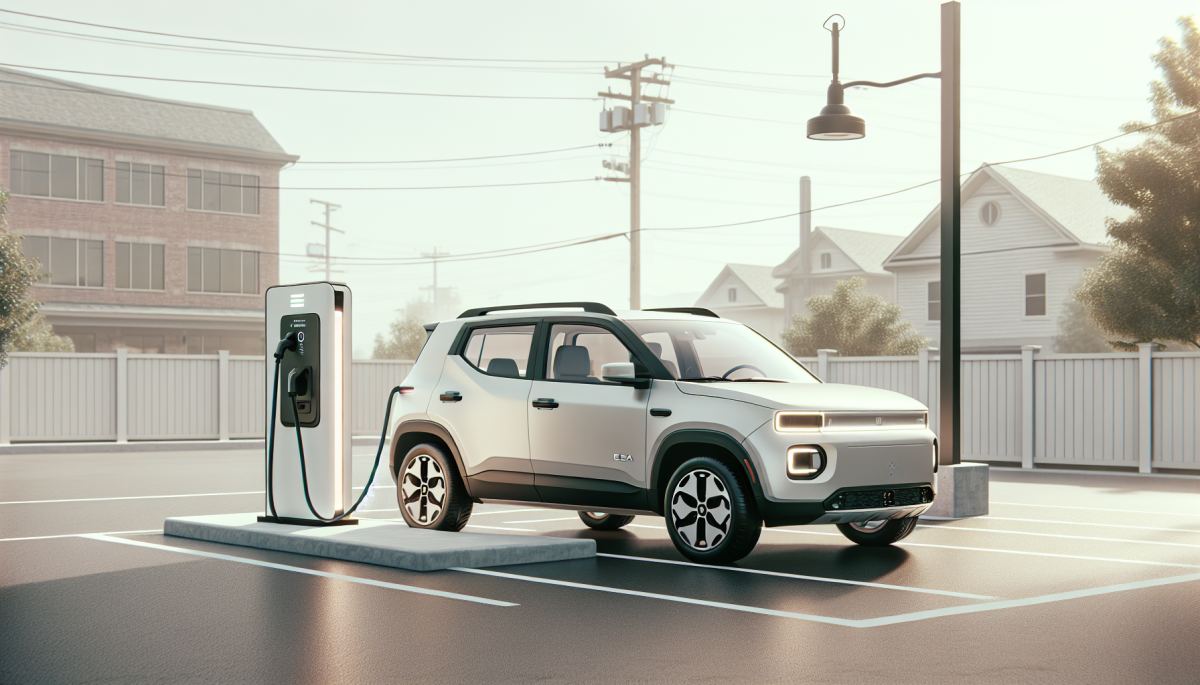
There is also a policy dimension here that deserves attention. The Inflation Reduction Act's EV tax credit of up to $7,500 applies to vehicles under specific price caps, with SUVs qualifying at up to $80,000 and sedans capped lower. A compact Tesla SUV priced around $30,000 would sit well within that threshold, potentially bringing the effective out-of-pocket cost below $25,000 for eligible buyers. That is a number that genuinely competes with internal combustion vehicles on sticker price, not just total cost of ownership.
The ripple effects of a successful affordable Tesla SUV would extend well beyond the company's own balance sheet. Consider what happens to the used EV market. One of the persistent barriers to EV adoption among lower-income buyers is that used EVs carry battery degradation uncertainty and lack the resale value predictability of used gas cars. A flood of new, affordable Teslas would eventually create a robust used market for those vehicles, pushing EV access further down the income ladder in ways that no new-car program can achieve on its own.
There is also the charging infrastructure feedback loop to consider. Tesla's Supercharger network is widely regarded as the best in North America, and the company has been opening it to non-Tesla vehicles. A larger Tesla owner base, driven by a lower-priced entry point, means more revenue flowing into Supercharger expansion, which in turn makes EV ownership more viable for everyone. Affordable access and infrastructure investment reinforce each other in a cycle that the industry has struggled to initiate at scale.
For legacy automakers, the pressure would be acute. Ford, GM, Hyundai, and others have been navigating the painful transition to EVs while managing legacy costs, union contracts, and investor skepticism. A Tesla compact SUV that genuinely undercuts them on price while outperforming them on software and charging would compress the window they have to establish their own affordable EV lineups. The competitive clock, already ticking, would accelerate.
What remains to be seen is whether Tesla can actually deliver. The company has a well-documented history of ambitious timelines that slip. But the direction of travel matters as much as the arrival date. An EV market where the most aspirational brand is also competing at the entry level is a structurally different market than the one that exists today, and the downstream consequences of that shift are only beginning to come into view.

Discussion (0)
Be the first to comment.
Leave a comment