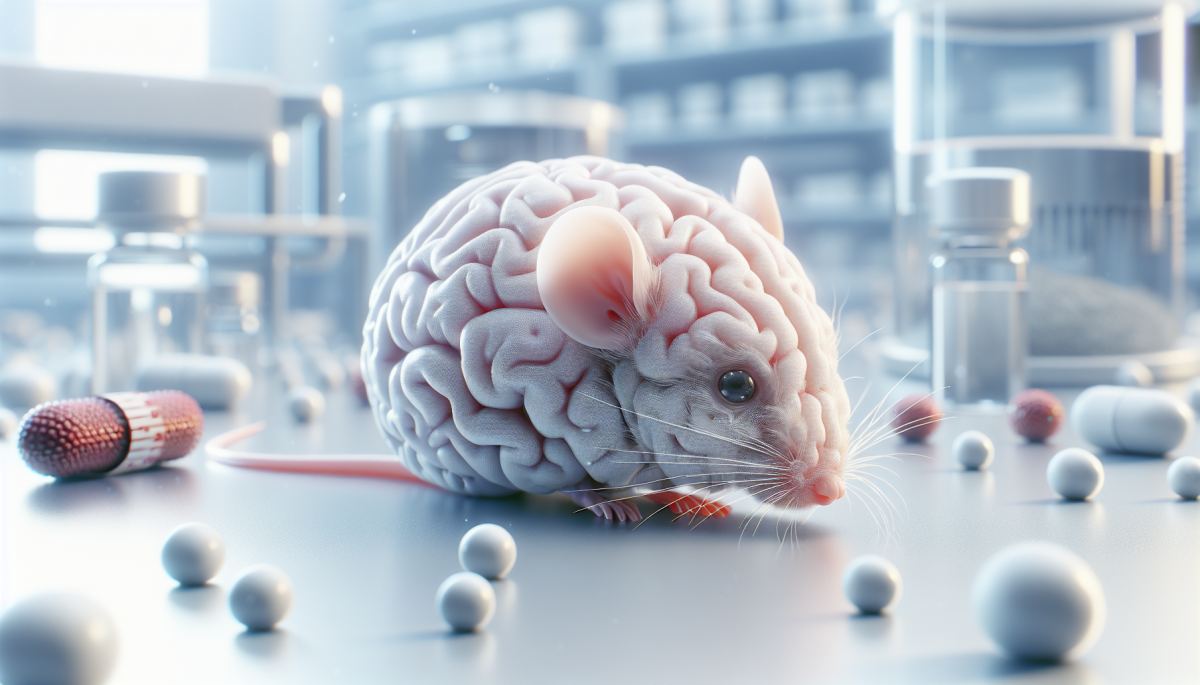
For decades, Alzheimer's disease research has been dominated by one stubborn hypothesis: that amyloid plaques accumulating in the brain are the primary villain. Billions of dollars and hundreds of clinical trials have chased that target, with results that have been, at best, modest. Now a study involving mice is drawing attention to a different lever entirely, one involving a neuropeptide called somatostatin and the immune cells that patrol the brain's interior.
The research centers on somatostatin, abbreviated SST, a signaling molecule produced by neurons that acts primarily on microglia, the brain's resident immune cells. When scientists overexpressed SST in mouse models of Alzheimer's disease, the results were striking enough to warrant serious attention: the intervention appeared to alleviate hallmarks of the disease. That finding matters not just because it worked in mice, but because of what it implies about the underlying biology that has been underappreciated for years.
Microglia are not passive bystanders. They are the brain's first responders, constantly surveying neural tissue, clearing debris, pruning synapses, and responding to injury or infection. In Alzheimer's disease, microglia become chronically activated in ways that appear to accelerate neurodegeneration rather than contain it. The question researchers have struggled to answer is what tips these cells from protective to destructive. SST, it turns out, may be a key part of that signaling conversation.
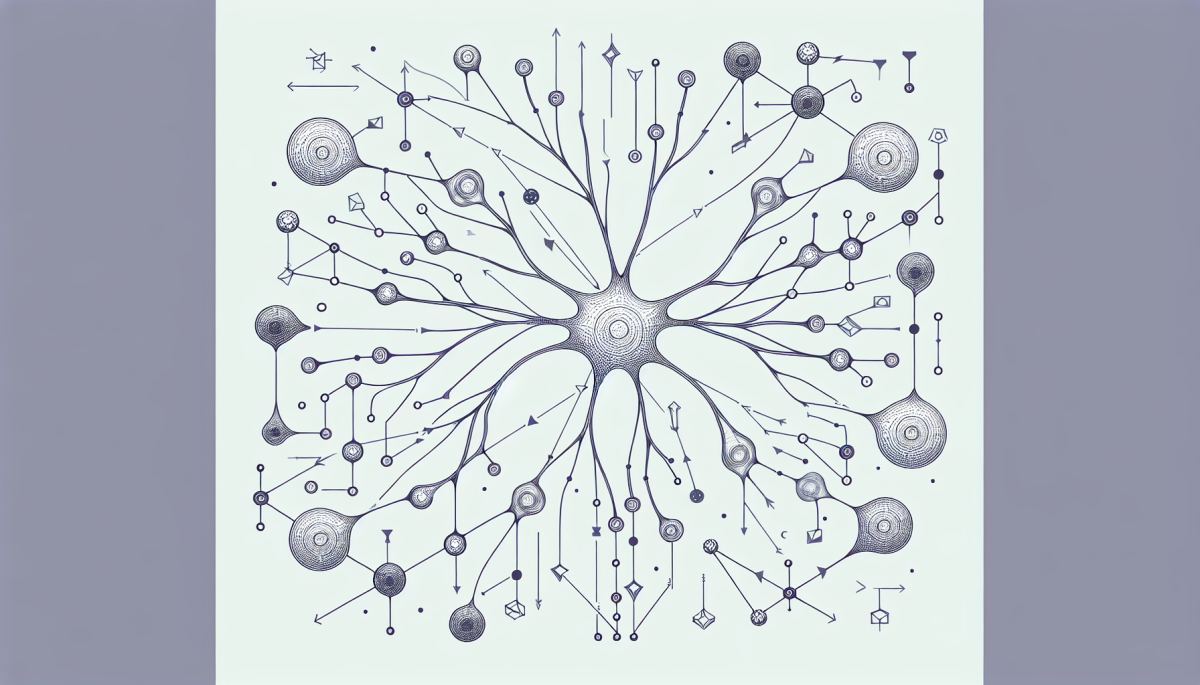
Somatostatin has been known to science for over fifty years, first identified as a hormone that inhibits growth hormone release from the pituitary gland. But its role in the central nervous system is considerably more complex. It functions as a neuromodulator, shaping how neurons and immune cells communicate. What the new research suggests is that when SST levels decline, as they do in aging brains and particularly in Alzheimer's patients, the regulatory brake it applies to microglial behavior is released. The result may be runaway neuroinflammation.
This framing connects to a broader shift happening across neuroscience. The field has been moving, sometimes reluctantly, away from a purely neuron-centric view of brain disease toward one that takes seriously the role of glial cells, immune signaling, and the brain's inflammatory environment. Large-scale genetic studies, including analyses of Alzheimer's risk genes, have repeatedly implicated microglial pathways. Genes like TREM2 and CD33, both associated with elevated Alzheimer's risk, are expressed almost exclusively in microglia. The SST finding slots into this emerging picture with unusual precision.
The practical implications are still distant. Mouse models of Alzheimer's have a notoriously poor track record of translating into human therapies. The biology is similar enough to be instructive but different enough to be humbling. Many interventions that cleared plaques or improved cognition in rodents failed completely or caused harm in human trials. Researchers working in this space are acutely aware of that history.
Still, the systems-level consequences of this line of research are worth thinking through carefully. If SST's relationship with microglial behavior proves to be a genuine regulatory axis in human Alzheimer's disease, it opens a therapeutic target that operates upstream of amyloid accumulation rather than downstream of it. That distinction is not trivial. Most approved or late-stage Alzheimer's drugs attempt to clear amyloid after it has already formed. An intervention that modulates the inflammatory environment in which amyloid becomes toxic would represent a fundamentally different strategy.
There is also a second-order consequence for how the field allocates research funding. The amyloid hypothesis has commanded an outsized share of Alzheimer's research dollars for thirty years, in part because it offered a clear, measurable target. As alternative pathways like neuroinflammation and glial signaling accumulate evidence, funding bodies including the National Institute on Aging face pressure to rebalance their portfolios. Each credible finding in a non-amyloid pathway makes that rebalancing slightly more defensible, and slightly more likely.
The deeper question is whether the brain's immune system, long treated as a secondary character in the Alzheimer's story, is actually closer to the center of the plot. If SST is one of the molecular switches governing how microglia behave across the lifespan, then the slow decline of SST in aging brains may be less a footnote and more a mechanism. That possibility, if it holds up in human tissue and eventually in clinical settings, would not just change how Alzheimer's is treated. It would change how it is understood.
References
- Bhatt et al. (2023) — Somatostatin and neuroinflammation in Alzheimer's disease
- Heneka et al. (2015) — Neuroinflammation in Alzheimer's disease
- Guerreiro et al. (2013) — TREM2 variants in Alzheimer's disease
- Hardy & Selkoe (2002) — The amyloid hypothesis of Alzheimer's disease
- Ransohoff (2016) — How neuroinflammation contributes to neurodegeneration



Discussion (0)
Be the first to comment.
Leave a comment