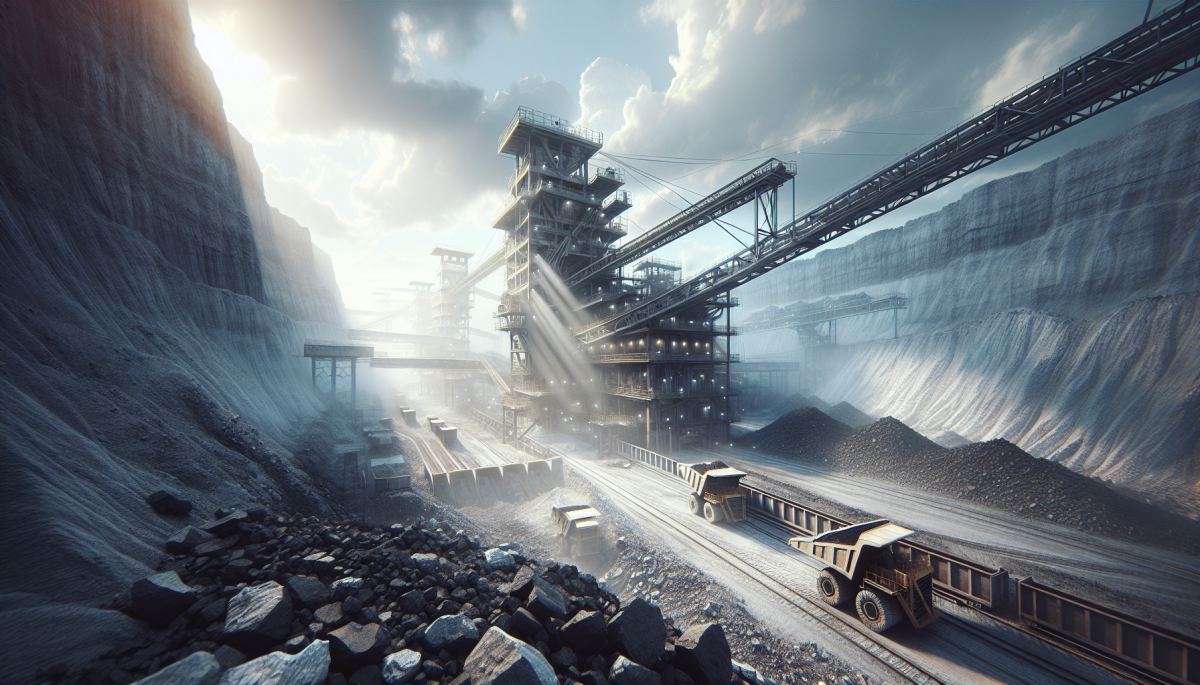
Coal was supposed to be in managed decline. The narrative was tidy: natural gas would serve as the bridge fuel, renewables would scale, and the world's dirtiest major energy source would be phased out through a combination of market forces and policy pressure. That story is now running into a stubborn counter-current. A tightening global market for liquefied natural gas is pushing utilities, grid operators, and industrial buyers back toward coal, and the rebound is happening fast enough to matter for emissions trajectories that the world can ill afford to revise upward.
The mechanics are straightforward, even if the consequences are not. LNG prices have remained elevated and supply has been constrained by a combination of factors: underinvestment in new liquefaction capacity during the pandemic years, the structural redirection of European demand following Russia's invasion of Ukraine, and weather-driven demand spikes in Asia. When gas becomes expensive or simply unavailable on short notice, coal-fired plants that were idled or running below capacity get called back into service. The marginal cost of burning coal is low once the plant is already built, and grid operators under pressure to keep the lights on are not in a position to be ideologically consistent.
Europe offers the clearest illustration of this dynamic. After scrambling to replace Russian pipeline gas in 2022, European nations reopened mothballed coal plants and extended the operating lives of others. Germany, which had committed to a coal phaseout by 2038 and briefly accelerated that timeline, reversed course and leaned on lignite to stabilize its grid. The continent's coal consumption ticked upward in ways that would have seemed politically unthinkable just a few years earlier. The emergency framing allowed governments to act without fully accounting for the precedent being set.
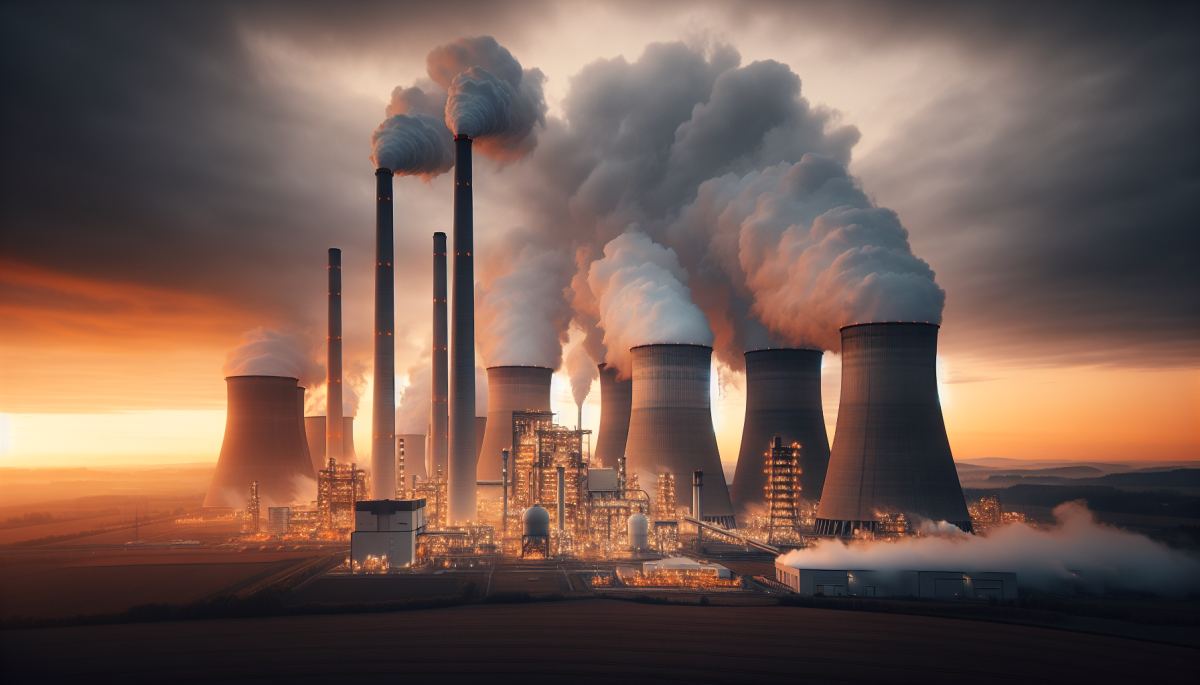
In Asia, the dynamic is less about emergency and more about structural demand growth colliding with LNG supply constraints. Countries like Bangladesh, Pakistan, and Vietnam had built or planned gas-fired power infrastructure on the assumption that LNG would be accessible and reasonably priced. When spot LNG cargoes became unaffordable during price spikes, those countries either suffered blackouts or turned to coal. India, meanwhile, has continued expanding coal capacity even as it pursues ambitious renewable targets, treating the two tracks as parallel rather than competing. China remains the world's largest coal consumer by a significant margin, and its appetite has not meaningfully declined.
The deeper problem here is infrastructure lock-in. Every coal plant commissioned today carries an operational lifespan of 30 to 40 years. Even if the economics of renewables continue to improve, the sunk costs and grid dependencies created by new coal infrastructure create powerful political and financial incentives to keep those plants running. The International Energy Agency has noted that to stay on a 1.5-degree pathway, no new unabated coal plants should be approved. The gap between that requirement and current investment decisions is not narrowing.
What makes this moment particularly consequential from a systems perspective is the feedback loop it threatens to activate. Higher coal consumption produces more emissions, which accelerates warming, which intensifies weather extremes, which drives up demand for heating and cooling, which tightens energy markets further, which makes the cheapest available dispatchable power, including coal, more attractive. The loop is not hypothetical. It is already visible in the data connecting heatwave-driven electricity demand spikes to coal dispatch rates in multiple grid systems.
There is also a second-order effect that receives less attention: the political economy of coal revival. When coal employment and coal-dependent regional economies get a reprieve, the constituency for phaseout policies weakens. Governments that had been inching toward stronger climate commitments find the domestic political calculus shifting. The LNG crunch did not just change the energy mix in the short term. It may be reshaping the political conditions under which long-term decarbonization policy gets made.
The irony is that the renewable buildout, which is genuinely accelerating in many markets, was supposed to reduce dependence on both gas and coal. But the transition is uneven, storage remains a bottleneck, and the gap between where grids are today and where they need to be is being filled by whatever fuel is available and cheap. Right now, in too many places, that fuel is coal. The question worth watching is not whether coal peaks, but whether the systems built around its revival outlast the crisis that justified them.
Discussion (0)
Be the first to comment.
Leave a comment