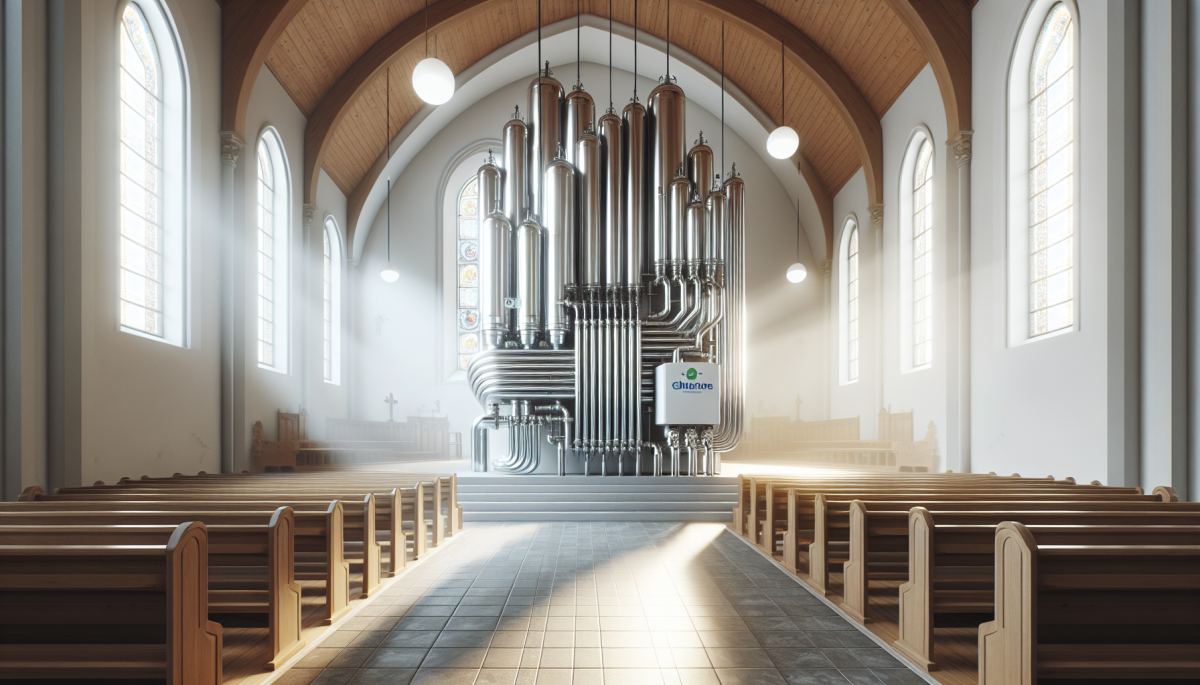
The Rev. Kurt Gerhard stood near the lectern at Christ Church Bronxville with something unusual beneath his feet: a living experiment in how America might wean itself off fossil fuels, one borehole at a time. Beneath the church and its adjacent parking lot, a network of pipes descends hundreds of feet into the earth, drawing warmth from the stable thermal mass of bedrock that sits largely indifferent to whatever weather arrives above ground. In March, when the chill still clung to the Hudson Valley, that underground heat was being pulled upward to warm the sanctuary. In summer, the process reverses, and the earth absorbs excess heat like a slow, geological sponge.
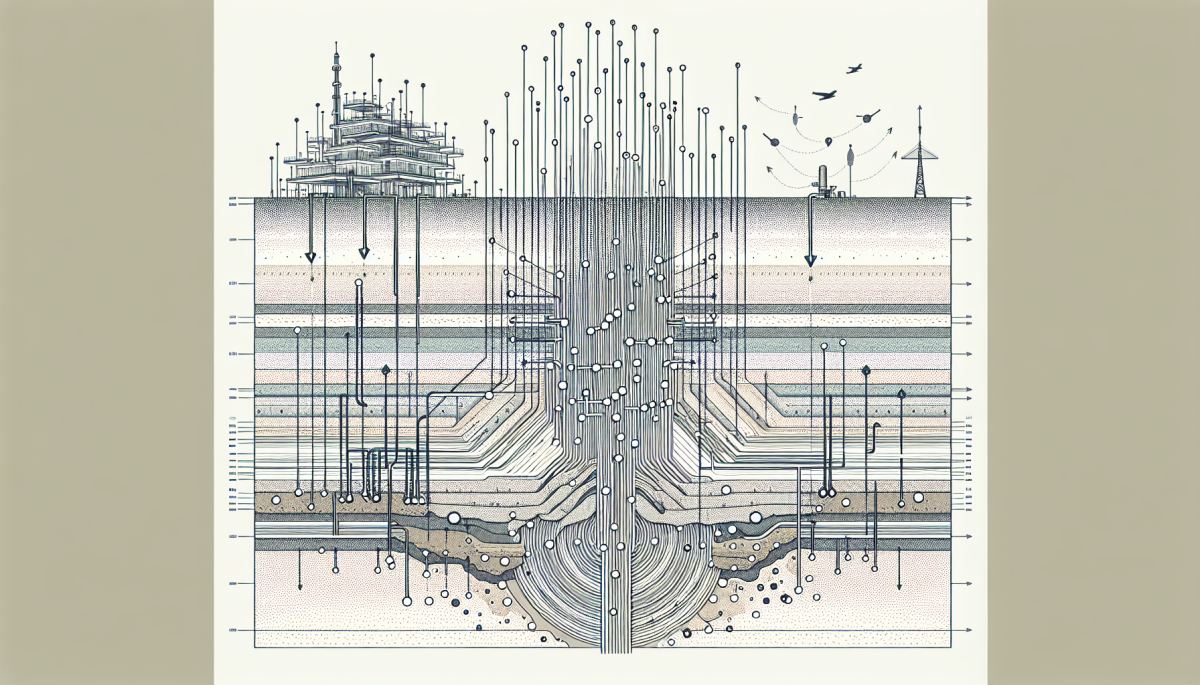
This is geothermal heating and cooling in its most practical, unglamorous form, and it is quietly becoming one of the more interesting infrastructure stories in the Northeast. Christ Church Bronxville is not a utility company or a government agency. It is a congregation that decided its values around stewardship of the environment demanded more than recycling bins in the fellowship hall. The decision to drill and install a ground-source heat pump system was as much theological as it was technical, which makes it an unusual but surprisingly powerful proof of concept.
Institutional buildings like churches occupy a peculiar and underappreciated position in the energy transition. They tend to be large, old, and expensive to heat. They are often located on parcels of land with parking lots or lawns that could accommodate borehole fields. And they are governed by boards and congregations that, unlike corporate shareholders, can be motivated by mission rather than quarterly returns. That combination makes them, in theory, ideal early adopters for technologies that require upfront capital and long payback periods.
Geothermal systems are not cheap to install. Drilling boreholes to depths of several hundred feet requires specialized equipment and carries real costs per foot. But once installed, ground-source heat pumps operate with remarkable efficiency, typically delivering three to four units of heat energy for every one unit of electrical energy consumed. Over a building's lifetime, the economics can be compelling, particularly as natural gas prices remain volatile and carbon pricing mechanisms inch closer to reality in New York State.
New York has been pushing hard on building decarbonization. The Climate Leadership and Community Protection Act, passed in 2019, commits the state to reducing greenhouse gas emissions 85 percent by 2050. Buildings account for roughly a third of New York's emissions, making them one of the central battlegrounds of that effort. The state has been exploring geothermal district systems, including a high-profile pilot in Ithaca, where the city has ambitions to build a networked geothermal grid serving multiple buildings through shared ground loops. Christ Church Bronxville operates on a smaller, single-site scale, but the principle is the same: use the earth as a thermal battery.
What makes this story worth watching is not the church itself but what it signals to the institutions around it. When a congregation in a prosperous Westchester suburb successfully installs geothermal infrastructure, documents its performance, and opens its doors to curious neighbors and municipal officials, it functions as a demonstration project that no government brochure can replicate. People trust what they can see and touch, and a working system in a familiar building carries a different kind of authority than a policy white paper.
The second-order consequence here is potentially significant. If other houses of worship, private schools, and community centers in the region follow suit, the cumulative demand for drilling contractors, heat pump manufacturers, and trained installers could help build out a local supply chain that currently barely exists in the Northeast. Geothermal adoption has historically been constrained not just by cost but by the scarcity of experienced installers and the unfamiliarity of lenders and insurers with the technology. Demonstration projects chip away at that unfamiliarity in ways that subsidies alone cannot.
There is also a zoning and permitting dimension that rarely gets discussed. Drilling boreholes in dense suburban and urban environments requires navigating local regulations that were written with no expectation that anyone would want to do this. Each project that successfully threads that needle creates a precedent and, often, a more streamlined path for the next applicant.
Rev. Gerhard's church may be a single congregation making a faithful bet on a technology that has existed for decades but never quite broken through at scale. But systems change rarely announces itself grandly. It tends to arrive quietly, through parking lots and boreholes, in places where someone decided the old way of doing things was no longer good enough.




Discussion (0)
Be the first to comment.
Leave a comment