
When an oil well stops being profitable, the question of who pays to clean it up rarely has a simple answer. In New Mexico, state officials and a whistleblower lawsuit are now pointing fingers directly at ExxonMobil and other major oil companies, alleging they systematically underreported financial liabilities by at least $194 million, effectively shifting the burden of aging, spent wells onto taxpayers and the land itself.
The lawsuit, which has drawn significant attention from environmental and fiscal watchdog groups, describes the alleged conduct not as a one-off accounting error but as "a playbook" — a deliberate, repeatable strategy through which large operators offload the costs of plugging and reclaiming old wells by obscuring the true scale of what they owe. At the center of the claim is a practice that critics say is endemic to the oil and gas industry: underreporting asset retirement obligations, the formal accounting term for the money a company is supposed to set aside to eventually decommission a well and restore the surrounding land.
Understanding why this matters requires a short detour into how oil well economics actually work. When a company drills a well, regulators typically require it to post a bond or demonstrate financial assurance that it can cover cleanup costs when the well reaches the end of its productive life. But those bond amounts are often set using outdated formulas, and the actual cost of plugging a well, removing equipment, and restoring a site can run from tens of thousands to several hundred thousand dollars per well. Multiply that across hundreds or thousands of wells, and the gap between what companies have set aside and what cleanup actually costs becomes staggering.
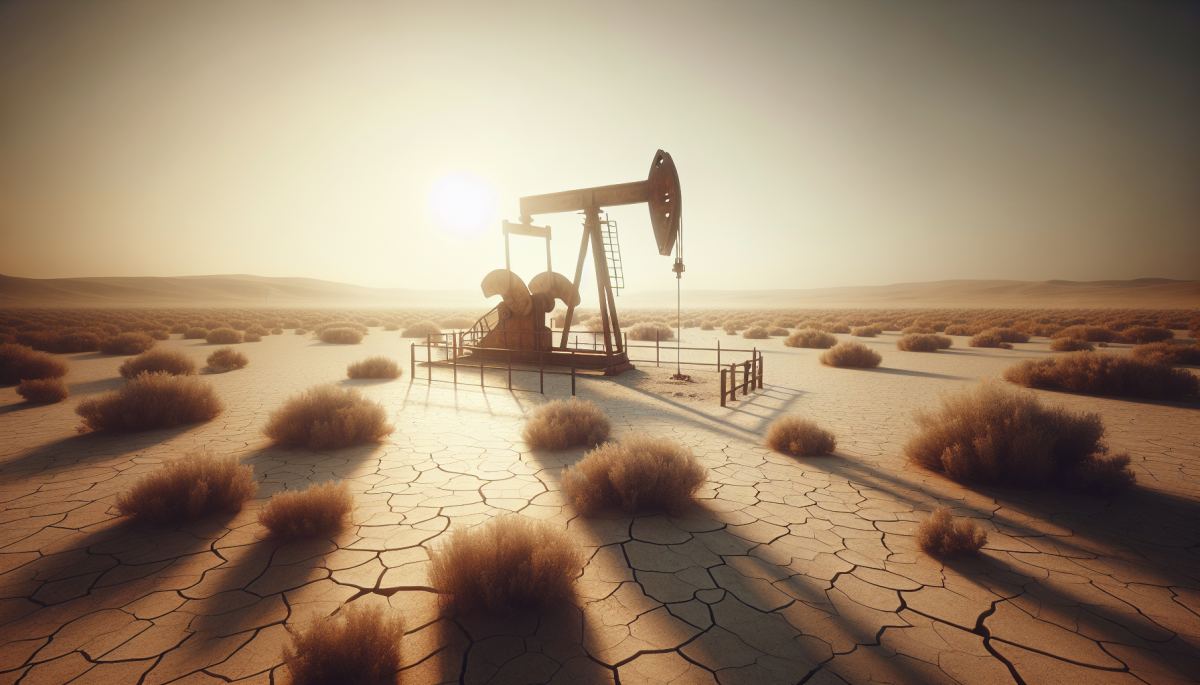
New Mexico is not alone in confronting this problem. Across the United States, the Interstate Oil and Gas Compact Commission has estimated that there are roughly 56,000 documented orphan wells — abandoned sites with no solvent owner left to pay for cleanup — with cleanup costs potentially running into the billions. The federal Government Accountability Office has repeatedly flagged the inadequacy of financial assurance requirements on federal lands. What the New Mexico lawsuit adds to this picture is the allegation that the underfunding is not merely a product of outdated regulation, but of active misrepresentation.
If the claims hold up in court, the implications ripple well beyond New Mexico's borders. Companies operating in multiple states using similar accounting methods could face scrutiny elsewhere. State regulators who have long accepted company-reported liability figures at face value may be forced to develop independent verification mechanisms, something most state oil and gas commissions currently lack the staffing or technical capacity to do.
The deeper systems dynamic here is one of deferred costs and misaligned incentives. Oil companies are rewarded by shareholders for maximizing near-term returns, and every dollar set aside for future well cleanup is a dollar not returned to investors today. Regulators, meanwhile, are often underfunded and politically constrained in states where the oil industry is a dominant economic force. New Mexico's government collected more than $12 billion in oil and gas revenues in fiscal year 2023 alone, making the industry both a fiscal lifeline and a politically sensitive target.
This creates a feedback loop that is difficult to break from the inside. The more dependent a state becomes on oil revenue, the harder it becomes for regulators to aggressively enforce cleanup obligations without triggering industry pushback. Companies learn, over time, that the cost of underreporting is low and the benefit is high, particularly if wells can be sold or transferred to smaller operators before the cleanup bill comes due. Those smaller operators, often thinly capitalized, eventually go bankrupt, and the well becomes an orphan.
What makes the New Mexico lawsuit potentially significant is that it names major, solvent operators rather than the small shell companies that typically end up holding the bag. Holding ExxonMobil and its peers directly accountable, if the court finds merit in the claims, could force a recalibration of how financial assurance is calculated and enforced industry-wide.
The second-order consequence worth watching is what happens to the bond reform movement already underway in several states. Advocates have been pushing for dynamic bonding systems that update required financial assurance in real time as wells age and production declines. A high-profile fraud finding in New Mexico could provide exactly the political momentum those efforts have been lacking, turning a slow-moving regulatory debate into an urgent legislative priority across oil-producing states.
The wells will need plugging eventually. The only question is who pays, and whether the law will finally make that answer harder to manipulate.
References
- U.S. Government Accountability Office (2019) — Oil and Gas: Interior Should Better Ensure Reclamation of Onshore Wells
- Interstate Oil and Gas Compact Commission (2023) — Orphan Well Overview
- New Mexico Legislative Finance Committee (2023) — Oil and Gas Revenues Fiscal Year 2023
- Raimi et al. (2021) — Decommissioning Orphaned and Abandoned Oil and Gas Wells
Discussion (0)
Be the first to comment.
Leave a comment