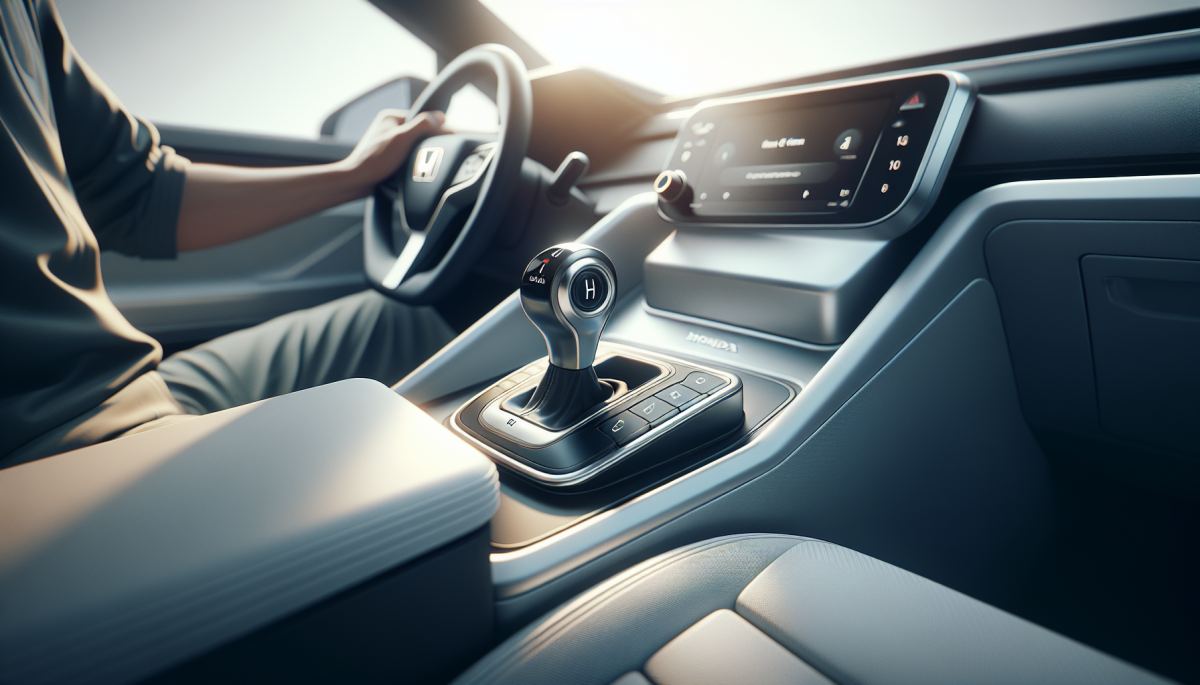
There is something quietly revealing about the fact that one of the most talked-about features in Honda's new Super-N electric vehicle is something that doesn't technically exist. The simulated gear-shifting system, built into what Honda is billing as a fun, affordable urban EV, is not moving any mechanical parts. It is performing nostalgia. And that performance, it turns out, may be exactly what a skeptical European car market needs right now.
The Super-N is set to go on sale in Europe later this year at a price under $27,000, positioning it as an accessible entry point into electric mobility without the sterile, appliance-like feel that has alienated a meaningful segment of driving enthusiasts. Honda has long understood that cars carry emotional weight far beyond their function as transportation, and the Super-N appears designed with that psychology front and center. The simulated gear shifts are a direct acknowledgment that the transition to EVs has, for many drivers, felt like a subtraction rather than an addition, a loss of tactile feedback, mechanical drama, and the sense of active participation in the act of driving.
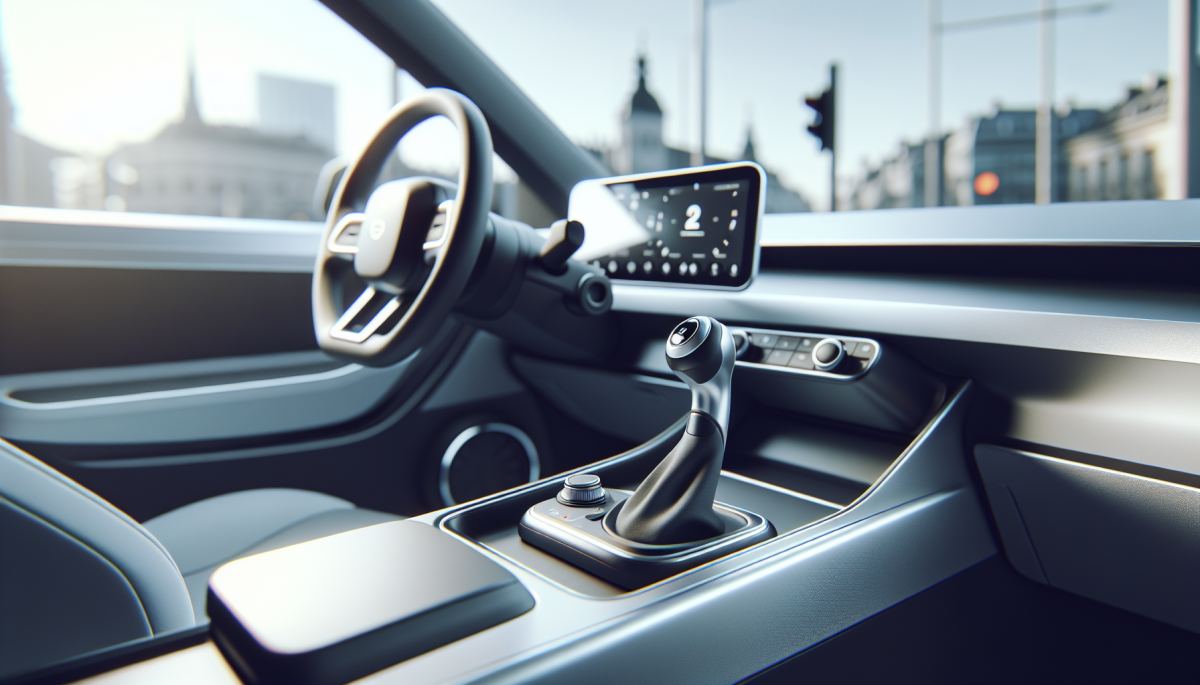
The EV industry has spent enormous energy solving range anxiety, charging infrastructure, and battery cost, all legitimate and critical challenges. But a quieter problem has received far less engineering attention: the sensory and emotional gap between combustion and electric driving. Torque delivery in EVs is instantaneous and linear, which is objectively impressive but experientially flat for drivers conditioned to the rhythm of gear changes. Several automakers have begun experimenting with artificial sound design and haptic feedback to address this, but Honda's approach with the Super-N goes further by embedding a simulated shift mechanism directly into the driving experience rather than layering it on as an afterthought.
This matters beyond the novelty factor. Europe's EV adoption curve has shown signs of strain, with several markets reporting slower-than-projected uptake even as governments push aggressive phase-out timelines for internal combustion engines. Price remains the dominant barrier, but driver experience and identity are underappreciated factors. A 2023 survey by the European Automobile Manufacturers' Association found that emotional attachment to driving dynamics ranked among the top concerns for consumers hesitant to switch. Honda appears to be reading that data seriously.
If the Super-N finds genuine traction in Europe, the ripple effects could reshape how the broader industry thinks about EV interface design. Right now, most automakers treat the cabin experience of an EV as a software and screen problem, pouring investment into infotainment and digital dashboards. Honda's bet is that the physical and haptic dimension of driving deserves equal engineering attention. A commercially successful Super-N would validate that thesis in a way that no amount of consumer research can, and competitors would be forced to respond.
There is also a subtler systems consequence worth considering. Simulated gear shifting, if it becomes a widespread feature, could actually slow the cultural normalization of EV driving rather than accelerate it. By recreating the sensations of combustion-era driving, automakers may be reinforcing the idea that the old way was the right way, making it harder for a genuinely new driving culture to emerge. It is the automotive equivalent of early automobiles being designed to look like horseless carriages, a transitional comfort that may eventually become a design constraint.
Honda has navigated identity transitions before. The company that built its reputation on efficient, reliable combustion engines has been threading a careful needle as it pushes toward electrification, trying to retain the enthusiasm of its existing customer base while attracting drivers who have never cared about engine notes or rev matching. The Super-N, with its cheerful design and its ghost of a gear lever, is a product that lives entirely in that tension.
Whether drivers will pay for the feeling of something that isn't there is the real question. If they do, it won't just be a win for Honda. It will be a signal that the emotional architecture of driving is a design space as consequential as the battery pack underneath it, and that the automakers who figure that out first will have an advantage that no amount of range improvement can easily replicate.
Discussion (0)
Be the first to comment.
Leave a comment