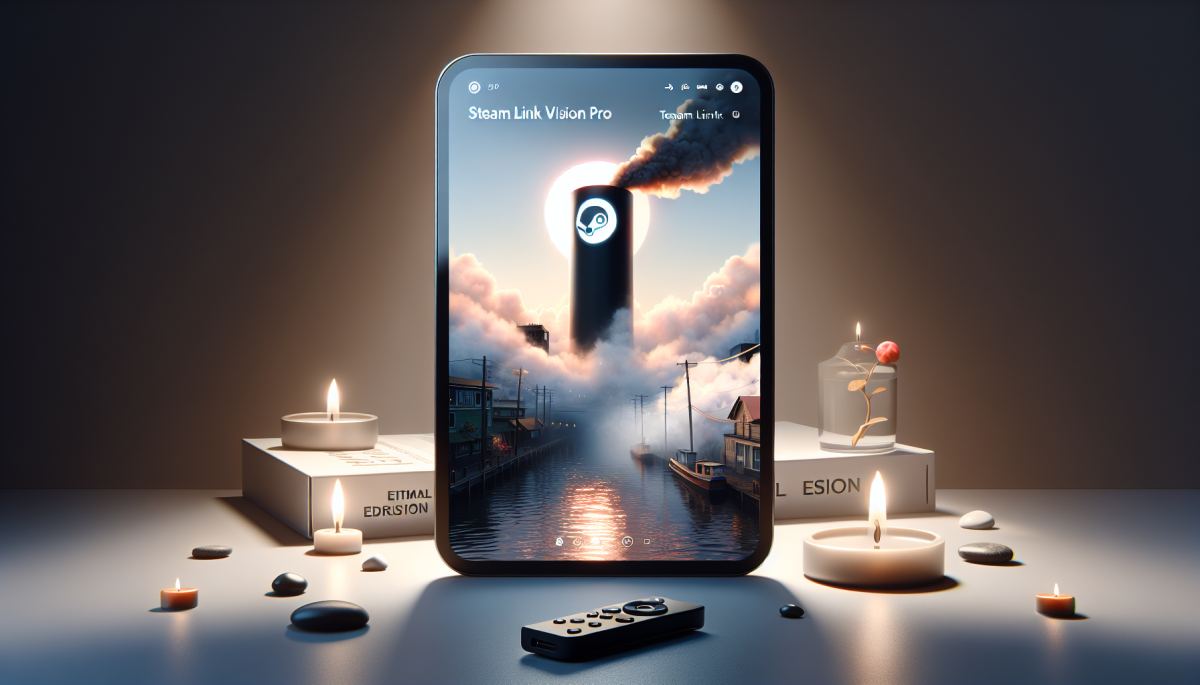
Valve has quietly done something that Apple's own ecosystem has struggled to accomplish: it made a sprawling PC gaming library feel at home inside a spatial computing headset. The company's native Steam Link app is now available on Apple's Vision Pro, giving users a direct, polished pipeline from their gaming PC to one of the most ambitious and expensive pieces of consumer hardware on the market. It is a small announcement in terms of word count, but the implications ripple outward in ways that neither company has fully articulated.
For context, Steam Link is not a new concept. Valve has offered the technology for years, allowing users to stream games from a host PC to other devices over a local network. What changed here is the platform. The Vision Pro, Apple's $3,499 spatial computing headset, had previously been served by third-party workarounds that users described as janky and unreliable. A native app from Valve changes the calculus entirely. Native integration means better performance, tighter input handling, and a more stable streaming connection, the kind of difference that separates a curiosity from a genuinely usable tool.
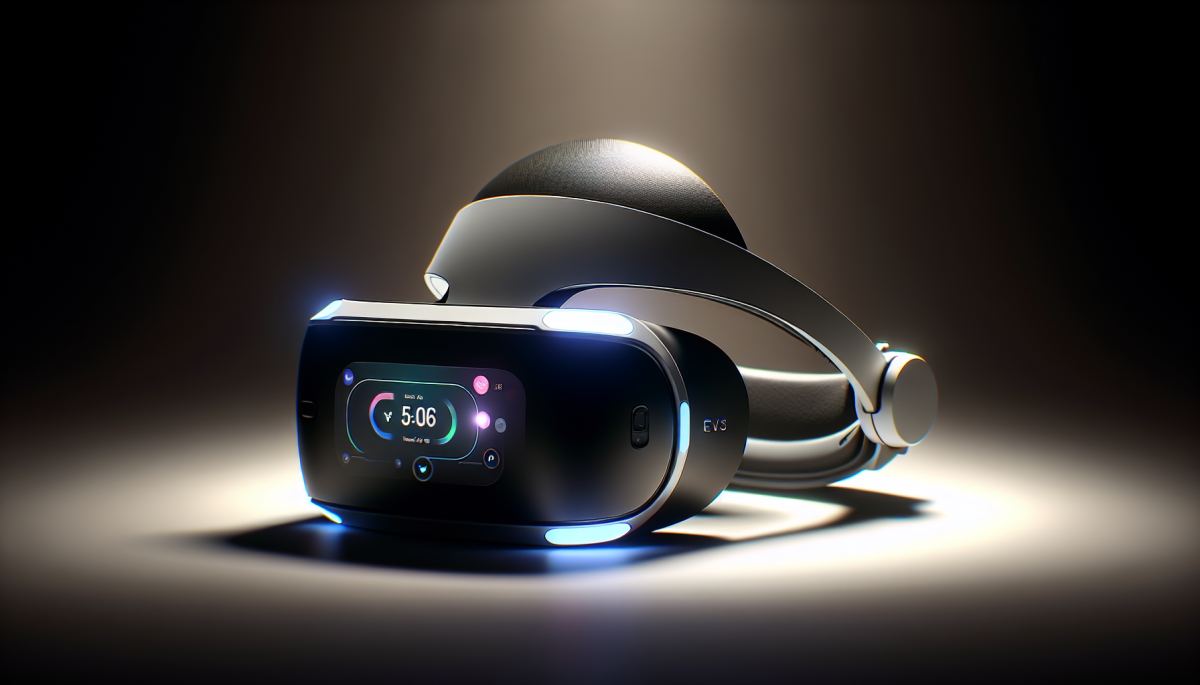
This did not happen in a vacuum. Apple has spent years cultivating a reputation for controlling its ecosystem with an iron grip, and the Vision Pro launched in early 2024 with a relatively thin library of dedicated spatial apps. Developers were cautious, the hardware was expensive, and the use cases felt abstract to most consumers. The headset sold modestly at best, with analysts at IDC estimating global AR and VR headset shipments declined in 2023 before a modest recovery, and premium devices like the Vision Pro faced the classic chicken-and-egg problem: not enough compelling software to justify the price, and not enough users to justify building the software.
Valve's move sidesteps that problem entirely. Rather than asking developers to rebuild their games for visionOS, Steam Link imports an existing library of thousands of titles into the headset's environment. It is a bridge strategy, and it is arguably smarter than waiting for a native ecosystem to mature. For Valve, the incentive is straightforward: Steam's value proposition is its library, and every new screen that can access that library is a potential extension of the platform's reach. The Vision Pro becomes, in effect, a very expensive Steam Machine that you wear on your face.
The second-order effects here are worth sitting with. If Steam Link on Vision Pro proves genuinely usable, it creates a compelling argument for the headset that Apple's own marketing has struggled to land. Apple has positioned the Vision Pro as a productivity and media device, a spatial computer rather than a gaming platform. But users are not always obedient to marketing categories. If word spreads that the headset can serve as an immersive PC gaming display, with a massive virtual screen and positional audio, that changes who considers buying one.
This also puts quiet pressure on Apple's own gaming ambitions. The company has made periodic gestures toward gaming, from Apple Arcade to porting initiatives that brought titles like Resident Evil Village to Mac hardware. But those efforts have never cohered into a serious gaming identity. Valve arriving with a native app and a library of tens of thousands of games underscores, without saying so directly, how far Apple's gaming ecosystem still lags. The Vision Pro could end up being remembered as the device that made PC gaming spatial before Apple figured out how to make Apple gaming spatial.
There is also a longer feedback loop to consider. As more productivity and entertainment use cases consolidate onto headsets, the distinction between a gaming device and a computing device becomes harder to maintain. Valve has always understood that Steam is not just a store but an operating layer for PC culture. Planting that layer inside Apple's most forward-looking hardware is a quiet but meaningful territorial move, one that could shape which platform conventions feel normal to the next generation of spatial computing users.
The headset wars are still in their earliest innings, and most consumers are watching from a distance. But the decisions being made right now about which apps run natively, which libraries transfer cleanly, and which ecosystems feel worth investing in will compound over time in ways that are difficult to reverse.
Discussion (0)
Be the first to comment.
Leave a comment