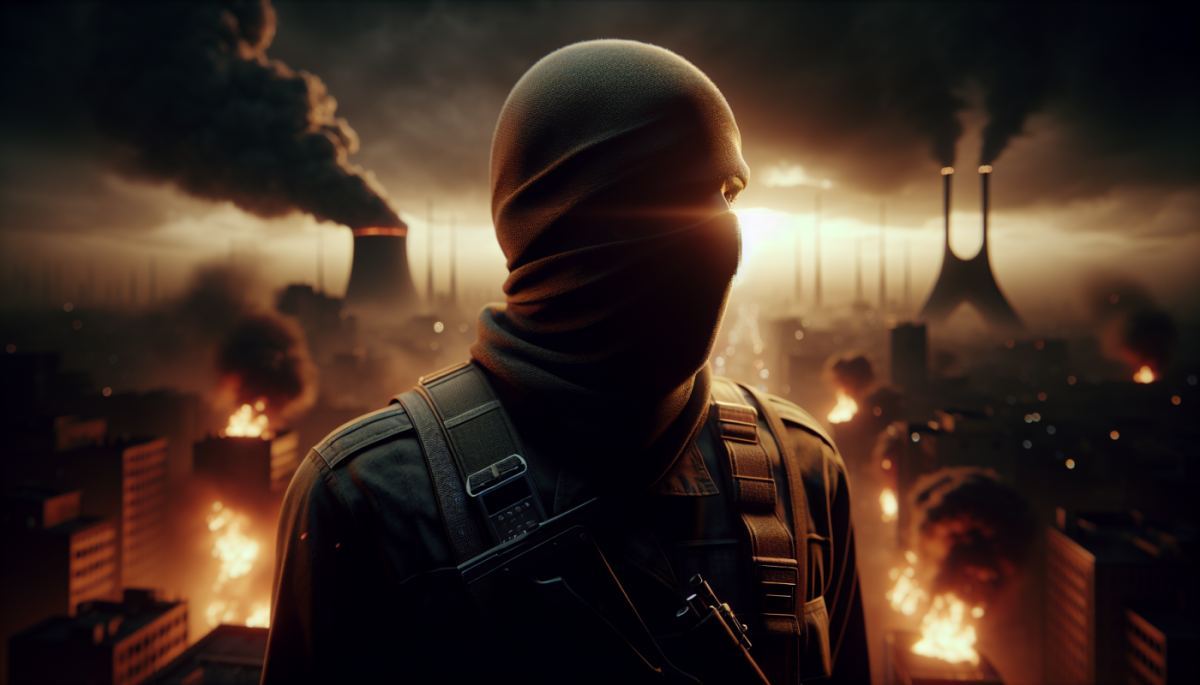
There is something almost unbearable about the timing. Nowruz, the Persian new year rooted in Zoroastrian tradition and celebrated by hundreds of millions of people across the broader Iranian world, is a festival of renewal, of haft-sin tables set with sprouting wheat and painted eggs, of families crowding into living rooms to watch the exact moment of the spring equinox tick over on television. It is, by almost any measure, the emotional and cultural heartbeat of Iranian life. This year, Tehran is preparing for it beneath the shadow of American and Israeli strikes.
The juxtaposition is not merely poetic. It is structurally significant. Nowruz carries enormous psychological weight in Iranian society precisely because it transcends politics. It predates Islam, predates the Islamic Republic, predates the revolution and the hostage crisis and every subsequent decade of confrontation with the West. When a government wants to signal normalcy, it leans on Nowruz. When a population wants to assert its identity apart from its rulers, it also leans on Nowruz. The festival is, in this sense, a kind of shared neutral ground. The fact that even that ground now feels unstable tells you something important about where Iran finds itself.
What is happening in Tehran right now is not simply a city bracing for bombs. It is a society navigating compounding stresses that have been building for years. Sanctions have hollowed out the middle class. The rial has lost staggering value. The protest movements that erupted after Mahsa Amini's death in 2022 were suppressed but never fully extinguished. And now, external military pressure from both Washington and Tel Aviv is landing on top of all of that accumulated internal strain.
The feedback loop here is worth examining carefully. Military strikes, even when aimed at specific infrastructure or military targets, tend to produce a rally-around-the-flag effect in the short term. Iranian state media will almost certainly frame the Nowruz period through a narrative of national resilience, using the festival's symbolism of rebirth to reinforce messaging about survival and resistance. The regime has done this before. During the Iran-Iraq war, cultural touchstones were weaponised to sustain morale through eight years of grinding attrition. The Islamic Republic knows how to fold national identity into political legitimacy when it needs to.
But that dynamic has limits, and those limits are being tested. A population that is already economically exhausted and politically alienated does not necessarily respond to external pressure by consolidating behind its government. In some historical cases, sustained external assault accelerates internal fracture rather than healing it. The question of which dynamic dominates in Iran right now is one that neither Western intelligence agencies nor Iranian reformists can answer with confidence.
The immediate practical reality for ordinary Tehranis is one of constrained choices. Many are reportedly staying home, avoiding large public gatherings, calculating risk in ways that would have been unthinkable during previous Nowruz seasons. The rituals of the holiday, the chaharshanbe suri fire-jumping festival on the eve of the last Wednesday before the new year, the Sizdah Bedar outdoor picnics on the thirteenth day, are communal by design. They require people to be outside, together, visible. That is precisely what feels dangerous right now.
The second-order consequence that deserves attention is cultural rather than military. If Nowruz celebrations are suppressed or hollowed out for even one or two cycles, the intergenerational transmission of those traditions weakens. Children who do not experience the full ritual of the holiday in formative years carry a thinner version of it forward. Diaspora communities in Los Angeles, Toronto, and Stockholm will celebrate with relative freedom this year, and that divergence, between an Iranian identity that can express itself openly outside Iran and one that is increasingly constrained inside it, will quietly deepen.
That is the kind of consequence that does not show up in military briefings or sanctions assessments. It accumulates slowly, reshaping what it means to be Iranian across generations, and it cannot be undone by any ceasefire or diplomatic agreement. The missiles will eventually stop. The interrupted spring is harder to recover.
Discussion (0)
Be the first to comment.
Leave a comment