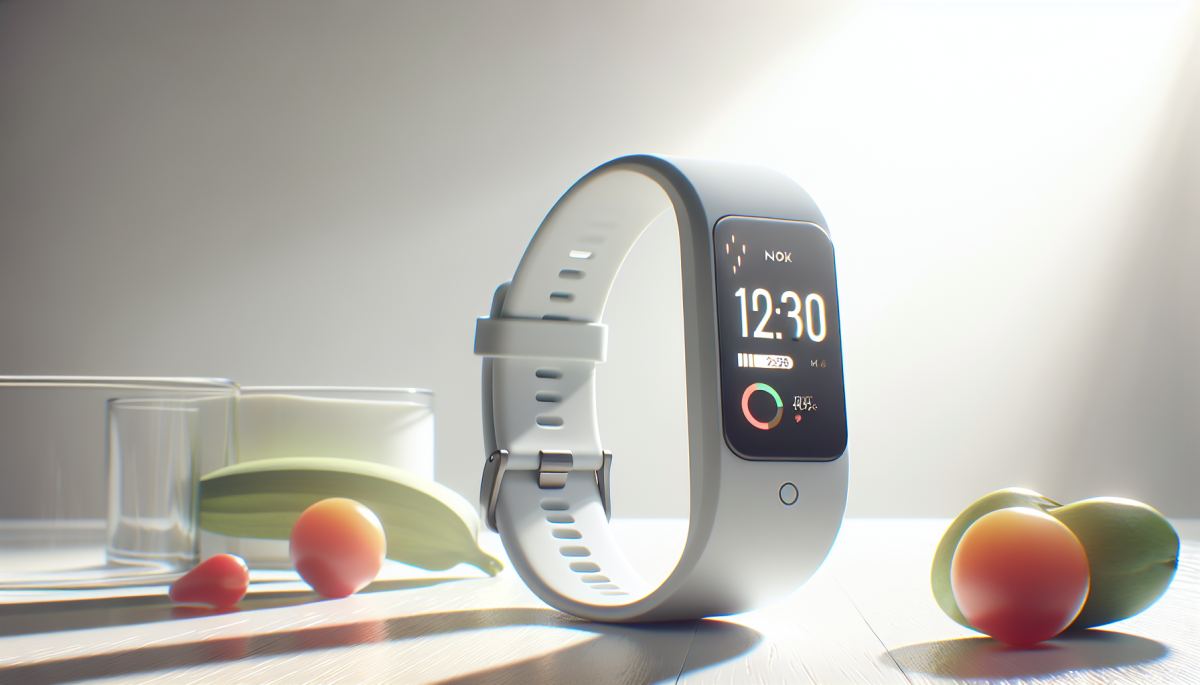
Will Ahmed founded Whoop in 2012 with a simple, almost monastic conviction: that recovery mattered as much as performance. For over a decade, the company built a devoted following among elite athletes, military operators, and obsessive fitness trackers who were willing to strap a screenless device to their wrist and surrender to its data. LeBron James wears one. So do Tour de France cyclists and NFL linemen. But Ahmed is no longer content with that audience, and the pivot he is now attempting is far more complicated than adding a new sensor.
Whoop is in a race — against Oura, against Apple, against the FDA, and against the fundamental limits of what consumer medicine can responsibly promise. The company wants to move from performance optimization for the elite to genuine health monitoring for everyone. That is a different product, a different regulatory environment, and a different kind of trust to earn.
The wearable health market has spent years dancing around a critical boundary. Devices can tell you your heart rate, your sleep stages, your respiratory rate. But the moment a company claims its product can detect or diagnose a medical condition, it steps into territory the FDA actively governs. Apple learned this when it pursued ECG and atrial fibrillation detection on the Apple Watch, a process that required formal clearance and years of clinical validation. Oura has navigated similar terrain carefully, partnering with researchers and framing its outputs as trends rather than diagnoses.
Whoop is now pushing in the same direction, and the pressure to do so is not just competitive. There is a genuine market signal here. Consumers, especially older ones who have watched a parent or spouse miss an early warning sign, are hungry for tools that feel medical without requiring a doctor's appointment. Ahmed has spoken publicly about wanting Whoop to function as something closer to a continuous health monitor, capable of flagging anomalies that might otherwise go unnoticed for months.
The problem is that the gap between a wellness insight and a clinically validated alert is enormous, and filling it requires not just engineering but evidence. Peer-reviewed studies, regulatory submissions, liability frameworks, and clinical partnerships all have to be built in parallel with the consumer product. That is expensive, slow, and structurally at odds with the speed of consumer tech cycles.
There is a systems-level consequence lurking beneath this story that almost no one in the wearable space is addressing directly. If Whoop, Oura, or Apple successfully democratizes continuous health monitoring at scale, the downstream effect on the healthcare system could be profound and not entirely positive in the short term.
Consider what happens when millions of people who are not elite athletes begin receiving daily alerts about their HRV, blood oxygen variability, or skin temperature trends. A meaningful percentage of those people will bring those readings to their primary care physicians, many of whom are already operating at capacity. The result is a potential flood of anxious patients presenting with data their doctors are not trained to interpret, generated by devices whose clinical accuracy varies considerably across populations, body types, and skin tones.
Researchers studying pulse oximetry bias have already documented how optical sensors can perform less accurately on darker skin, a problem that carries real clinical stakes if these devices are positioned as health tools for everyone. The equity dimension of mass-market health wearables is underexplored and underfunded.
At the same time, the long-term upside is real. Continuous passive monitoring has genuine potential to catch arrhythmias, flag early signs of infection, and track chronic disease progression in ways that episodic clinical visits simply cannot. The question is whether the industry can build the clinical infrastructure and the regulatory honesty to match the marketing ambition.
Ahmed has spent 14 years building toward this moment, and the consumer appetite is clearly there. But the version of Whoop that could one day sit on your mother's wrist and meaningfully extend her life is not the same product that sits on LeBron's. Building that bridge, with the rigor it demands, may be the defining challenge of the next decade in consumer health technology, and the companies that cut corners on the clinical side to win the market race may ultimately do more harm than the problem they set out to solve.
References
- Sjoding et al. (2020) — Racial Bias in Pulse Oximetry Measurement
- Perez et al. (2019) — Large-Scale Assessment of a Smartwatch to Identify Atrial Fibrillation
- FDA (2022) — Digital Health Center of Excellence: Software as a Medical Device
- Dunn et al. (2018) — Wearable Sensors Enable Personalized Predictions of Clinical Laboratory Measurements

Discussion (0)
Be the first to comment.
Leave a comment