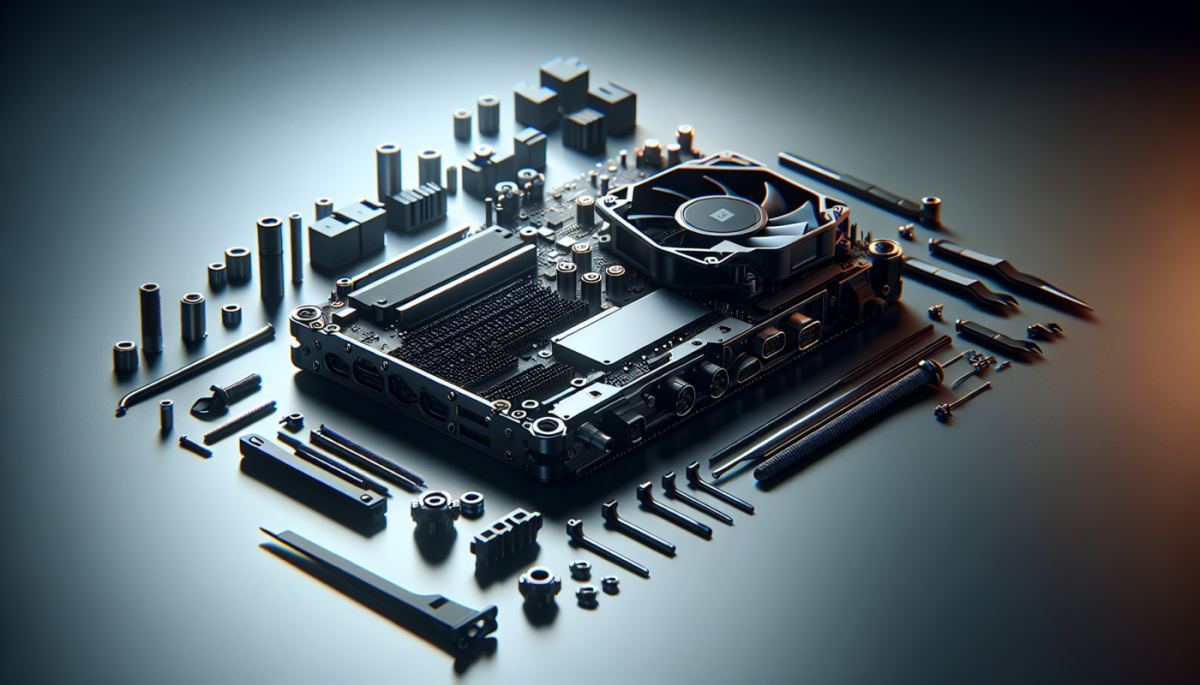
Nintendo didn't wake up one morning and decide to make its hardware more repairable. The company is being pushed there, and the distinction matters. According to a report from Nikkei, Nintendo plans to release a revised version of the Switch 2 for the European Union that will allow users to replace their own batteries. The current Switch 2 ships with a glued-in battery, a design choice that prioritizes thinness and manufacturing efficiency over longevity. The revision is being made to comply with EU regulations set to take effect in February 2027, which will require portable electronics to feature user-replaceable batteries.
This is not a story about Nintendo having a change of heart. It is a story about what happens when regulatory pressure becomes specific enough, and credible enough, to actually move a multinational hardware company off its preferred design path.
For years, consumer electronics manufacturers have leaned on adhesive, proprietary screws, and tightly integrated components to keep devices compact and, not incidentally, difficult to repair. The logic from a business perspective has been straightforward: a device that cannot be repaired at home is a device that either gets replaced or goes through an authorized service channel. Both outcomes tend to benefit the manufacturer. Nintendo, Apple, and Samsung have all faced criticism from right-to-repair advocates for designs that make battery replacement either technically difficult or practically impossible for the average user.
The EU's Battery Regulation, which passed in 2023, changes the calculus. The regulation mandates that by February 2027, portable batteries in consumer electronics must be removable and replaceable by the end user. The rule applies to products sold in the EU market, which means any company that wants access to hundreds of millions of European consumers has to comply. Nintendo, which sold tens of millions of Switch units globally, cannot afford to walk away from that market. So the glue has to go, at least for the European version.
What makes this moment particularly interesting from a systems perspective is the fragmentation it creates. Nintendo will now be engineering at least two versions of the Switch 2: one for the EU with a replaceable battery, and one for markets like the United States where no equivalent regulation exists. That kind of regulatory divergence has real costs. It complicates supply chains, increases manufacturing overhead, and creates a situation where consumers in one jurisdiction get a more repairable product simply because their government demanded it.
The more consequential dynamic here is not what Nintendo does in Europe. It is what happens next in the United States and elsewhere. When a major manufacturer is forced to demonstrate that a replaceable battery is technically feasible in a device like the Switch 2, it removes one of the core arguments against right-to-repair legislation in other markets: that it simply cannot be done without sacrificing the product.
Right-to-repair advocates in the U.S. have been pushing for federal legislation for years, with mixed results. Several states, including California and Minnesota, have passed their own repair laws, but nothing at the federal level has matched the EU's scope or specificity. The existence of an EU-compliant Switch 2 with a user-replaceable battery will become a reference point in those legislative debates. Lobbyists arguing that repair mandates are technically impractical will have a harder time making that case when a working example is sitting on store shelves in Berlin and Paris.
There is also a consumer expectation loop worth watching. Once European Switch 2 owners experience the ability to swap a battery without sending their device to a service center, that expectation travels. It travels through online communities, through YouTube repair videos, through the kind of cross-border product comparisons that the internet makes effortless. American consumers who learn that their European counterparts got a more repairable device for the same price tend to ask uncomfortable questions of both manufacturers and their elected representatives.
Nintendo may be making this change reluctantly, under regulatory duress, with every intention of keeping the glued-in design everywhere else. But the second-order effect of proving the design is possible may do more for global repairability than the regulation itself. The EU has, in effect, commissioned a proof of concept on behalf of repair advocates worldwide, and Nintendo is paying for it.
The real question is not whether other markets will eventually follow the EU's lead. It is whether the gap between the compliant version and the non-compliant version becomes too visible, and too embarrassing, for manufacturers to sustain.

Discussion (0)
Be the first to comment.
Leave a comment