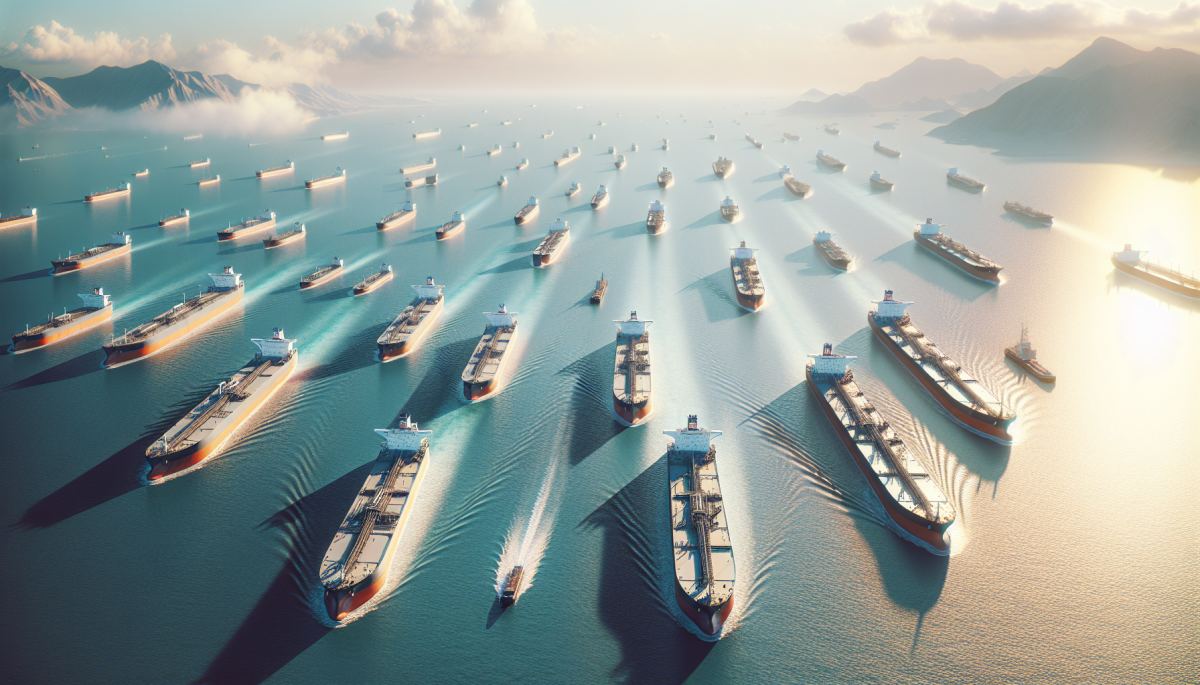
The Strait of Hormuz has always been a pressure point in global energy markets, but Iran's latest maneuver adds a layer of financial coercion that few analysts saw coming. Tehran is now demanding that tankers passing through the strait disclose their cargo contents so Iranian authorities can calculate a transit fee, payable in cryptocurrency. The move is equal parts economic desperation and geopolitical theater, but its downstream consequences for global shipping, sanctions architecture, and energy pricing could be far more serious than the headline suggests.
At its core, the demand is a toll scheme dressed in the language of sovereignty. Iran controls the northern coastline of the strait, through which roughly 20 percent of the world's traded oil passes every single day. By requiring cargo disclosure as a precondition for safe passage, Tehran is effectively inserting itself as a gatekeeper into one of the most critical chokepoints in the global economy. The cryptocurrency angle is not incidental. It is the mechanism by which Iran hopes to collect revenue while sidestepping the U.S. dollar-denominated financial system and the sanctions that have strangled its economy for years.
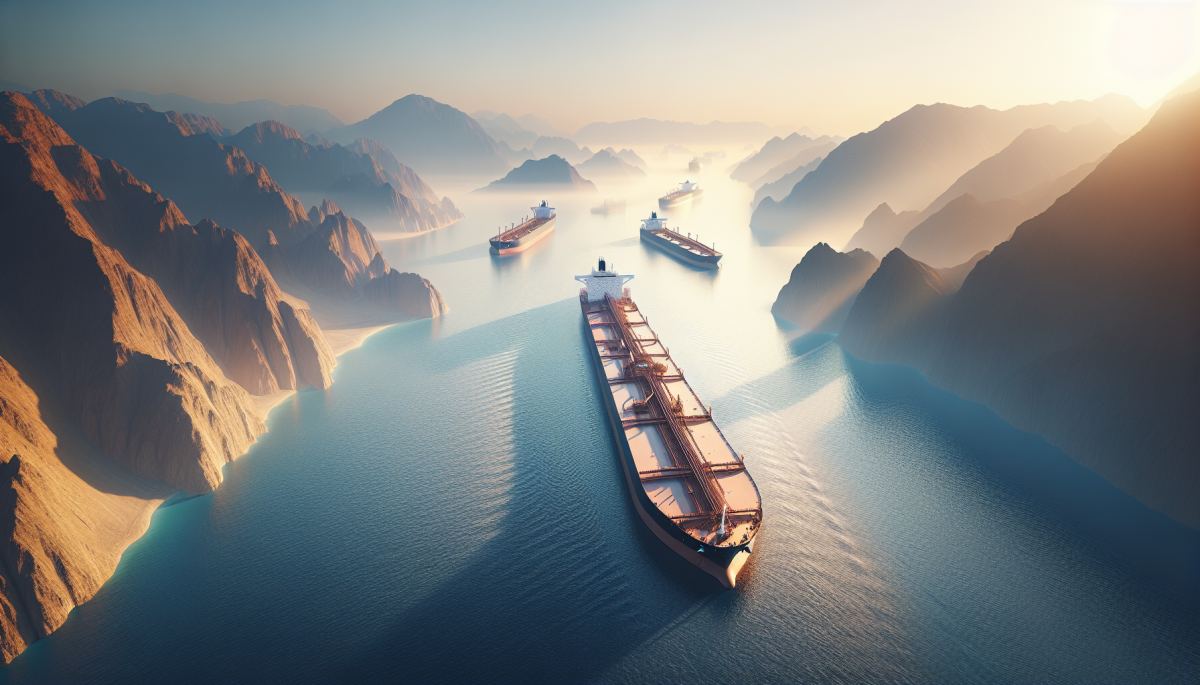
Iran has been under successive rounds of American sanctions since the 1979 revolution, with the most punishing rounds arriving after the Trump administration's 2018 withdrawal from the Joint Comprehensive Plan of Action. Those sanctions cut Iran off from SWIFT, the international banking messaging system, and made it extraordinarily difficult for Tehran to receive payments in conventional currencies. Cryptocurrency, particularly assets that offer some degree of transaction opacity, offers a workaround that is harder to intercept and easier to deny.
The cargo disclosure requirement may be the more consequential part of this policy, and it deserves more scrutiny than it has received. Shipping operators guard cargo manifests carefully, not just for commercial confidentiality reasons but because revealing what a vessel is carrying, to whom, and from where can expose charterers, cargo owners, and flag states to secondary sanctions risk. If a tanker carrying Iraqi crude or Qatari LNG is forced to disclose its manifest to Iranian authorities, that information could theoretically be used for intelligence gathering, leverage in regional negotiations, or to identify vessels that Iran might wish to detain, as it has done before.
Iran has a documented history of seizing tankers in the strait. Between 2019 and 2023, Iranian forces seized or briefly detained multiple vessels, often in apparent retaliation for Western pressure on Iranian oil exports. A formalized cargo disclosure regime would give Tehran a systematic information advantage it has never previously held over commercial shipping traffic.
For shipping companies, the calculus is brutal. Refusing to comply risks harassment or seizure. Complying risks sanctions exposure and the loss of insurance coverage, since most war risk and P&I insurers operate under frameworks that prohibit dealings with sanctioned entities. The International Maritime Organization has no enforcement mechanism that could realistically counter Iranian demands in real time, and the U.S. Fifth Fleet, based in Bahrain, cannot board every vessel to prevent a cargo declaration.
The second-order consequences here extend well beyond individual shipping decisions. If this toll regime becomes normalized, even partially, it sets a precedent that other states controlling strategic chokepoints might find attractive. Egypt controls the Suez Canal and already charges transit fees, but those are transparent, internationally recognized, and dollar-denominated. A cryptocurrency toll extracted under implicit threat of force is something categorically different. It is closer to privateering than port administration.
Energy markets will also absorb the uncertainty. Any credible threat to Hormuz transit raises the risk premium embedded in oil futures. Tanker insurance rates, which spiked dramatically during the 2019 Gulf of Oman incidents, would likely climb again if cargo seizures or detentions follow from non-compliance. Those costs do not stay at sea. They flow through to refinery input costs, fuel prices, and ultimately to consumers in Asia, Europe, and beyond, since the majority of Hormuz traffic is destined for Asian markets.
There is also a longer-term structural question about whether this accelerates investment in alternative routing. Saudi Arabia's East-West Pipeline, which can bypass Hormuz entirely, has spare capacity. The UAE's Habshan-Fujairah pipeline offers another bypass. If Iranian pressure on the strait intensifies, the economic case for expanding those alternatives strengthens considerably, which would over time reduce Iran's leverage, the very leverage it is now trying to monetize.
Tehran may be betting that the short-term revenue and the political signal are worth the long-term erosion of its own strategic asset.
References
- U.S. Energy Information Administration (2024) — The Strait of Hormuz is the world's most important oil transit chokepoint
- International Maritime Organization (2023) — Piracy and Armed Robbery Against Ships
- BBC News (2019) — Iran seizes British-flagged tanker Stena Impero in Strait of Hormuz
- U.S. Department of the Treasury (2018) — Treasury Sanctions Iran
Discussion (0)
Be the first to comment.
Leave a comment